


The U.S. Visa Bond Program: What You Need to Know
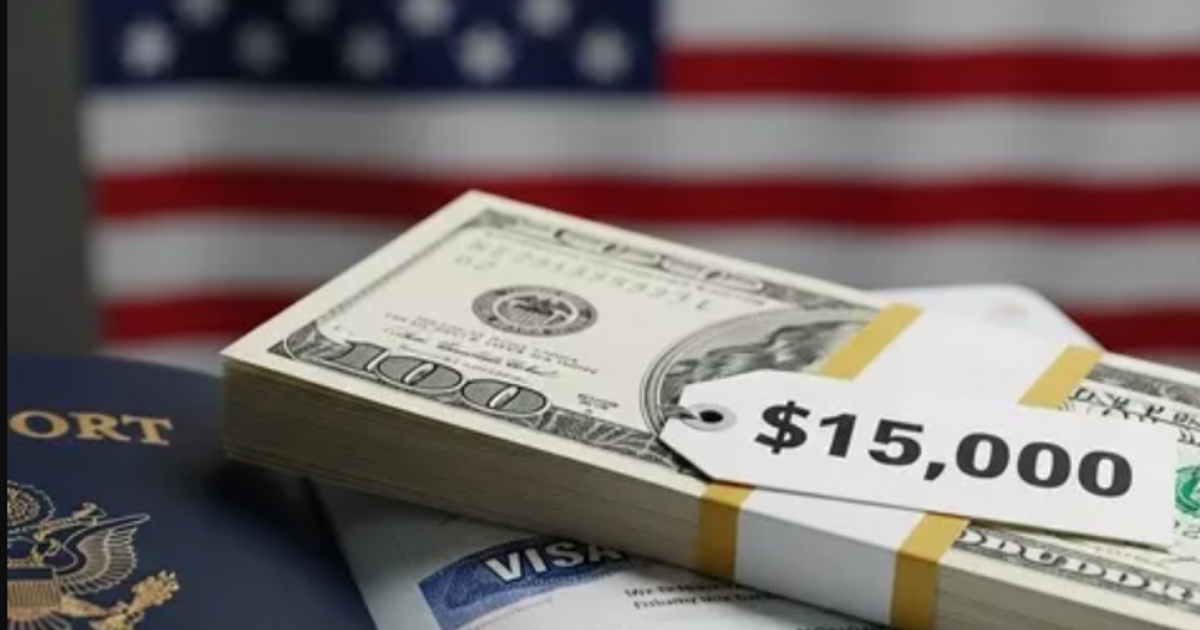
The United States has recently expanded its controversial visa bond program, now including The Gambia among countries whose nationals must pay a bond of up to $15,000 before receiving certain U.S. visas. This shift aims to deter visa overstays by making potential travelers think twice about their plans.
Latest Developments
The policy previously extended to Malawi and Zambia, with their bond requirements set to take effect on August 20, 2024. Gambian nationals will face this new financial prerequisite starting October 11, 2024. According to the U.S. Department of State, citizens or nationals traveling on passports from these countries must ensure they comply with this bond policy if they seek a B1/B2 visa.
Bond Amounts and Application Process
The bond amounts are tiered—applicants must post bonds of $5,000, $10,000, or $15,000, a decision made at the time of the visa interview. It’s crucial that applicants understand they must agree to the bond terms through the Department of the Treasury’s online platform, Pay.gov, and submit Form I-352 only when directed by a consular officer.
The State Department has emphasized that using third-party websites for bond payments can lead to non-refundable fees, cautioning that funds paid outside official channels will not be reimbursed. Importantly, paying the bond does not guarantee visa approval; any payments made without proper consular directions are not returned.
Designated Entry and Exit Ports
Visa holders required to post a bond are also restricted to entering and exiting the U.S. through three specified airports: Boston Logan International Airport (BOS), John F. Kennedy International Airport (JFK), and Washington Dulles International Airport (IAD). Compliance with this requirement is essential, as failure to do so may lead to denied entry or unrecorded departures.
Refund Policy
The bond is refundable if the visa holder abides by all stipulated conditions, such as departing the U.S. within their authorized stay, not traveling before the visa expires, or being denied entry at a U.S. port. The visa bond program aims to ensure that visitors complete their visits as intended, further adding to the complexity of the process.
Origins of the Visa Bond Program
The U.S. visa bond requirement officially took effect in August 2025, marking the start of a 12-month pilot program targeting select countries with high rates of visa overstays. Initially, Malawi and Zambia were the first nations designated to comply. Under this policy, only single-entry visas valid for three months are issued, allowing visits of up to 30 days.
While the concept of a visa bond dates back to 2020—when the Trump administration proposed it to deter visa overstays—its implementation has evolved, especially in light of global circumstances like the COVID-19 pandemic.
Implications for African Travelers
For citizens of The Gambia, Malawi, and Zambia, the bond policy imposes an additional financial burden on those wishing to travel to the U.S. for business or tourism. Although the bond is refundable if all conditions are met, the upfront cost may deter many potential travelers and complicate mobility between Africa and the United States.
This program reflects broader trends in U.S. immigration policy, where regulatory and financial measures are increasingly being employed. As the U.S. recalibrates its immigration framework, African nations continue to bear the brunt of these stringent measures.
Through such developments, the visa bond program illustrates the ongoing efforts by Washington to reshape its immigration system, emphasizing financial security and regulatory compliance as key components.
Understanding these intricate details is essential for anyone considering travel to the U.S. from these affected countries.