


Court Rulings and Political Tensions: A Close Look at the Oregon Case
Background of the Case
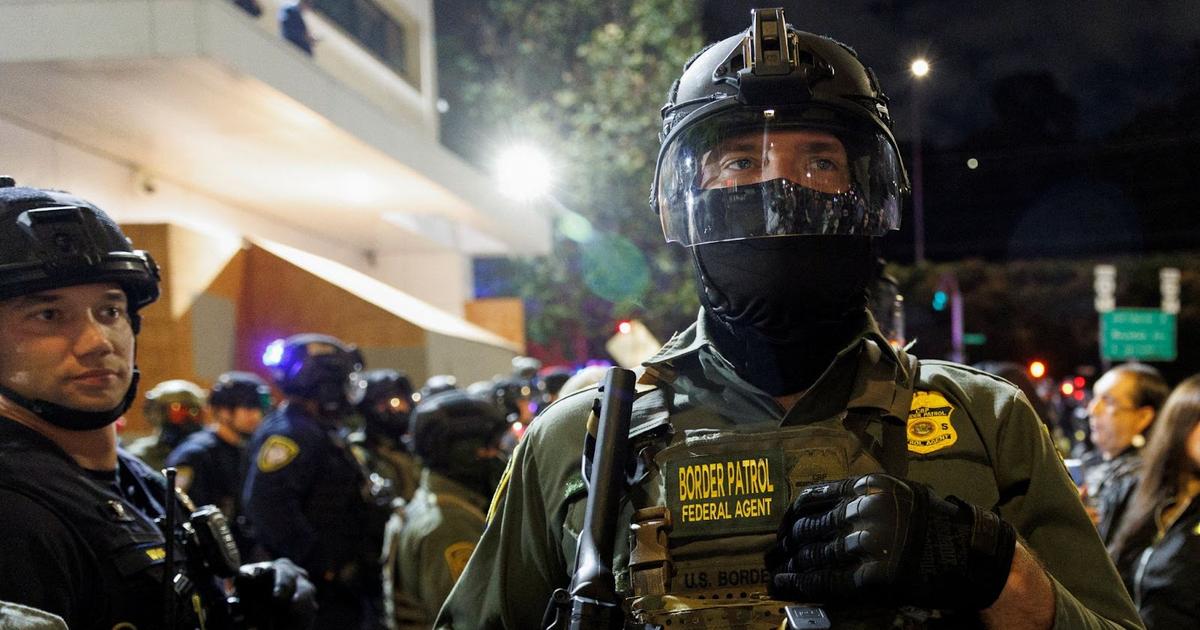
In a significant ruling, a U.S. judge issued a block on the deployment of military troops to Oregon, which has sparked intense discussions about the role of the judiciary in contemporary political affairs. This decision arrives at a pivotal moment in American politics, where the balance of power and authority is increasingly under scrutiny. The Trump administration has claimed that sending military forces into certain cities is vital to combat rising crime rates and lawlessness, particularly in areas governed by Democrat officials. However, many in these constituencies argue that such actions are overt attempts to target political adversaries under the guise of public safety.
The Political Landscape
The backdrop of this legal battle is a divided political environment where federal and state governments often clash. The deployment of troops to Democrat-led cities reflects broader tensions between state and federal authorities. Advocates of the administration argue that law enforcement practices must adapt to stabilize communities facing unrest. Conversely, opponents contend that military intervention politicizes public safety and endangers constitutional rights. Legal experts and activists have raised alarm bells, viewing the deployment as a potential overreach of presidential power.
The Role of the Courts
The recent ruling underscores an evolving role for courts in addressing political disputes. Judicial decisions are becoming pivotal in determining the extent to which the executive branch can assert its authority. With the judiciary acting as a check on presidential power, this moment serves as a reminder that legal interpretations can significantly influence the political landscape. Judges, tasked with interpreting laws impartially, find themselves at the center of fierce political debates, exacerbating the perception of politicized justice.
Broader Implications for Presidential Power
This incident coincides with the beginning of a new term for the Supreme Court, which is anticipated to delve into pressing questions regarding presidential powers. Analysts suggest that the upcoming cases could set crucial precedents affecting various facets of governance, from trade tariffs to immigration policy. The high court’s deliberations are expected to tackle whether the president can unilaterally impose tariffs or influence the workings of independent government agencies without legislative support.
The dynamic between this case in Oregon and the Supreme Court’s forthcoming agenda raises critical questions about accountability in governance and the limits of executive authority. These court cases could clarify how far the government can go in exercising power against states and their policies, particularly in a politically fraught environment.
Public Reaction and the Political Divide
Public reaction to the judge’s ruling has been polarized, echoing the broader national discourse. Supporters of the decision view it as a vital assertion of state rights against federal overreach, while critics, predominantly aligned with the administration, see it as a hindrance to essential law enforcement efforts. Demonstrations have been reported in various cities, with groups forming on both sides to express their views on military presence and public safety.
Democrats have seized upon this judicial decision as evidence of the administration’s failures in governance, asserting that relying on military force is not a sustainable or effective solution to public safety concerns. Meanwhile, Republican leaders argue that the courts are overstepping their bounds by inhibiting federal actions they believe are necessary to maintain order.
Conclusion: A Judiciary in the Spotlight
As the political landscape continues to evolve, the role of the judiciary has become increasingly critical in shaping events. The ruling to block troop deployment in Oregon is not merely a legal decision—it is a reflection of the larger ideological battles that define contemporary American politics. With the Supreme Court preparing to tackle high-stakes issues that address the very essence of presidential power, the relationship between state and federal authorities—alongside the implications for American democracy—will remain a contentious focal point for the foreseeable future.