


The Rising Tensions: A Potential Revived Trade War Between Beijing and Washington
The delicate dance of international trade between the U.S. and China has often been a high-stakes game, and as we move deeper into this year, we’re witnessing troubling signs that a trade war could reignite. Recent developments indicate that political and economic tensions are mounting, and the implications for Chinese stocks and the yuan could be profound.
Understanding the Current Landscape
In recent months, both Beijing and Washington have engaged in a series of actions and counteractions that suggest a deterioration in relations. From tariffs on goods to regulatory hurdles affecting technology companies, the specter of a trade war looms large. Investors, during this brief period of recovery in the Chinese stock market, have been optimistic, hoping for a stabilizing relationship. However, renewed tensions are casting a shadow over these gains and raising questions about the sustainability of this rally.
The Impact on Chinese Stocks
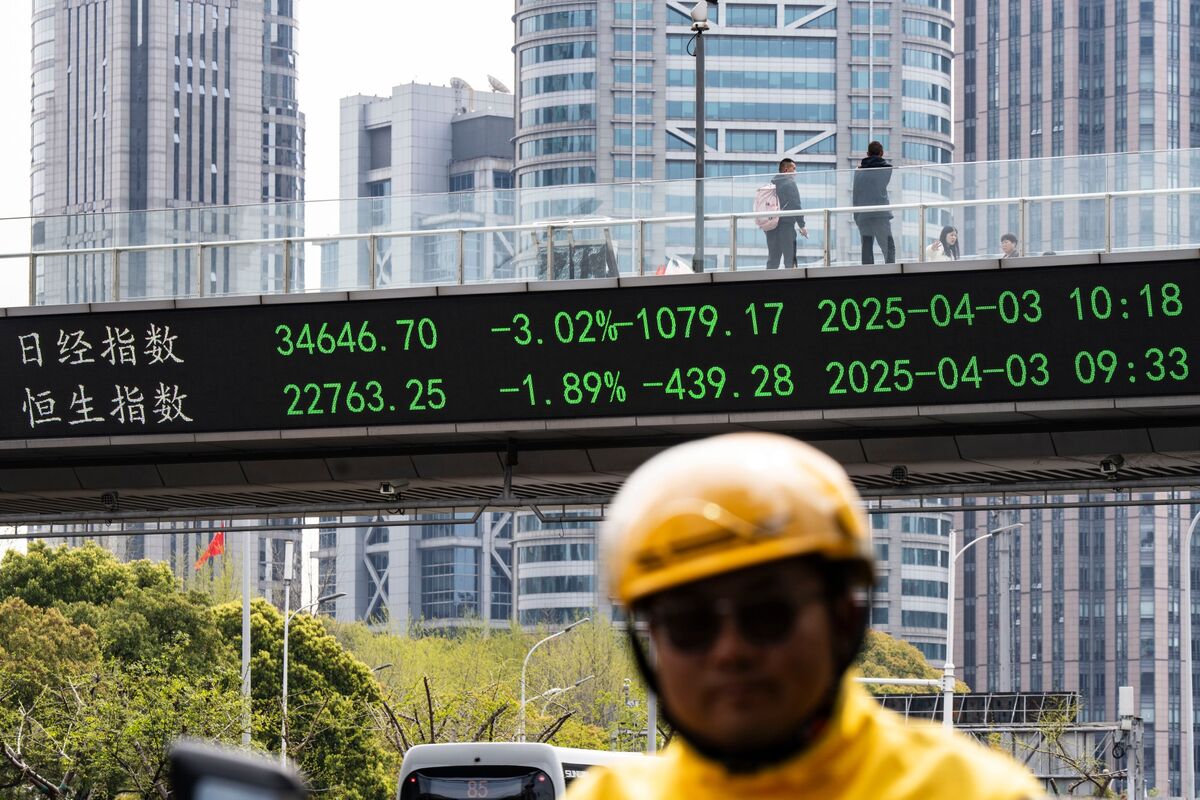
Chinese equities have enjoyed a remarkable rally, aided by a string of positive economic indicators and a global recovery from the pandemic’s depths. However, this rally now appears precarious. Market sentiment is fragile, with fears that a renewed trade war will reverse gains and result in significant losses for investors. Chinese companies, particularly those in technology and manufacturing, are poised to feel the brunt of renewed tariffs and sanctions, which could squeeze profit margins and slow down growth.
The Yuan Under Pressure
A potential trade war could also have dire consequences for the value of the yuan. As tensions escalate, investors may seek safety in U.S. dollars, leading to depreciation of the Chinese currency. The yuan’s stability is critical for China’s export-driven economy, as a weaker currency could make Chinese goods cheaper abroad but also increase the cost of imports, exacerbating inflationary pressures at home. This cycle of currency fluctuation can lead to instability, which complicates economic planning for businesses and consumers alike.
Geopolitical Factors at Play
The roots of the potential trade conflict aren’t just economic; they are deeply intertwined with geopolitical considerations. Issues such as human rights, military presence in sensitive regions, and technological supremacy are all fueling the flames of discord between the two powers. In this context, trade becomes not just a matter of economics but a tool of foreign policy, where decisions are made not purely on financial grounds but also in response to broader strategic goals.
The Response from Stakeholders
In light of these developments, various stakeholders are reacting differently. Investors are adopting a cautious approach, looking to hedge their bets as uncertainty clouds the market. On the other hand, policymakers in both nations are navigating a complex web of domestic and international pressures. In China, the government may respond with stimulus measures to stabilize the economy and bolster the stock markets, while in the U.S., lawmakers may push for tougher stances to assert American economic interests.
Trade Agreements on the Horizon?
Despite the rising tensions, there are murmurs of potential negotiations aimed at de-escalating the conflict. Trade agreements have historically served as a means to alleviate tensions and foster cooperation. However, the path forward is fraught with challenges, as both nations grapple with domestic pressures and international scrutiny. The willingness to compromise may be tested as each side weighs its priorities against the backdrop of a global economy still recovering from the impacts of the pandemic.
Investor Sentiment and Market Predictions
As this complex scenario unfolds, investor sentiment is decidedly mixed. Some view the current tension as an opportunity to buy into undervalued Chinese stocks, anticipating that a resolution could lead to a rebound. Others, however, are bracing for potential downturns, reflecting a broader uncertainty about the future. Market analysts are closely monitoring developments, with predictions varying widely based on possible outcomes of the trade relationship.
The Road Ahead
The landscape of U.S.-China relations is unpredictable, and with each new development, the stakes continue to rise. Whether or not a full-blown trade war materializes, the implications for Chinese stocks and the yuan are undeniable. As companies and consumers brace for possible economic repercussions, the global economy watches closely, aware that the consequences of this evolving situation will ripple far beyond the borders of China and the United States.
Navigating these turbulent waters will require careful consideration from all parties involved, and the coming months will be critical in defining the future of this complex relationship.