


India’s Ambitious Nuclear Power Goals: An Investment Overview
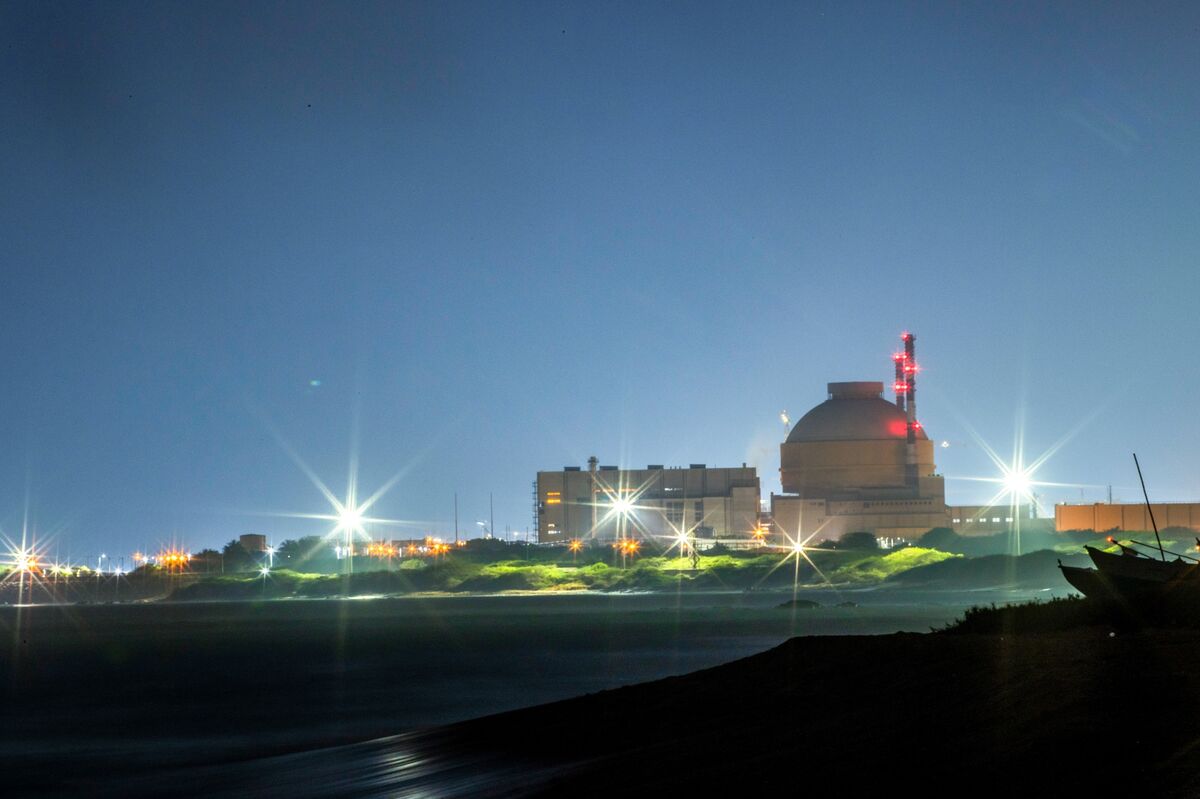
India is setting its sights on a significant energy transformation, with a target to install 100 gigawatts (GW) of nuclear power capacity by 2047. According to a recent report from a panel established by the power ministry, achieving this ambitious goal will require an eye-popping investment of nearly 19.3 trillion rupees, equivalent to about $217 billion. This initiative is not merely a reaction to growing energy demands but rather a strategic move towards a more sustainable and diversified energy portfolio.
The Importance of Nuclear Energy for India
As one of the largest and fastest-growing economies in the world, India faces a formidable challenge in meeting its burgeoning energy demands. The country’s reliance on fossil fuels has been a major environmental concern, contributing to air pollution and climate change. Nuclear energy presents a low-carbon alternative, capable of generating substantial electricity without the greenhouse gas emissions associated with coal and gas.
In line with its commitments under the Paris Agreement, India aims to reduce its carbon intensity by 33 to 35 percent from 2005 levels by 2030. Expanding nuclear power capacity is crucial for achieving these targets. By enhancing the share of nuclear energy in its energy mix, India can not only secure a stable power supply but also make significant strides in its journey towards a greener future.
Breakdown of Required Investments
The 19.3 trillion rupee investment is daunting, yet it underscores the scale of India’s nuclear ambitions. The funds will be used for various aspects of nuclear energy development, including research, construction of plants, and workforce training.
-
Research and Development: An important portion of the investment will be allocated to R&D to ensure safety, efficiency, and innovation within India’s nuclear facilities. This is essential for building public trust and operational reliability.
-
Plant Construction: A significant amount will be directed toward the construction of new nuclear power plants. India currently operates several nuclear facilities, but expanding this network will require substantial infrastructure investments.
-
Training and Workforce Development: As the nuclear sector grows, so will the need for a highly skilled workforce. Investments in training and education programs will be vital to build a pool of experts who can safely operate and maintain these complex systems.
Challenges Ahead
While the potential benefits of this nuclear expansion are considerable, several challenges lurk on the horizon.
-
Public Perception and Safety Concerns: One of the most significant hurdles is public perception. Following high-profile incidents like the Fukushima disaster in Japan, public anxiety about nuclear safety remains high. Gaining community support through transparent communication and stringent safety measures will be crucial.
-
Regulatory Framework: Navigating the regulatory landscape is another challenge. India’s nuclear policy will need to evolve to attract the necessary investment while ensuring safety and compliance with international standards.
-
Funding Sources: Securing the capital required for this ambitious project is paramount. This may involve a mix of domestic and international funding sources, but attracting private investments can be challenging without clear incentives and regulations.
Strategic Collaborations
To bolster its nuclear ambitions, India may look to seek collaborative partnerships with other nations that possess advanced nuclear technologies. Countries like the United States, France, and Russia could play pivotal roles in providing technology transfer, expertise, and even financial assistance. Such collaborations can not only accelerate the technological advancement of India’s nuclear sector but also help in building international credibility.
The Broader Energy Landscape
The push for nuclear power is occurring alongside the simultaneous development of renewable energy sources such as solar and wind. In fact, India is rapidly expanding its renewable energy capacity, aiming for 500 GW of non-fossil fuel energy by 2030. The integration of nuclear power with renewables could provide a balanced approach to stabilize the grid and ensure a consistent energy supply.
Conclusion: An Era of Energy Transformation
While significant hurdles must be overcome, India’s ambitious plan to invest in nuclear power represents a bold step toward energy independence and environmental responsibility. As the nation seeks to balance its rapid economic growth with pressing environmental concerns, the dual focus on nuclear and renewable energy could pave the way for a more sustainable future.
This investment plan not only targets energy goals but also exemplifies India’s commitment to becoming a global leader in addressing climate change while meeting the needs of its expanding population. The road ahead is not without its challenges, but with substantial investment and strategic planning, India’s nuclear dream could soon become a reality.