


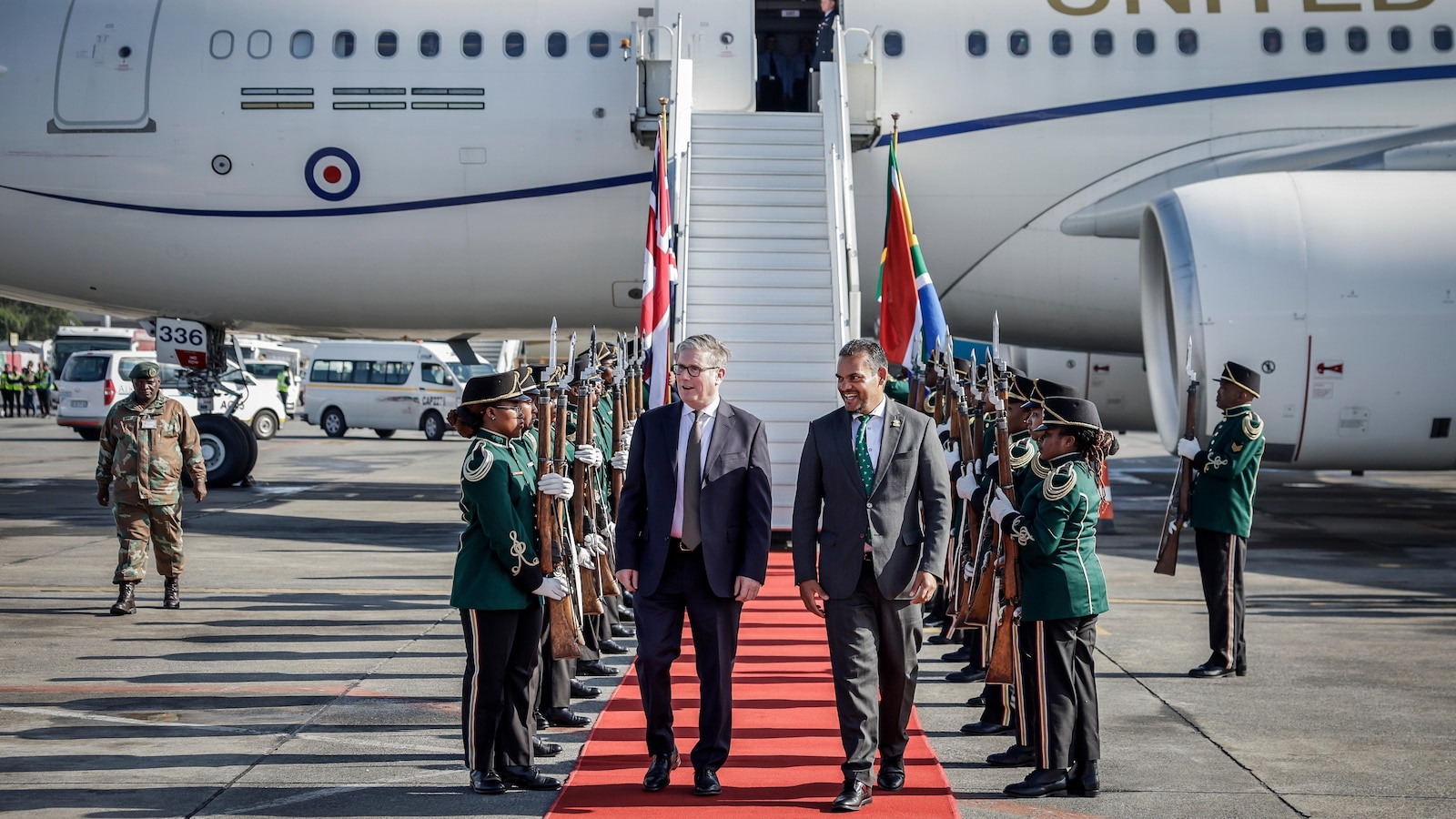
Historic G20 Summit in Johannesburg: A Shift in Global Dialogue
Introduction to the Summit
World leaders gathered in Johannesburg for a landmark Group of 20 (G20) summit, marking the first time the prestigious meeting has been held on African soil. The summit aims to place the pressing issues faced by developing nations at the forefront of global conversations. However, tensions mar the event due to a boycott by the United States, which has raised eyebrows and concerns over the effectiveness of the discussions.
The U.S. Boycott and Its Implications
The absence of the U.S., the world’s largest economy, looms large over the summit. President Donald Trump ordered the boycott, citing allegations that South Africa persecutes its white Afrikaner minority. This decision has sparked widespread criticism, labeling the boycott as a “disgrace” and creating friction between the U.S. and South African officials.
South Africa’s Agenda
Despite the setback from the U.S. boycott, South Africa remains resolute in its mission to address critical issues impacting developing nations. South African President Cyril Ramaphosa highlighted concerns over climate change, escalating debt burdens, and growing global inequality. The summit serves as a platform for these discussions, but oppositional forces risk derailing South Africa’s agenda.
The Dynamics of Global Leadership
Diplomatic relations have soured as South Africa alleged that the U.S. is pressuring it not to issue a leaders’ declaration without its delegation. Ramaphosa’s firm stance against this interference illustrates a pivotal moment for African leadership. He declared, “We will not be bullied. We will not agree to be bullied,” emphasizing the nation’s determination to champion its own narrative.
The Importance of Leaders’ Declarations
Traditionally, a leaders’ declaration concludes G20 summits, documenting any consensus reached among participating nations. Though binding agreements may not be the norm, the declaration symbolizes collective commitment. However, divergent priorities among G20 members—particularly among economic giants like the U.S., China, and India—often complicate the process.
A Platform for Diverse Voices
The G20, now comprising 21 members including the European Union and African Union, plays a crucial role in bridging the gap between wealthy and developing nations. This year, the summit is even more significant, with global leaders, including U.N. Secretary-General António Guterres, participated to share insights and foster collaboration.
The U.S. Withdrawal from Multilateral Engagement
Trump’s absence underscores a broader trend of skepticism toward multinational agreements. His administration’s prior exits from significant pacts, such as the Paris Climate Agreement and the World Health Organization, reflect a challenging period for global diplomacy. On the other hand, other nations express eagerness to collaborate and forge new relationships.
Trade Relationships and Economic Opportunities
Despite the U.S. boycott, leaders from various countries, including Germany and the U.K., have arrived with initiatives aimed at enhancing trade with South Africa. German Chancellor Friedrich Merz emphasized the necessity of partnerships, while British Prime Minister Keir Starmer announced a rail development agreement to assist South Africa.
The Context of Global Trade Dynamics
With the G20 representing about 85% of the world’s economy, the summit presents vast opportunities for trade discussions. Australia’s Prime Minister Anthony Albanese noted that a significant portion of jobs in Australia revolves around partnerships within the G20 framework, illustrating the summit’s potential global impact.
The Role of China and Russia
In the backdrop of the U.S. absence, China and Russia still maintain representation at the summit. Chinese Premier Li Qiang seized the opportunity to expand China’s influence in Africa, signing substantial agreements that further bolster trade relations. The continuing involvement of these nations raises questions about the shifting dynamics of power within global governance.
Reactions from the South African Leadership
President Ramaphosa’s remarks regarding the boycott clearly signal that South Africa is poised to take leadership in shaping the discourse at this summit. His statement, “Their absence is their loss,” resonates with a sense of pride and independence that reflects a broader narrative of African agency on the world stage.
Conclusion
As the envelopes of traditional diplomacy are pushed, the Johannesburg G20 summit stands as a testament to the evolving relationships among nations, especially between developing and developed economies. The ongoing discussions, shaped by the dynamics of participation and absence, signal a transitional phase in global governance, one where Africa strives to share its concerns and priorities in a world that often overlooks them.