


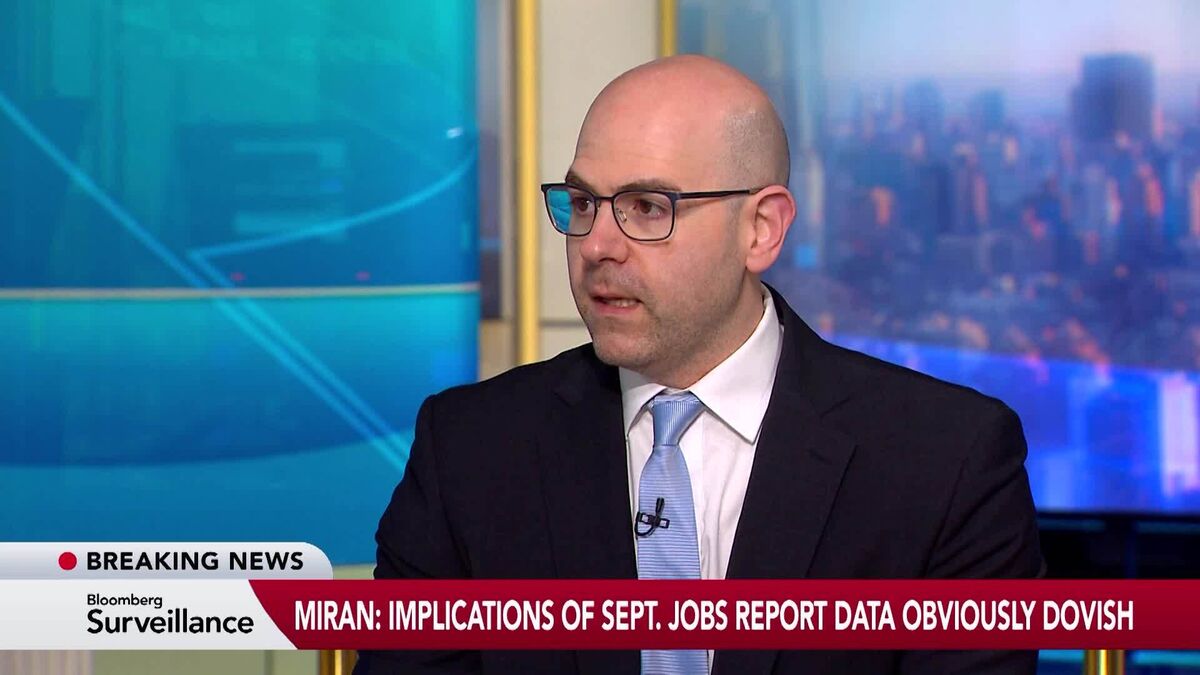
Understanding the Dovish Perspective: Federal Reserve Governor Stephen Miran’s Insights
In recent discussions surrounding U.S. monetary policy, Federal Reserve Governor Stephen Miran has made headlines with his remarks about the implications of the latest economic data. In an interview on “Bloomberg Surveillance,” Miran asserted that the current economic indicators should lead policymakers toward a more dovish stance. But what exactly does this mean, and why is it significant?
The Dovish Shift Explained
A “dovish” approach in monetary policy typically implies a preference for lower interest rates and a more accommodative stance toward economic growth. When Federal Reserve officials, like Miran, advocate for such a direction, they highlight a belief that the economy can benefit from less restrictive monetary conditions. This is particularly relevant in an environment where inflationary pressures are perceived as manageable, allowing for more flexibility in interest rates.
Context of Current Economic Data
Miran’s comments come at a time when numerous economic indicators show signs of stabilization. Recent reports have suggested that inflation, while still above target levels, is no longer surging at the alarming rates seen in previous years. Factors contributing to this outlook include easing supply chain disruptions and declining energy prices, both of which have historically been significant drivers of inflation. As inflationary pressures begin to wane, a dovish pivot may become more plausible.
Impact on Federal Reserve Policy
If the Federal Reserve were to adopt a dovish approach, it could lead to a series of implications for both consumers and businesses. Lower interest rates typically translate to more accessible loans for consumers looking to buy homes, cars, or even finance their education. For businesses, reduced borrowing costs can spur investment in expansion, hiring, and innovation.
Balancing Act: Risks and Opportunities
While advocating for a more dovish policy, Miran and his colleagues must also weigh the potential risks associated with such a shift. Historically, overly accommodating policies can lead to overheating, where economic growth may outpace sustainable levels, leading to a resurgence of inflation. Policymakers are tasked with navigating this balance, ensuring that the economy grows without risking renewed inflationary pressures.
The Road Ahead for the Federal Reserve
Moving forward, how the Federal Reserve responds to this perceived need for a dovish stance will be closely watched. Markets often react to such cues, and stakeholders from various sectors will be on the lookout for any signals or decisions made in upcoming Federal Open Market Committee (FOMC) meetings. The conversation surrounding interest rates, inflation, and economic growth will undoubtedly remain a focal point in the months to come, influencing both national and global economic landscapes.
Conclusion: A Watchful Eye on Inflation
As Stephen Miran articulates his insights on the Federal Reserve’s potential policy direction, it underscores the essential ongoing dialogue about economic stability and growth. With a shifting focus toward managing inflation and fostering growth, stakeholders must remain informed and engaged as this narrative unfolds. The delicate dance of monetary policy will continue to shape the economic trajectory in the United States, making the need for careful analysis and adaptation as important as ever.