


U.S. Coast Guard Updates Policy on Hate Symbols
The U.S. Coast Guard is poised to revise its language and policies concerning the display of hate symbols, such as swastikas and nooses, as well as the reporting of hate incidents within its ranks. This significant update signals a shift in how the Coast Guard addresses these historically loaded symbols, reflecting broader tensions in military and societal contexts.
Historical Context of Hate Symbols
In a message back in 2020, former Commandant Karl Schultz labeled symbols like swastikas and nooses as “widely identified with oppression or hatred.” The directive emphasized that displaying such symbols constituted a “potential hate incident.” Fast forward to the present, and the latest policy, which is set to take effect on December 15, reframes these symbols as “potentially divisive.” This change in terminology raises questions about the Coast Guard’s commitment to combating hate.
Prohibition of the Confederate Flag
While the recent policy update maintains a long-standing prohibition against publicly displaying the Confederate flag—with certain exceptions for educational contexts—it notably does not place an outright ban on other “potentially divisive” symbols. This allowance has sparked concern among lawmakers, particularly regarding its implications for inclusion and safety within the ranks.
Legislative Pushback
Democratic Senator Jacky Rosen from Nevada has voiced her discontent with the revised policy, arguing that it undermines protections against bigotry. She noted that allowing symbols like swastikas and nooses to be displayed sends the wrong message and could threaten the safety of Coast Guard personnel amid rising antisemitism in the U.S. and globally.
Commandant’s Assurance
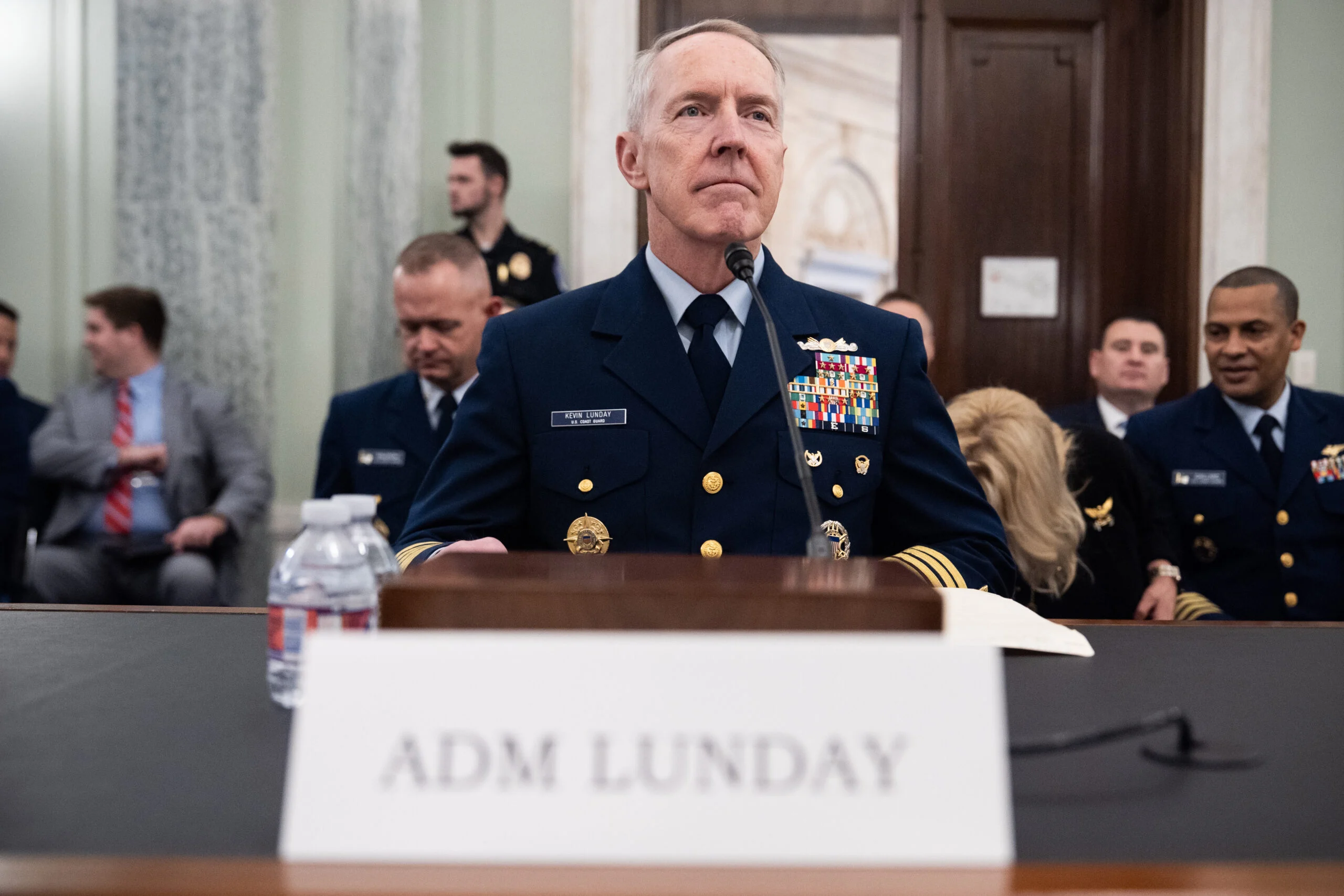
In response to concerns, Acting Commandant Admiral Kevin Lunday stated that the policy does not roll back any existing prohibitions against hate symbols. He reaffirmed that any display or promotion of such symbols would be thoroughly investigated and could lead to severe consequences. This assertion aims to reassure both service members and the public that the Coast Guard remains committed to upholding a respectful and safe environment.
Shift in Terminology and Reporting
A notable aspect of the new policy is the removal of the term “hate incident.” Previously, incidents would be categorized as potential hate incidents; however, the updated framework will now treat similar occurrences as reports of harassment, specifically in cases involving identifiable victims. This shift raises concerns about the adequacy of responses to actual incidents of hate.
Command Discretion on Symbols
According to the revised policy, commanders have the authority, in consultation with legal advisors, to order the removal of potentially divisive symbols if they are deemed to negatively impact unit morale or discipline. This discretionary power aims to empower leadership to maintain a healthy environment while navigating the complex landscape of personal beliefs and unit cohesion.
Alignment with Broader Military Policies
The Coast Guard, while part of the Department of Homeland Security, is also classified as one of America’s armed forces. The recent policy changes were partially designed to align with similar directives from the Pentagon. Historically, the Coast Guard has modeled many of its human resources policies on other military services, showcasing its integration into the broader military framework.
Ongoing Reviews and Military Culture
This policy update emerged less than two months after Defense Secretary Pete Hegseth ordered a comprehensive review of definitions related to hazing, bullying, and harassment within the military. Hegseth has argued that existing policies were excessively broad and could undermine mission integrity and organizational trust. The implications of this review may extend beyond the Coast Guard, prompting similar changes in other branches of the military.
Conclusion
As the U.S. Coast Guard navigates the complexities of addressing hate symbols and ensuring a cohesive unit, these policy changes underscore ongoing tensions around free expression, inclusion, and the need for a safe working environment. The path forward seems uncertain, but conversations around these updates will undoubtedly continue, reflecting the broader societal challenges regarding hate and divisive symbols.