


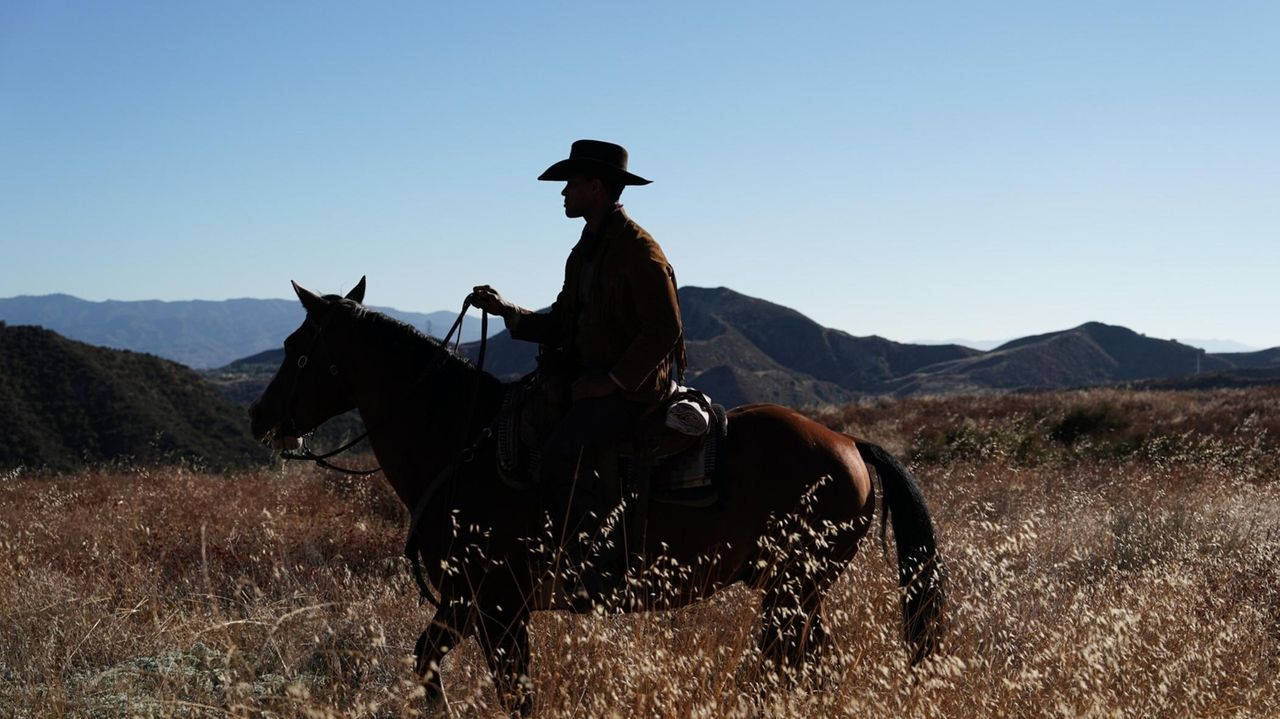
The Legacy of the Black Cowboy: A Rich History Unveiled
The Connection Between Hip-Hop and Cowboy Culture
Texas-bred hip-hop duo UGK, comprised of Bun B and the late Pimp C, has expertly woven elements of their Southern roots into their music for decades. In the fan-favorite music video for “Wood Wheel,” they confidently gaze into the camera from atop stallions, harmonizing tales of big-city hustling with the charm of Texas cowboy culture. Bun B articulates a crucial point, emphasizing that the integration of Black culture into American cowboy life is not a recent phenomenon: “This is not Black people trying to assimilate with this country Western lifestyle. Black people across this country have been prevalent in this space for years.”
Their music, rich with stories and cultural references, illustrates how pivotal figures in Southern hip-hop have helped shape the genre into its present stature as a dominant force in mainstream rap.
A New Focus: “High Horse: The Black Cowboy”
Bun B is also an ambassador for the Houston Livestock Show and Rodeo, where he made history as the first and only Black male hip-hop headliner. His insights are further captured in the compelling new docuseries “High Horse: The Black Cowboy,” executive produced by Jordan Peele’s Monkeypaw Productions. This three-part series dives into the often-overlooked narratives of Black cowboys, who played a vital role in shaping American history and culture.
The series aims to challenge deeply entrenched misconceptions surrounding cowboys by tracing the roots of the term “cowboy,” which originally carried a racial connotation. According to historian Bruce Glasrud, one in four cowboys were Black, even as they represented a minority in the population during the late 19th century.
Understanding Erasure in History
As Bun B elaborates, “It’s really energized me to try to fill this void of confusion where people have a distorted view.” The series, directed by Jason Perez and now streaming on Peacock, serves as a cultural corrective, helping audiences understand the erasure of Black contributions to cowboy culture. Alongside Bun B, various cultural figures, such as Glynn Turman and Pam Grier, lend their voices to the docuseries, sharing their own relationships with cowboy culture.
Keisha Senter, senior vice president of culture and impact at Monkeypaw, emphasizes the importance of exploring this erasure: “At Monkeypaw, we think erasure is a horror story.” By examining archival footage and photos, the documentary reveals not only the vibrant lives of early Black cowboys but also highlights ongoing struggles that exist within their communities today.
Systemic Racism and Land Ownership
The docuseries also tackles systemic racism and its impact on Black citizens, particularly regarding land ownership issues that trace back to the post-slavery Reconstruction era. Bun B, along with other featured personalities, reflects on the deep-seated prejudices that have lingered over generations, creating persistent barriers to land ownership and opportunities for Black Americans.
The conversations around these injustices provide a timely backdrop; in light of current political climates, many find it imperative to address these historical grievances. As Turman puts it, “This is a survival tool that we’ve been handed with this documentary,” emphasizing the urgency and relevance of their narratives.
The Cultural Impact of Cowboy Stories
“High Horse” doesn’t just focus on history; it illuminates the contemporary relevance of Black cowboy culture. The docuseries encapsulates how these communities have not only survived but thrived, despite ongoing challenges. By showcasing their stories and contributions, the series also serves as a reminder of the rich tapestry that makes up American culture.
The representation and contributions of African Americans in the cowboy lifestyle transcend mere entertainment; they resonate at a historical and cultural level that reflects the broader societal narrative. With appearances by influential figures like Rick Ross and R&B legend Raphael Saadiq contributing the series’ score, the docuseries is both a celebration and a reclamation of history.
Ownership and Gatekeeping of Cowboy Culture
As recent discussions surrounding ownership of cowboy culture have intensified, the docuseries also wades into this complex conversation. The rise of Black artists in mainstream country music—exemplified by Beyoncé’s captivating works and Lil Nas X’s groundbreaking hit “Old Town Road”—has reignited questions about cultural appropriation and representation.
Bun B underscores that the core of “High Horse” lies in an exploration of this frequently ignored aspect of history. “It’s not a Black story—this is an American story,” he asserts, aiming to provide a more holistic understanding of the cowboy archetype that reshapes conventional wisdom and historical context for all audiences.
Challenging Preconceptions
This exploration of the Black cowboy challenges long-standing preconceptions while enriching the narrative of American Western culture. As such, it is more than just a documentary; it represents a significant step towards rectifying historical inaccuracies and fostering greater appreciation for a nuanced and diverse American heritage.
Ben B’s reflections, combined with powerful visuals and storytelling, present an engaging discourse on a subject that deserves renewed attention and understanding. As audiences absorb these narratives, they are invited to rethink what they know about the cowboy legacy and acknowledge the diverse threads of identity woven throughout America’s cultural fabric.