


Tensions Surround the G20 Summit in Johannesburg
Handing Over the G20 Presidency
The G20 summit in Johannesburg has witnessed notable tensions, particularly regarding the ceremonial handover of the rotating presidency. South Africa, currently hosting the summit, is poised to transfer the presidency to the United States. However, this traditional ceremony has become a point of contention, as President Cyril Ramaphosa’s spokesperson, Vincent Magwenya, underscored the nation’s reluctance to relinquish this leadership role under the current circumstances.
The G20 presidency is typically passed from one member to another at the summit’s conclusion, but this year, the process is marred by diplomatic strife. As Ramaphosa’s administration grapples with the implications of the U.S. stance, the confrontation over how leadership is transitioned highlights deeper geopolitical divides.
The U.S. Boycott
U.S. President Donald Trump has chosen to boycott the first G20 summit held on African soil. His administration’s refusal to participate stems from claims of discrimination against white minorities in South Africa, particularly targeting the Afrikaner population. This perspective, however, has drawn skepticism from many commentators and analysts, who largely deem the accusations unfounded.
The decision to abstain from the summit discussions signifies a larger rift between the U.S. and the African continent. By not attending, the U.S. signals its discontent with how South Africa is portrayed in discussions on race and equality, further complicating international relations.
A Shift in Diplomatic Protocol
Amidst the boycott, the U.S. has opted to send a representative from its embassy for the ceremonial handover—a move that South Africa has characterized as unacceptable. Magwenya’s firm stance labels this act as a breach of diplomatic protocol, emphasizing that such practices have never occurred in South Africa’s hosting history. The spokesperson described the U.S.’s absence as “tragic,” underscoring the significant economic stature of the United States within the G20 framework.
Official Appointments and Future Relations
In response to the U.S.’s short-notice decision, South Africa’s Foreign Minister, Ronald Lamola, announced that the country would counter the U.S. representation by appointing a high-ranking official to maintain the importance and formality of the handover. This decision is intended to ensure that South Africa receives the due recognition it deserves during such a critical transition of leadership within the G20.
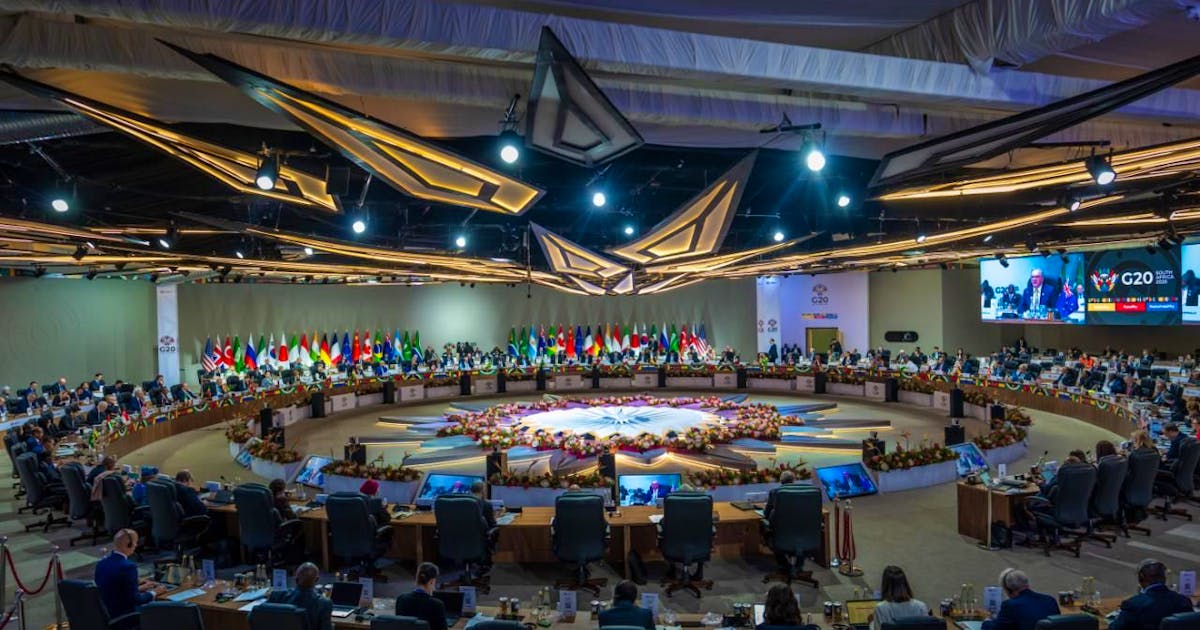
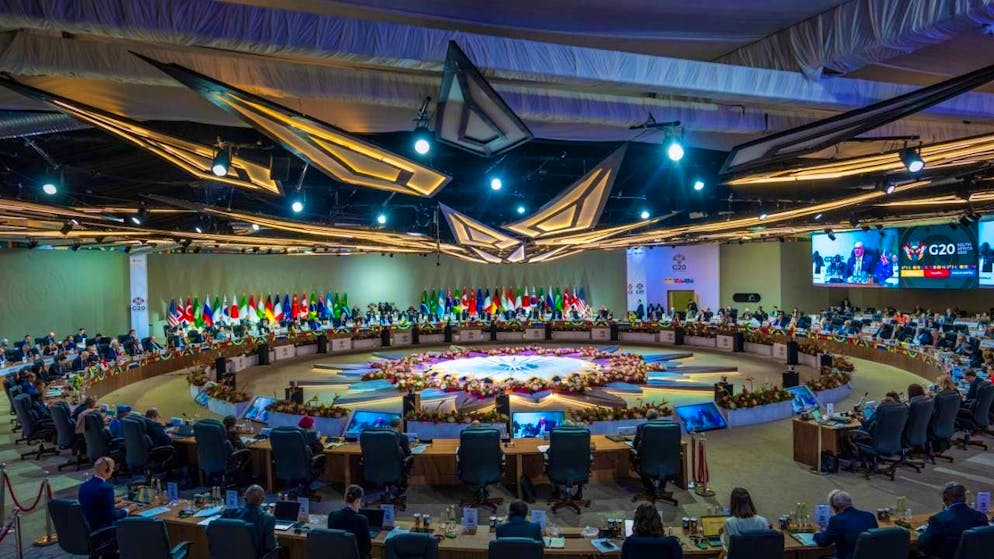
The G20 summit itself, spread over two days in Johannesburg, includes representatives from 19 nations, as well as the European Union and the African Union. It stands as a pivotal moment for addressing global issues ranging from economic stability to energy resources and climate change discussions. The summit, which serves as a platform for cooperation among major world economies, has been complicated by the geopolitical dynamics that surfaced during this event.
Looking Ahead
As the world anticipates the next G20 summit planned for Miami, the developments in Johannesburg serve as a crucial case study of how regional tensions and diplomatic fallouts can influence international relationships. The ongoing situation will undoubtedly have ripples far beyond this gathering, affecting future interactions between the U.S. and African nations in broader contexts of policy-making and economic cooperation.