


Germany’s Reversal on Arms Exports: A Controversial Decision
Overview of the Decision
On November 24, 2025, the German government made a contentious move by lifting the partial suspension on the issuance of arms export licenses to Israel, particularly for use in the occupied Gaza Strip. This decision comes just months after a suspension was enacted by Chancellor Frederick Merz in August 2025 due to escalating violence and humanitarian concerns. The suspension was initially seen as a meaningful step to impose pressure on Israel amid accusations of human rights violations.
Amnesty International’s Reaction
Erika Guevara-Rosas, Amnesty International’s Senior Director for Research, Advocacy, Policy and Campaigns, sharply criticized Germany’s decision. She labeled it “reckless” and “unlawful,” asserting that it sends a dangerous message to Israel, suggesting that it could continue actions viewed as genocidal and in violation of international law without fear of repercussions. According to Guevara-Rosas, the partial suspension was one of the few tools the international community had to exert pressure on Israel.
Contextualizing the Arms Trade
Germany is Israel’s second-largest supplier of arms, following the United States. This trade has included notable exports such as anti-tank weaponry and components for battle tanks. According to reports from the German government, export licenses worth over €485 million were issued between October 2023 and May 2025. By resuming arms exports, Germany not only reinforces its role as a significant supplier but also raises ethical questions about its complicity in international crimes during a time of heightened conflict.
Israeli Military Context
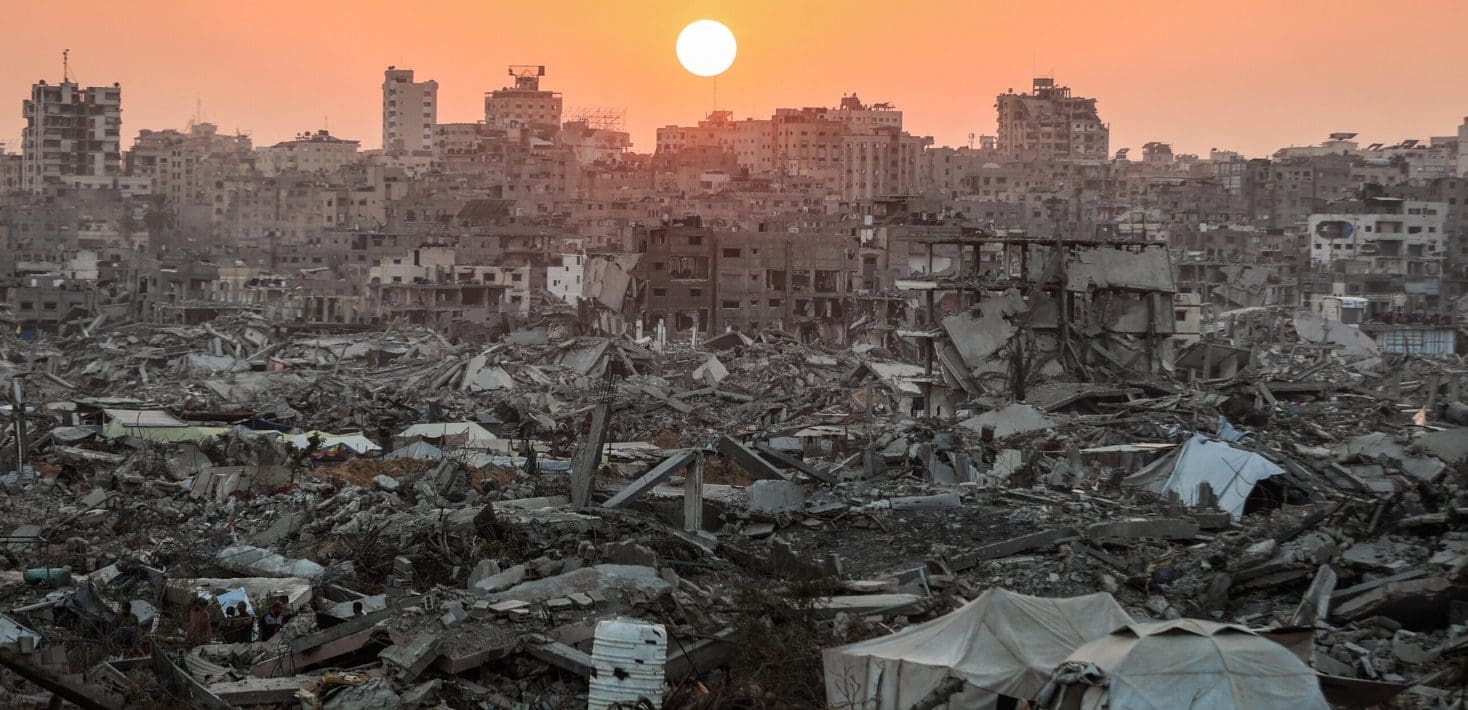
The backdrop for this decision includes the ongoing Israeli military operations in Gaza, where humanitarian conditions have deteriorated significantly. Guevara-Rosas pointed out that citing a “ceasefire” or “stabilization” as justification for arms exports is “wholly disingenuous.” The reality on the ground remains dire, with many Palestinians living in displacement, lacking essential services and supplies, further complicating the humanitarian crisis.
International Obligations and Human Rights
Amnesty International has consistently pushed for a comprehensive arms embargo not only against Israel but also against Hamas and other armed groups involved in the ongoing conflict. Guevara-Rosas emphasized that states, including Germany, have legal obligations under international humanitarian law and the Arms Trade Treaty. These obligations include refraining from supplying arms that could contribute to genocide or war crimes.
The Historical Precedent
In August 2025, the global community watched as Chancellor Merz announced the arms embargo in response to an Israeli Security Cabinet decision to intensify military actions in Gaza. This shift in policy marked a rare moment where Germany took a firm stance aligning its actions with international human rights advocacy. However, the subsequent reversal raises questions about the effectiveness of international measures to hold Israel accountable for its actions in occupied territories.
The Expectations Moving Forward
The reinstatement of arms exports has significant implications for future diplomatic relations and the broader discourse surrounding the Israel-Palestine conflict. Guevara-Rosas’s statement underscores a growing sentiment that Germany’s decision could embolden further violations of international law, calling for immediate reassessment and potential reversal of such policies by not only Germany but other nations as well.
Conclusion
As the situation evolves, the reconsideration of Germany’s role in arms exports to Israel will remain a focal point for discussions about human rights, international law, and global accountability. The complexities of the Israel-Palestine conflict continue to challenge governments worldwide, making the implications of arms trade choices ever more significant.