


The Ongoing Conflict in Sudan: A Humanitarian Crisis
Sudan, a country rich in history and culture, has been embroiled in a devastating war that has persisted for over 30 months. The conflict, rooted in a power struggle between the military and the paramilitary Rapid Support Forces (RSF), escalated into open violence in April 2023. This strife has resulted in catastrophic humanitarian consequences, with more than 40,000 lives lost according to United Nations estimates. However, many aid groups suggest this figure may be a significant undercount.
The Ceasefire Proposal Rejected
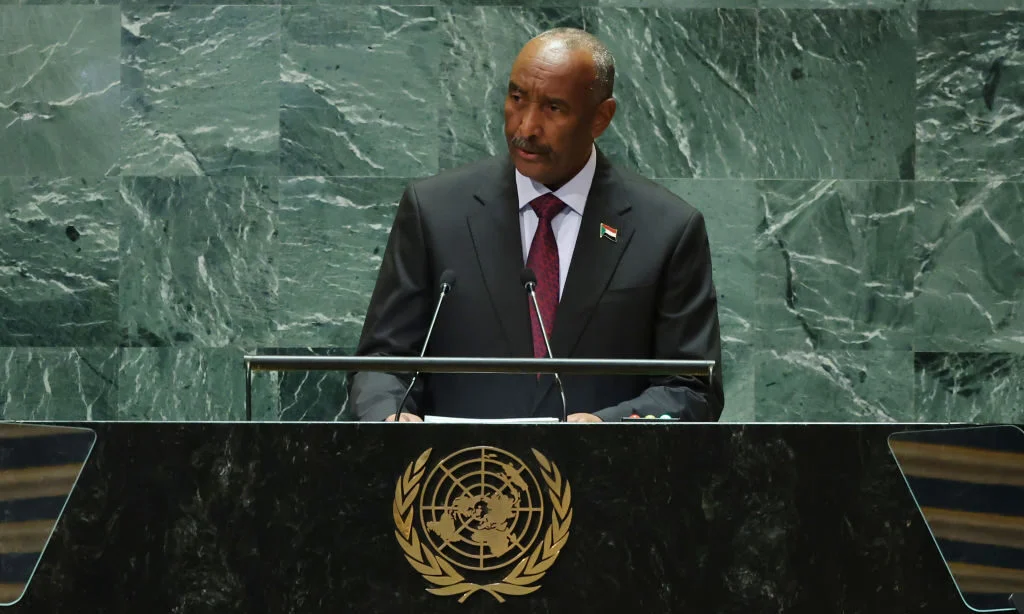
Recent attempts to mediate peace have hit a significant roadblock. General Abdel-Fattah Burhan, Sudan’s top military official, openly criticized a ceasefire proposal put forth by U.S.-led mediators, labeling it as “the worst yet.” His rejection came in a video statement released by the military on a late Sunday, wherein he accused the mediators of bias and lack of impartiality. The deteriorating situation shows just how complicated the path to peace has become.
The Quad’s Mediation Efforts
The mediators, known collectively as the Quad, consist of the U.S., Saudi Arabia, Egypt, and the United Arab Emirates. For over two years, this group has been striving to halt the fighting and to reestablish a democratic transition halted by a military coup in 2021. The Quad’s approach has included plans for a humanitarian truce followed by a political process aimed at restoring stability. Yet, these efforts have encountered resistance and skepticism from the Sudanese military leadership.
Recent Developments and Global Attention
This month, significant international interest has resurfaced in the Sudan crisis, particularly following President Donald Trump’s acknowledgment of the need for a more proactive U.S. role in seeking an end to the violence. His commitment to greater involvement arose in part due to discussions with Saudi Crown Prince Mohammed bin Salman. This renewed focus is critical, given the escalating humanitarian crisis that has left over 14 million people displaced within their own country.
Humanitarian Impact of the War
The chaos and violence have created the world’s largest humanitarian crisis, affecting millions. Displacement has become rampant, and with the deterioration of resources, disease outbreaks have surged, pushing parts of the country into famine. Humanitarian organizations have been working tirelessly to provide aid, but the scale of needs far exceeds available resources.
Controversies Surrounding Mediators
General Burhan’s remarks extended beyond the ceasefire proposal to his broader concerns about the mediators’ intentions, specifically targeting the UAE’s involvement. He expressed fears that the inclusion of the UAE in the mediation team rendered the process biased, accusing the country of supporting armed factions opposed to the Sudanese state. Reports have indicated that U.S. intelligence has linked the UAE to supplying arms to the RSF, a claim that the Emirates vehemently deny.
The Role of Massad Boulos
Amidst these tensions, Massad Boulos, a U.S. adviser for African affairs, has emerged as a controversial figure. Burhan suggested that Boulos might be an obstacle to achieving the peace that the Sudanese people desperately seek. The general’s comments encapsulate the deep mistrust that characterizes the current state of negotiations.
The Tactical Landscape
Burhan’s rejection of the ceasefire plan was grounded in what he perceives as significant flaws within the proposal. He suggested that it effectively undermines the role of the Sudanese Armed Forces while retaining the paramilitary RSF in a position of power. His concerns underline the complex web of loyalties and rivalries that complicate the pathway to peace and stability in Sudan.
As the situation continues to evolve, the international community watches closely, hoping for a breakthrough that could alleviate the suffering of millions. However, with entrenched positions and rising tensions, the road ahead remains fraught with challenges.