


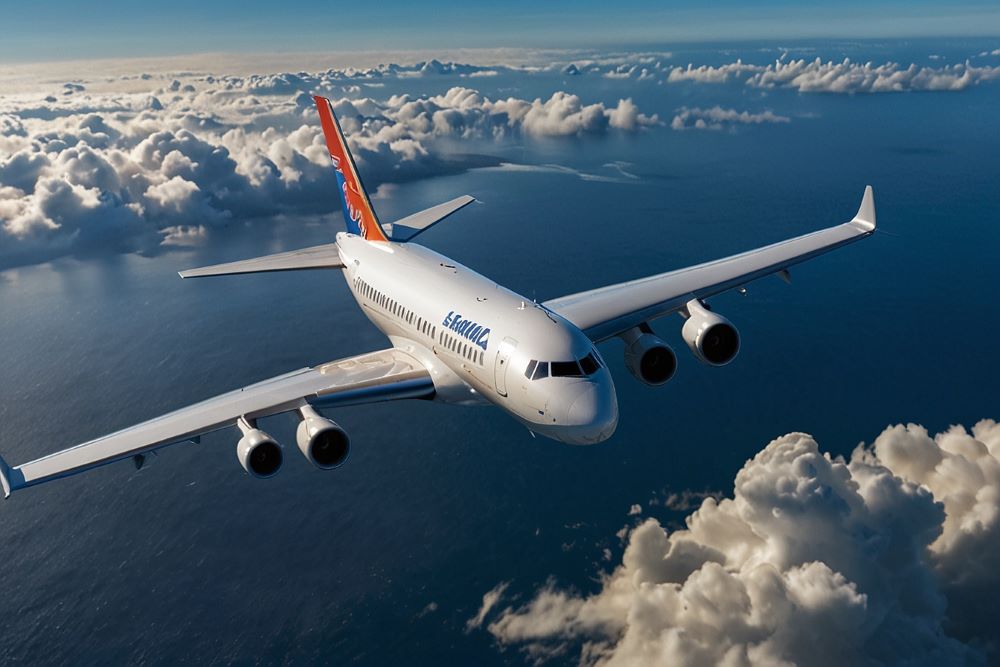
Samoa Airways Takes Bold Step Towards Global Expansion
Samoa Airways is gearing up for a transformative leap into international aviation with plans to acquire two jets by 2026. This ambitious move is set to revolutionize air travel for the nation, enhancing its connectivity to major destinations in Australia, New Zealand, and the United States. For many Samoan travelers, this could spell the dawn of more affordable and convenient travel options, breaking the reliance on limited regional carriers.
Samoa’s National Airline Prepares for Jet‑Era Leap
The announcement marks a significant shift in the national carrier’s operational capabilities. The plan to introduce jet aircraft reflects not just a business strategy, but a commitment to improve connections for Samoans domestically and abroad. As the world increasingly connects through air travel, Samoa Airways aims to position itself as a serious player on the international stage.
Why Samoa Wants Two Jets by End of 2026
Samoa’s Prime Minister, Laaulialemalietoa Leuatea Polataivao Fosi Schmidt, has been vocal about the need for this enhancement in the airline’s fleet. This proactive approach includes consulting with experienced Samoan pilots—some residing overseas—to identify aircraft types that offer low fuel consumption and manageable maintenance costs. Routes targeted for expansion include key connections to Auckland, Wellington, Christchurch, Melbourne, Sydney, and even a potential route to Honolulu and Los Angeles.
This transition from propeller-driven turboprop operations to jet services indicates a significant evolution in the country’s air travel ambitions.
The Current Fleet & Interim Steps
While the jet acquisition is in the pipeline, Samoa Airways is not standing still. The airline is currently retrofitting its de Havilland Twin Otter aircraft, a move aimed at modernizing its existing fleet. A recent retrofit reportedly cost around $10 million and is entirely financed by the airline, signaling their commitment to bolstering their operational capacity ahead of the impending upgrade to jets.
Strategic Rationale: What’s Driving the Move
Affordable Travel & Diaspora Connectivity
For countless Samoans, the cost of traveling to Australia, New Zealand, or the United States has historically been high. With return fares ranging from 2,000 to 3,000 tala (approximately $740 to $1,100) for what can be as little as a three and a half hour flight, the need for a national carrier becomes clear. By investing in jets, Samoa Airways will not only create more direct routes but also potentially lower fares, making international travel more accessible.
National Pride & Sovereign Connectivity
The initiative to operate its own jets represents more than just an economic motive; it signifies a tremendous sense of national pride. The government envisions Samoa Airways as a true flag carrier, fostering investments in local talent and allowing the Samoan diaspora to play a role through share offerings.
Tourism & Economic Boost
Enhanced air connectivity is vital for tourism, a cornerstone of Samoa’s economy. New routes and increased flight capacity signal an opportunity to attract more international visitors while also making it easier for Samoans abroad to return home. This bi-directional flow is expected to provide a considerable economic uplift for the nation.
Challenges & Risks Ahead
However, entering the world of jet aviation comes with its share of challenges.
Aircraft Selection & Financing
While the Prime Minister has confirmed consultations with pilots are taking place, details around the specific aircraft models and financing remain unclear. This ambiguity introduces uncertainty that could affect future operational and financial planning.
Operational Readiness
Transitioning to jets involves significant operational adjustments, including crew training, maintenance infrastructure, and safety certifications. The airline must scale up its capabilities swiftly to meet these new standards while ensuring compliance with regulatory requirements.
Route Access & Competition
Samoa Airways will be entering competitive international markets. Securing route authorizations, airport slots, and effective marketing strategies will be crucial in establishing its presence on prominent routes already dominated by established airlines.
Demand & Cost Pressure
With jets come higher fixed costs associated with fuel, maintenance, and crew. To thrive, Samoa Airways will need strong demand and high load factors, and any downturn could pose a financial risk to the airline.
The Broader Oceania Aviation Landscape
Samoa’s expansion plans are indicative of a broader shift taking place across the Oceania aviation sector. Airlines like Air Niugini are also upgrading fleets, highlighting a regional acknowledgment of the strategic significance of air travel for economic connectivity.
What This Means for Travellers and Samoa
The implications for travelers are substantial:
-
Increased Flight Options: New routes could manifest between Samoa and popular international destinations within the next few years.
-
Potential for Lower Fares: As competition heats up, travelers may benefit from reduced ticket prices.
-
Enhanced Access for the Diaspora: Better flight availability and options will facilitate travel for Samoans living abroad, reinforcing connections with home.
For Samoa, this could translate to:
-
Improved National Connectivity: Successful implementation of the airline’s plans could enhance overall connectivity and boost tourism revenue.
-
Financial Risks: Conversely, any missteps in execution could lead to increased economic pressure or ticket price spikes.
What to Watch For
As the situation develops, keep an eye out for:
-
Aircraft Model Confirmations: Details regarding whether Samoa Airways will select narrow-body or wide-body jets.
-
Formal Contracts: Announcements surrounding leasing or purchase agreements will clarify timelines and costs.
-
Route Launch Details: Upcoming schedules for the Apia–Australia/New Zealand/USA routes will provide insight into the airline’s operational capabilities.
-
Financial Disclosures: Reports from Samoa Airways or government sources revealing the economic rationale behind this bold move, including load-factor assumptions.
-
Regulatory Challenges: Watch for any news regarding crew training, maintenance readiness, and other regulatory hurdles as the airline prepares for international operations.
The journey ahead for Samoa Airways is full of promise and peril, blending familial connections with national pride. With the next year likely to be pivotal, it’s a story worth following closely.