


The Expansion of Zipline’s Drone Delivery Network in Africa
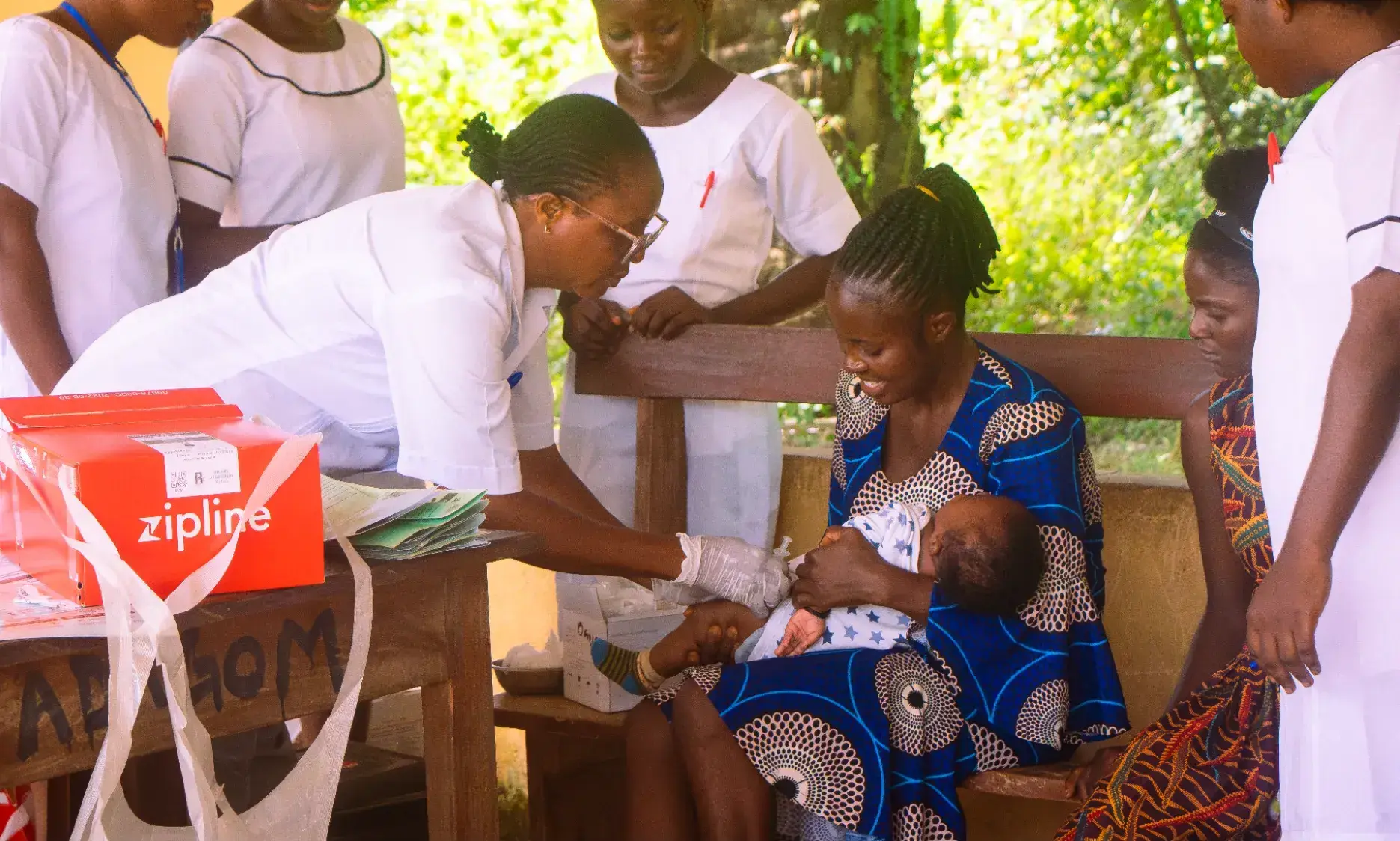
Zipline is making headlines with its ambitious plan to scale its drone delivery network across Africa, following a substantial investment of up to $150 million from the U.S. State Department. This investment is expected to be complemented by African governments who will more than double the initial funding through utilization fees. At full capacity, this venture could potentially extend Zipline’s service to 15,000 hospitals and health facilities, offering life-saving access to blood and essential medicines for up to 130 million people.
A New Pay-for-Performance Model
What sets this initiative apart is its innovative pay-for-performance model. Under this agreement, Zipline will only receive U.S. financing when African governments enter into contracts for expansion and commit to long-term logistics payments—which could reach as high as $400 million. This approach not only ensures accountability but also aligns financial incentives with positive health outcomes, strengthening the infrastructure for AI and robotics that supports 24/7 delivery of medical supplies.
Impact on Healthcare Access
Zipline’s CEO, Keller Rinaudo Cliffton, highlights how this partnership will expand an autonomous logistics system that has already changed the healthcare landscape in various African nations. U.S. Under Secretary Jeremy Lewin emphasized that this cooperation exemplifies a “results-driven” assistance strategy aimed at harnessing private capital and fostering American innovation worldwide. This strategic framework not only optimizes delivery but also ensures a sustainable future for healthcare logistics across the continent.
Proven Track Record
Since launching its first delivery in 2016, Zipline has conducted an impressive 1.8 million autonomous flights with an outstanding safety record. Independent research corroborates the substantial public health improvements in regions served by Zipline, including lower maternal mortality rates, reduced stockouts of critical medicines, and increased immunization rates. In several instances, the company has managed to shorten delivery times from an average of 13 days down to less than 30 minutes—an incredible feat that demonstrates the transformative potential of drone logistics.
Commitment from African Nations
African governments have long been instrumental in funding Zipline’s services, viewing the company as a key partner in strengthening their health systems. The anticipated expansion is designed to amplify the impacts of these investments. Rwanda, a trailblazer in the region, is expected to be the first country to formalize an agreement under this new model, continuing its longstanding collaboration with Zipline. Its ICT and Innovation Minister, Paula Ingabire, noted the significant lives saved and costs reduced through drone deliveries, underscoring the operational success.
Transformative Change in Nigeria and Côte d’Ivoire
Nigeria’s Health Minister, Muhammad Ali Pate, has observed how the existing Zipline operations have mitigated stockouts, created new access points, and improved treatment outcomes. Similarly, Côte d’Ivoire’s Health Minister, Pierre Dimba, remarked on the way Zipline has bolstered health facilities and increased access for rural populations. This expansion resonates with Côte d’Ivoire’s ambition to develop a resilient and modern health care system, highlighting the broader regional commitment.
Economic Growth and Job Creation
The collaboration with the U.S. will also facilitate the establishment of new Zipline hubs, which will be constructed and staffed locally. This initiative is poised to create skilled jobs and foster economic growth in the areas served. Zipline Africa’s CEO, Caitlin Burton, described this partnership as a pivotal moment in foreign aid, one that supports Africa’s aspirations while accelerating the adoption of effective American technology.
Envisioning the Future of Healthcare
With autonomous logistics currently serving less than 1% of the global population, Zipline perceives a significant opportunity for growth. The company’s experiences in Africa illustrate how a results-oriented model can effectively scale successful initiatives and help nations construct sustainable infrastructures. Bolstered by the ongoing support from African governments and the United States, Zipline is paving the way for autonomous delivery systems to become not just an auxiliary service but a core component of future healthcare strategies.