


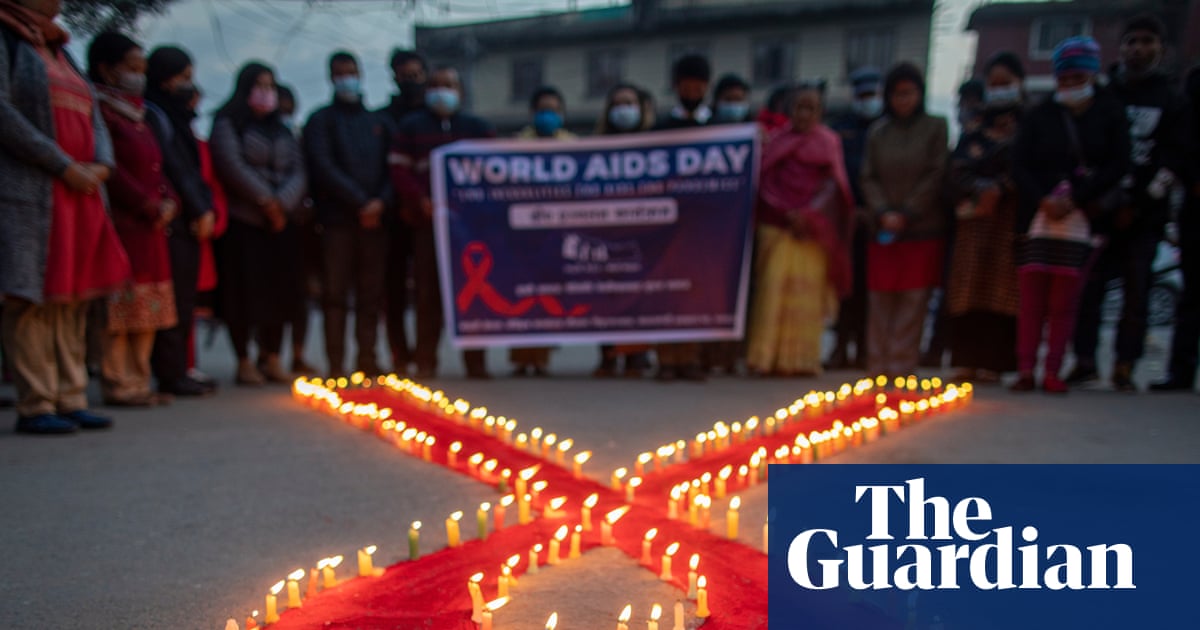
The Stopped Clock: No More Commemoration of World AIDS Day by the U.S. Government
For the first time since 1988, the U.S. government will not commemorate World AIDS Day. This significant shift in policy has raised eyebrows and provoked discussions about priorities and commitment to fighting the HIV/AIDS epidemic.
Change in Official Policy
Reports indicate that the State Department has directed its employees and grant recipients not to use government funds for any activities related to World AIDS Day, which occurs annually on December 1. According to an email confirmed by The New York Times, officials are encouraged to refrain from public acknowledgment of the day, despite it having been observed every year since its inception.
Restrictions on Public Messaging
While State Department staff may still highlight efforts in combating AIDS through various programs, they are instructed to avoid any public promotional activities for World AIDS Day via social media, speeches, or other public channels. This marks a stark departure from the government’s previous engagement in spreading awareness and celebrating the progress made in the fight against HIV/AIDS.
Historical Context
World AIDS Day serves as a crucial reminder of the millions of lives lost to the epidemic and acknowledges ongoing efforts to contain it. Traditionally, this day has been pivotal for raising awareness and fostering discussions about prevention and treatment. For years, the U.S. has utilized this platform to honor lives lost and to spotlight advancements in public health initiatives.
Proclamations and Commemorations: A Comparison
Curiously, while the current administration has issued new directives limiting commemorative messaging, former President Trump had no qualms about issuing proclamations for numerous other observances, including Anti-Communism Week and National Energy Dominance Month. This inconsistency prompts questions about the underlying strategy behind reducing visibility for World AIDS Day.
The State Department’s Rationale
Tommy Pigott, a State Department spokesperson, remarked that “an awareness day is not a strategy.” This statement implies a shift in focus towards direct collaborative efforts with foreign governments to combat AIDS and other infectious diseases, rather than utilizing designated days of awareness.
Past Commemorations and Recent Activities
Recent years have seen significant commemorations for World AIDS Day at the White House, including events hosted by President Joe Biden, who acknowledged the loss of over 110,000 lives through the AIDS memorial quilt. These historical acknowledgments symbolized the U.S. government’s commitment to public health and social issues related to HIV/AIDS.
Funding and Foreign Aid Cuts
The 2025 administration has already made headlines by canceling foreign aid programs aimed at combating HIV/AIDS, reducing research and prevention resources, and limiting funding under the President’s Emergency Plan for AIDS Relief (PEPFAR). This global initiative, established under George W. Bush, has been credited with preventing millions of deaths. The scaling back of these efforts highlights a concerning trend towards diminishing support for international public health programs.
Future of Pepfar Data
Typically, World AIDS Day has been an occasion for the State Department to release important data regarding PEPFAR’s progress. It remains uncertain whether the department intends to continue this practice, further complicating the narrative around U.S. commitment to fighting the HIV/AIDS crisis.
Reception of the Change
The decision to halt government commemoration of World AIDS Day strikes a discordant note for many advocates and organizations working tirelessly in the realm of public health. The cessation raises questions not only about governmental priorities but also about the broader commitment to delivering critical health services in both domestic and global contexts.
With this major policy shift, the U.S. government sets a precedent that could have lasting implications on public health initiatives and the visibility of health crises that continue to affect millions around the world.