


China’s Factory Activity: A Deeper Dive into the November Contraction
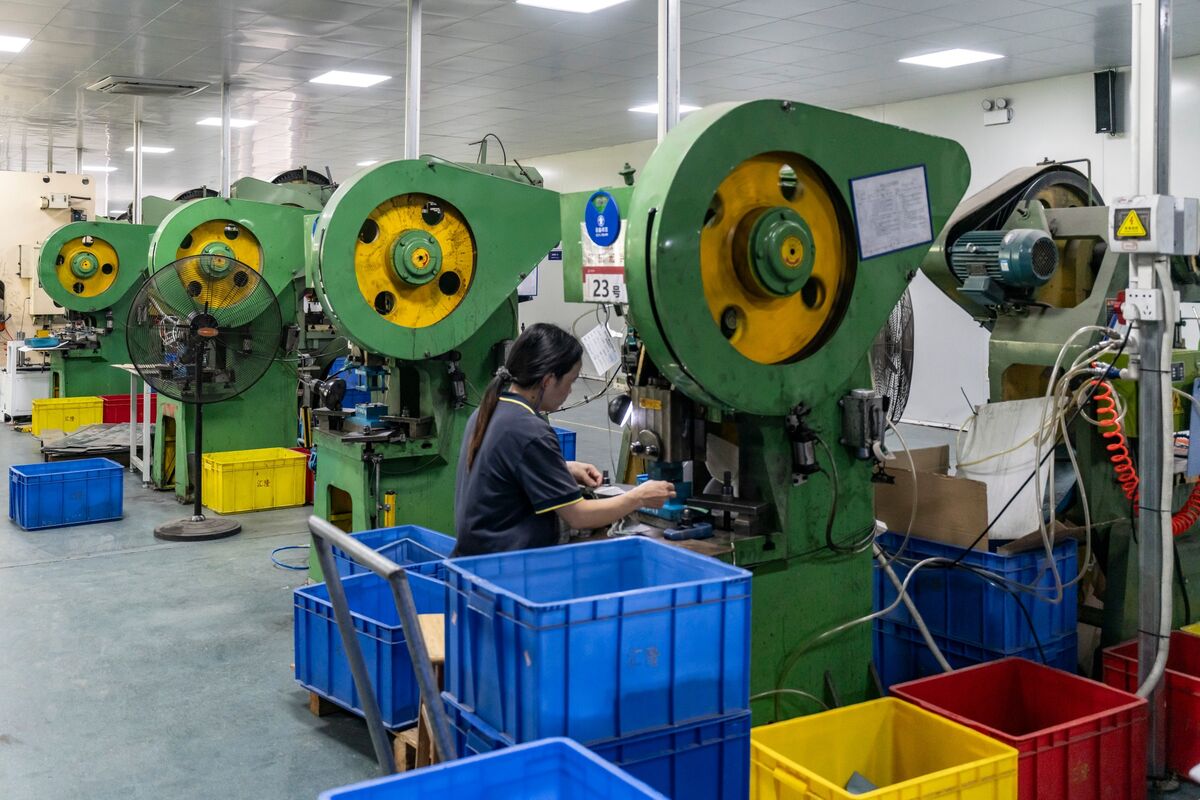
In November, China’s factory activity experienced a modest improvement but still firmly remained in contraction territory. This marks an ongoing trend that highlights the challenges facing the Chinese economy, particularly as it grapples with a deepening slowdown.
Understanding the Manufacturing Purchasing Managers’ Index (PMI)
The official manufacturing purchasing managers’ index (PMI), a critical indicator used to gauge the health of the manufacturing sector, hit 49.2 in November. This figure is significant because it stays under the pivotal 50-point threshold, which demarcates expansion from contraction. For the past eight months, the index has consistently indicated a decline, emphasizing persistent struggles within the sector.
Economists surveyed by Bloomberg had anticipated a slight uptick, predicting a reading of 49.4. However, the actual figure fell short of expectations, reinforcing concerns about the robustness of China’s manufacturing capabilities in the current economic climate.
Key Factors Contributing to the Contraction
Several interrelated factors contribute to this scenario, reflecting broader issues in the global economy and specific domestic challenges:
1. Global Economic Conditions
The slowdown in global demand has had a cascading effect on China’s manufacturing sector. Key markets such as the United States and Europe are experiencing their own economic challenges, leading to reduced imports of Chinese goods. This situation limits the growth potential for manufacturing firms, which rely heavily on international orders.
2. Domestic Economic Pressures
Internally, China is facing a range of economic pressures, including sluggish consumer spending and investment levels. The aftereffects of the COVID-19 pandemic continue to linger, impacting businesses’ operations and consumer confidence. Moreover, the ongoing property crisis has further constrained economic activity, particularly in sectors closely tied to construction and heavy industry.
3. Policy and Regulatory Environment
In response to these economic challenges, the Chinese government has undertaken various policy measures aimed at stimulating growth. However, the effectiveness of these initiatives often takes time to materialize on the ground. Manufacturers find themselves navigating a landscape of regulatory changes and policy uncertainty, which can hinder operational planning and investment decisions.
Implications for Stakeholders
The continued contraction in the manufacturing sector carries significant implications for a broad array of stakeholders, including investors, policymakers, and consumers:
Investors
For investors, the persistent weakness in manufacturing signals caution. Many may reassess their portfolios, particularly in sectors heavily reliant on manufacturing output. This could lead to increased volatility in stock markets, particularly for companies tied closely to manufacturing performance.
Policymakers
Policymakers are under pressure to implement strategies that can turn the tide. Should the contraction continue, there may be increasing calls for more aggressive fiscal and monetary interventions. The balancing act between stimulating growth and managing inflation remains a critical challenge for the government.
Consumers
For consumers, the implications of a contracting manufacturing sector may surface in various ways, from product availability to pricing. A weaker manufacturing environment can lead to reduced product options and potentially higher prices as supply chains adjust.
Looking Ahead
As we look to future months, the outlook for China’s manufacturing sector remains uncertain. Key indicators, including the PMI, will continue to play a crucial role in informing us about the economic landscape. Close monitoring of both domestic and international economic conditions will be essential as stakeholders navigate the complexities ahead.
In conclusion, while November offered a glimmer of improvement in factory activity, the broader narrative emphasizes the profound challenges that persist in China’s economic framework. Understanding these dynamics is vital for effectively addressing the hurdles that lie ahead.