


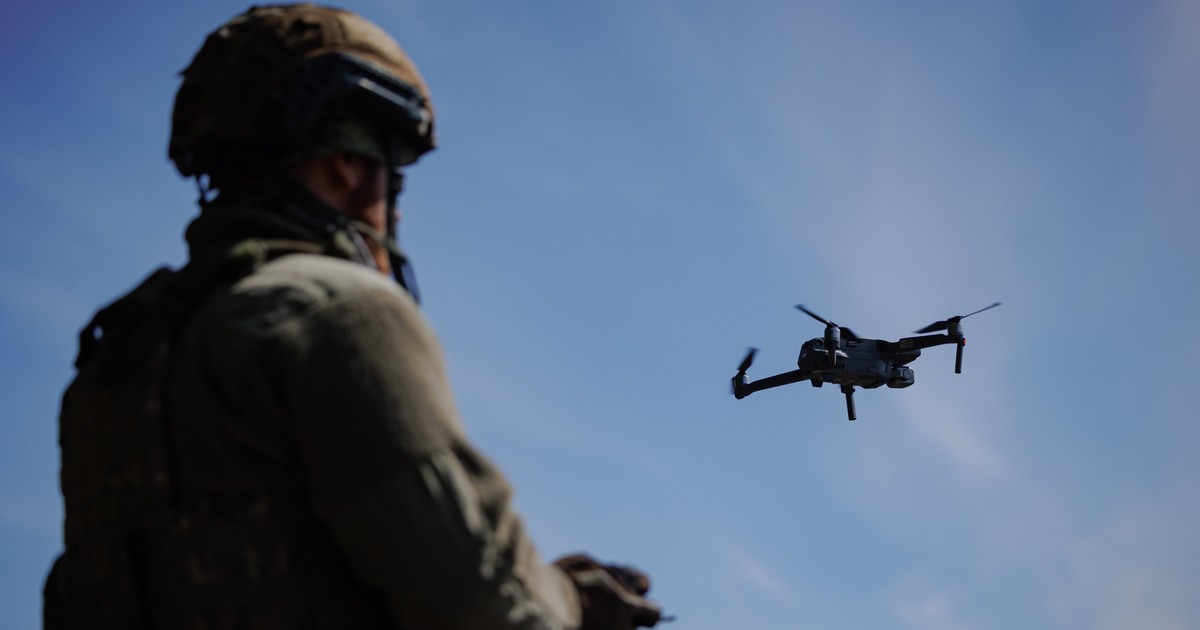
The Drone Revolution: A New Era in Defense and Beyond
As global conflicts evolve and technology accelerates, the drone industry is experiencing an unprecedented surge. Fueled by increasing defense budgets, particularly under the Trump administration, and a growing military interest in unmanned systems, this market is witnessing a seismic shift. Companies both large and small are being thrust into the spotlight as they vie for lucrative government contracts.
A Boon for Startups
While traditional defense giants have long dominated the landscape, the current environment is uniquely favorable for early-stage drone startups. These agile companies are not just challenging the status quo; they are frequently securing contracts that were once the exclusive domain of established firms. This disruptive trend marks 2025 as a pivotal year for both defense and commercial drone sectors, opening new avenues for innovation and partnership.
Remarkable Startups Making Waves
One illustrative example of this trend is Mach Industries, founded by Ethan Thornton. The company’s recent win of a U.S. Army contract for cruise missiles underscores the shifting dynamics in defense contracting. In his words, Thornton emphasized a palpable commitment: “Our mission is to ensure the West wins in the emerging era of unmanned wars.” This sentiment resonates throughout the industry as startups strive to become key players in the future of warfare.
The Changing Landscape of Drone Technology
Business Insider has consistently pointed out the booming nature of the drone market, analyzing which startups are attracting the most significant investments and government contracts. With venture capital flowing into this space, the competition is fierce, but it’s also fostering a wave of creativity and innovation. As more entities enter the fray, the landscape of drone technology is being redefined daily.
Major Players and Future Directions
A notable trend is the intense competition among America’s largest defense contractors, who are now scrabbling for their own piece of the drone warfare pie. The stakes are high, not just in terms of profits but in shaping the future of national defense capabilities. These legacy companies must not only compete with startups but also adapt to rapidly changing technological landscapes and consumer expectations.
Key Data Points
The economic aspects of this growth are equally intriguing. Business Insider has delved into specifics such as employee numbers and funding figures for various startups, drawing upon data from PitchBook. This insight allows stakeholders to gauge who the emerging leaders in drone technology are, providing a clearer picture of the industry’s trajectory.
Defense and Beyond: The Applications of Drones
As drones become integral to military operations, their applications extend far beyond the battlefield. Both governmental and commercial sectors are beginning to harness their potential for tasks ranging from surveillance to logistics and beyond. This versatility enhances their desirability, making it easier for new companies to carve out niches in diverse markets.
Shaping the Future
As we look at the landscape of the drone industry today, it’s evident that the stakes are continually rising. With new players armed with innovative technologies entering the defense sector, traditional boundaries are dissolving. This evolution not only signifies a transformation in warfare but also hints at wider societal implications as drone technology proliferates into various sectors.
For those keen to keep abreast of developments, particularly in defense tech or with potential drone-related insights, communication channels are open. Sharing knowledge and experiences in this rapidly changing environment could help deepen our understanding of how drones are shaping our future—and not just in military contexts.