


Immigration Policy Changes Under the Trump Administration
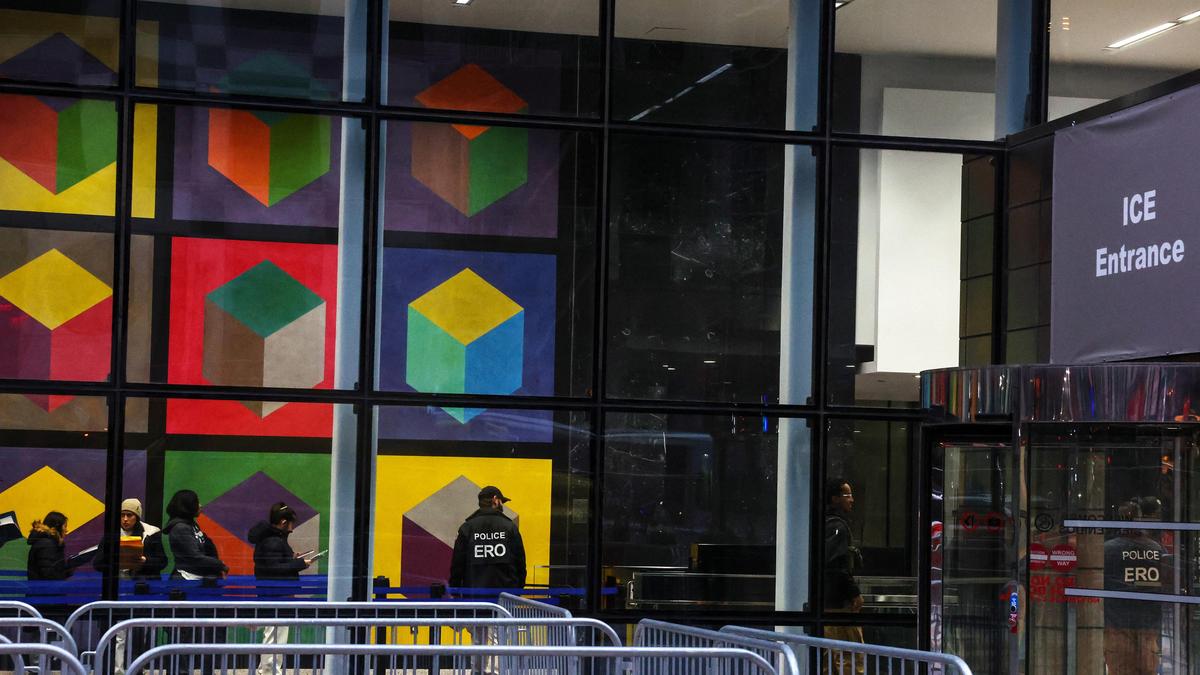
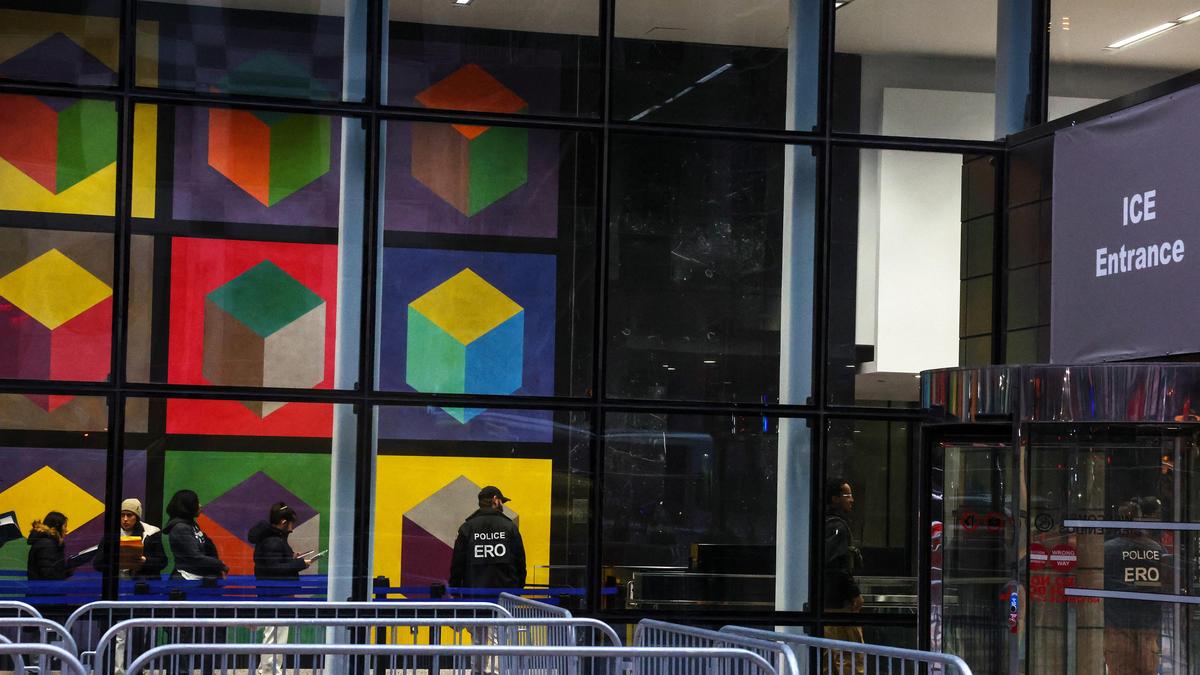
People wait in line to enter the U.S. governmental office building immigration court in New York City, U.S. | Photo Credit: Reuters
On December 2, 2025, significant changes in U.S. immigration policy were announced by the Trump administration. This decision to pause all immigration applications—including green card and citizenship processing—affects immigrants from 19 non-European countries, raising substantial concerns regarding national security and public safety.
Background of the Immigration Pause
This immigration pause aligns with previous actions initiated during the Trump presidency, notably a partial travel ban established in June the same year. The targeted countries include Afghanistan and Somalia, both of which have been under scrutiny due to ongoing security issues.
The official memorandum indicating this pause highlights a recent attack on National Guard members in Washington, D.C., wherein an Afghan suspect was arrested. This incident, which resulted in the tragic loss of one National Guard member’s life, galvanized the administration’s stance on immigration from these specific regions.
Heightened Rhetoric Against Targeted Countries
In recent statements, President Trump has intensified his rhetoric against Somali immigrants, labeling them in derogatory terms and expressing a desire for fewer immigrants from these nations. This public discourse appears to further solidify the administration’s justification for imposing stricter immigration measures.
Since resuming office in January 2025, Trump has made immigration enforcement a top priority. Federal agents have been deployed to major cities, and asylum seekers have faced increased challenges at the U.S.-Mexico border, signaling a robust approach to managing immigration.
The List of Affected Countries
The memorandum details a list of countries that are now subject to more stringent immigration restrictions. These include:
- Afghanistan
- Burma
- Chad
- Republic of the Congo
- Equatorial Guinea
- Eritrea
- Haiti
- Iran
- Libya
- Somalia
- Sudan
- Yemen
Additionally, six other countries—Burundi, Cuba, Laos, Sierra Leone, Togo, Turkmenistan, and Venezuela—were previously subjected to partial restrictions in June and are now included under the new policy.
Re-Review Process for Immigrants
The newly outlined policy places a significant hold on pending immigration applications from the affected countries. It mandates that all immigrants undergo a thorough re-review process, which could include interviews and re-interviews to assess potential national security threats.
This sweeping reevaluation aims to scrutinize the background and circumstances surrounding applicants more rigorously, reflecting growing concerns about the safety of the U.S. populace.
Impact on Immigration Services
Reports indicate that the American Immigration Lawyers Association is seeing an increase in cancellations concerning interviews for naturalization, oath ceremonies, and adjustments of status for individuals from the specified nations. The disruptions signify a real-world impact on individuals who have navigated complex immigration processes, only to face sudden halts without clear paths forward.
While the administration emphasizes the need for heightened security measures, the implications for those seeking refuge or a new life in the United States are far-reaching and consequential, highlighting the ongoing tension between immigration policy and national security priorities.
As the situation develops, it reflects the broader discourse surrounding immigration in America—balancing security concerns with humanitarian responsibilities.