


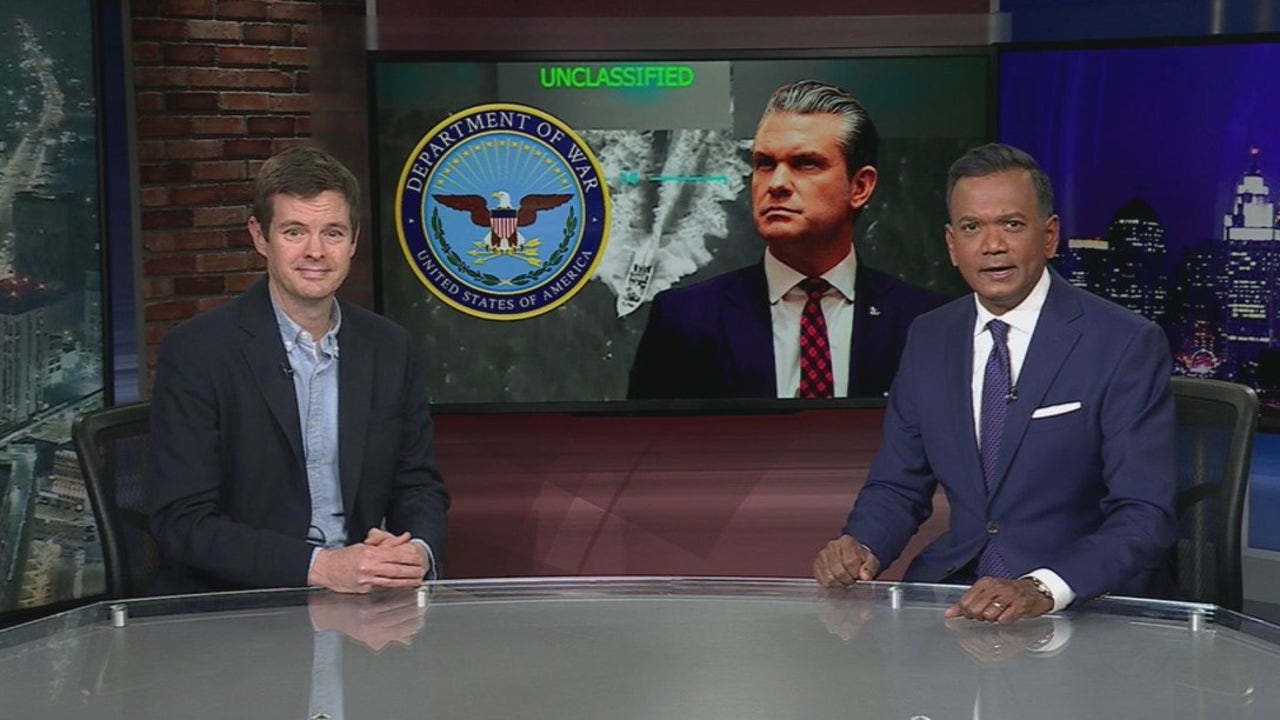
### Understanding War Crimes: A Conversation with Professor Mark Navin
In light of recent reports about the United States conducting strikes against alleged drug boats in the Gulf, the discussion surrounding the legality of military actions has become increasingly urgent. Furthermore, allegations of war crimes against Secretary Hegseth have raised significant questions. To unpack this complex issue, I spoke with Professor Mark Navin from Oakland University, an expert on international law and ethics.
### The Nature of War Crimes
War crimes are defined under international law as serious violations of the laws of war, including acts such as willful killing, torture, taking hostages, and attacks on civilians. Professor Navin explained that these actions not only breach the Geneva Conventions but also undermine the fundamental principles of human rights.
“War crimes are not just about how a war is conducted; they also relate to the context in which violence occurs,” Navin stated. He emphasized that understanding the intent behind military actions is crucial in determining whether they meet the threshold for war crimes.
### Contextualizing the Strikes
The recent U.S. strikes against boats suspected of drug trafficking have prompted debates about whether such actions are justified under international law. According to Professor Navin, “The context matters immensely. If the strikes are aimed at disrupting drug trafficking that contributes to organized crime or terrorism, one might argue that they serve a higher purpose.”
However, he cautioned that these justifications must be critically examined. Violating the sovereignty of another nation—even if the goals appear benevolent—could still amount to an unlawful act if not conducted within a framework of international law.
### The Allegations Against Secretary Hegseth
As allegations of war crimes surface against Secretary Hegseth in relation to these strikes, the implications of such claims grow more significant. Navin elaborated on the legal ramifications: “High-ranking officials can be held accountable for the actions of their forces, especially if there is evidence that they were directly involved in planning or executing unlawful acts.”
The threshold for proving war crimes can be steep. Allegations must be substantiated with clear evidence, and the legal processes involved can often be lengthy and complicated.
### The International Legal Framework
The administration’s actions must also be evaluated against a backdrop of international law, particularly The Hague and Geneva Conventions. Navin highlighted that compliance with these legal frameworks is essential for maintaining legitimacy on the global stage.
“Actions that are perceived as extrajudicial or disproportionate can invite international scrutiny and condemnation,” he warned. This scrutiny doesn’t solely come from other states but also from international organizations and human rights groups that monitor compliance with international norms.
### The Dilemma of National Security vs. Human Rights
Professor Navin noted the ongoing challenge policymakers face: balancing national security interests with adherence to human rights. “Governments often argue that measures taken in the name of security are necessary, even if they skirt the edges of legality,” he said.
This tension becomes especially pronounced in operations targeting drug trafficking, where the line between law enforcement and military intervention often blurs. The current administration must navigate these murky waters carefully to ensure they don’t set precedents that could lead to future abuses.
### Ongoing Debates and Future Implications
As discussions continue around these allegations and military operations, the conversation surrounding war crimes remains pertinent. The stakes are high, not just for the individuals directly involved, but for international relations as a whole.
“What’s at play here is a matter of ethics, legality, and moral responsibility,” Professor Navin concluded. With the global community watching closely, the ramifications of these actions could resonate beyond the immediate situation, influencing the future of international law and military engagement.