


Has the USA Ever Hosted the World Cup? Revisiting the 1994 FIFA Tournament
The excitement is building as the 2026 FIFA World Cup approaches, set to unfold in North America from June 11 to July 19. For the first time ever, the tournament will expand to include 48 teams, with Canada, Mexico, and the United States sharing hosting duties. The majority of matches will be held in the USA, again placing the spotlight on soccer’s growth in the nation. But has the USA ever hosted this prestigious event before?
The USA’s Previous Hosting: The 1994 World Cup
Yes, the United States has hosted the World Cup once before—in 1994. Back then, the tournament retained the 24-team structure that had been in place since the 1986 World Cup. Following the 1994 edition, FIFA expanded the tournament format to include 32 teams in 1998, a structure that persisted until Qatar 2022.
The 1994 World Cup was significant not only for its scale but also for marking a turning point in American soccer. The hype surrounding the event captured the nation’s attention and laid the groundwork for soccer’s popularity in the years to follow.
Who Won the 1994 World Cup?
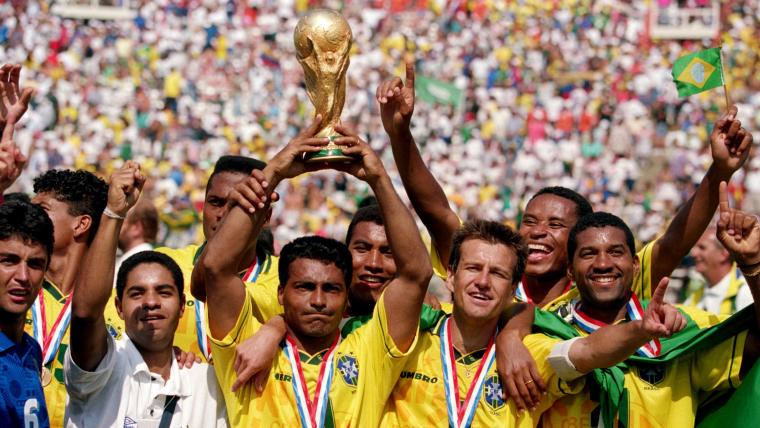
Brazil emerged victorious at the 1994 World Cup, securing their fourth championship title after a 24-year wait. They made history by becoming the first team to win a World Cup final via penalty shootout when they faced Italy at the Rose Bowl in Pasadena. The match ended goalless after 120 minutes, leading to a tense shootout where Italian stars Franco Baresi and Roberto Baggio missed their penalties.
This victory was a pivotal moment for Brazil as they would go on to win a fifth title in 2002 in Japan and South Korea, cementing their status as one of the most successful national teams in the history of the tournament.

Major Soccer Events in the United States
Fast forward to 2026, and the U.S. is gearing up to welcome back the World Cup amid a flurry of other significant soccer events. The 2026 tournament will be the third major international soccer competition to occur on American soil in just a few years.
Men’s Soccer Events in the USA
In 2025, the U.S. hosted the expanded Club World Cup, where Chelsea triumphed over Paris Saint-Germain in a thrilling final at MetLife Stadium. Just a year prior, Argentina brought home the Copa America trophy, following their 2022 World Cup win, showcasing the nation’s fierce talent on the field. This was a stark contrast to the heartbreak felt back in 2016, when Lionel Messi’s missed penalty in the shootout led to Argentina’s defeat against Chile in the Copa America Centenario, the first major event held in the U.S. outside of the Gold Cup since 1994.
The USA has also been a consistent host for the CONCACAF Gold Cup, serving as either sole or co-host for all 18 editions since its inception in 1991.
Women’s Soccer Events in the USA
On the women’s side, the United States has continuously played a pivotal role in elevating the visibility of soccer. In 2024, the first CONCACAF W Gold Cup will take place in the U.S., with the home team securing victory under interim coach Twila Kilgore. This competition should not be confused with the longstanding CONCACAF W Championship, which began in 1991; the U.S. has hosted five out of its eleven editions, co-hosting with Canada in 2002.
The women’s game witnessed one of its most iconic moments during the 1999 World Cup final held in the U.S. Brandi Chastain’s penalty kick that clinched the title against China became a defining instant not just in sports, but in American culture. The U.S. hosted the tournament again in 2003 when Germany defeated Sweden in the final, thanks to Nia Kunzer’s golden goal.
With the upcoming 2026 World Cup, which promises to be a landmark event for soccer in the U.S., the nation is poised to deepen its relationship with the sport. As we look back at the success of the 1994 tournament, it’s clear that America’s soccer journey continues to evolve, shaping the future of the game on home soil.
For enthusiasts, players, and fans, the legacy of these events remains a testament to the growing passion for soccer in the United States.