



Keystone
Recent military actions by the United States have cast a spotlight on the country’s ongoing campaigns against drug trafficking across international waterways. In a series of operations, the U.S. military has claimed responsibility for targeting boats suspected of transporting illegal drugs. The most recent incident involved an attack on a vessel in the eastern Pacific Ocean, resulting in the deaths of four individuals on board.
According to announcements made by the U.S. military’s Southern Command (Southcom), the operations targeting these alleged drug boats have significantly escalated in the past few months. High-profile attacks have occurred, leading to a reported death toll of nearly 90 individuals, which has drawn sharp criticism regarding the methods and justifications for these military actions. While the U.S. government labors to label the victims as drug smugglers, many human rights advocates argue that these military strikes constitute extrajudicial killings, violating international norms.
The campaign has raised crucial ethical questions about how the U.S. is engaging in what it describes as a “war on drugs.” Critics cite the absence of transparency and concrete evidence to substantiate claims of drug transportation, raising alarms about the potential collateral damage caused by such aggressive military strategies. Over the past few months, reports surfaced indicating a troubling trend of armed forces acting without full accountability, increasing calls for oversight from international human rights organizations.
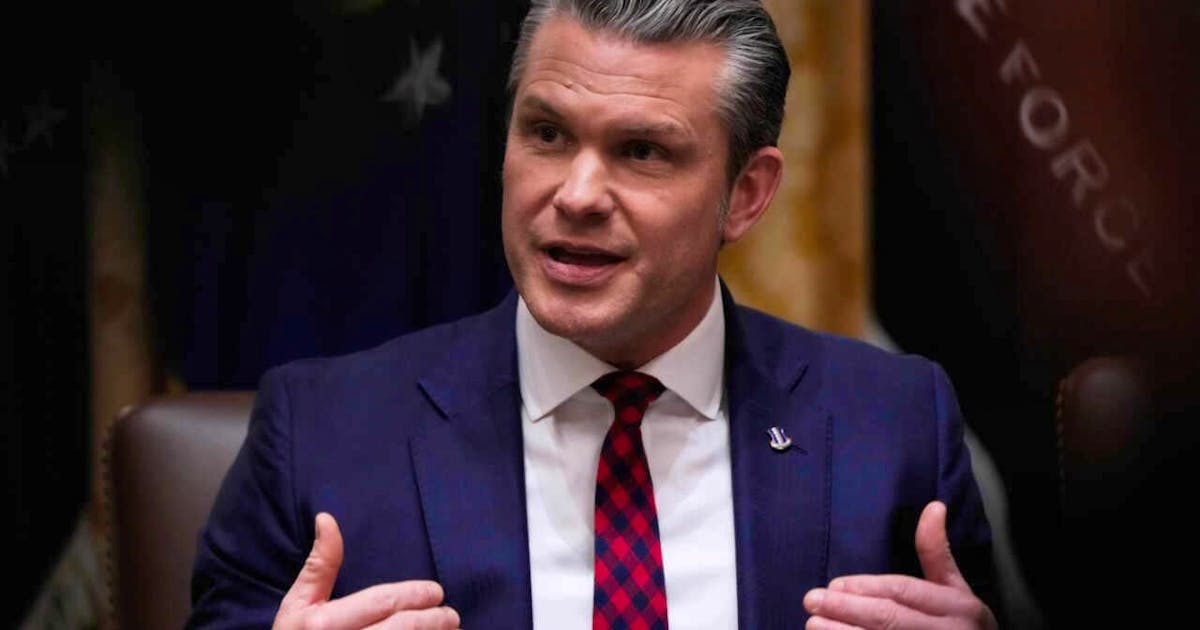
Compounding these tensions, U.S. Secretary of Defense Pete Hegseth recently reaffirmed the commitment to sustain these military actions. During a cabinet meeting, he proclaimed, “We have only just begun to destroy drug boats and send drug terrorists to the bottom of the sea.” His statements, while intended to bolster resolve against drug-related crime, have sparked further outrage from human rights groups, highlighting the precarious balance between national security and adherence to international law.
As the U.S. military intensifies its efforts to combat drug trafficking, the implications of such operations extend beyond immediate security concerns. The actions reflect ongoing debates over the militarization of U.S. foreign policy and the consequences of using military force in the fight against illicit drug trade. In light of these developments, observers are raising critical questions about the effectiveness and morality of such interventions in international waters.