


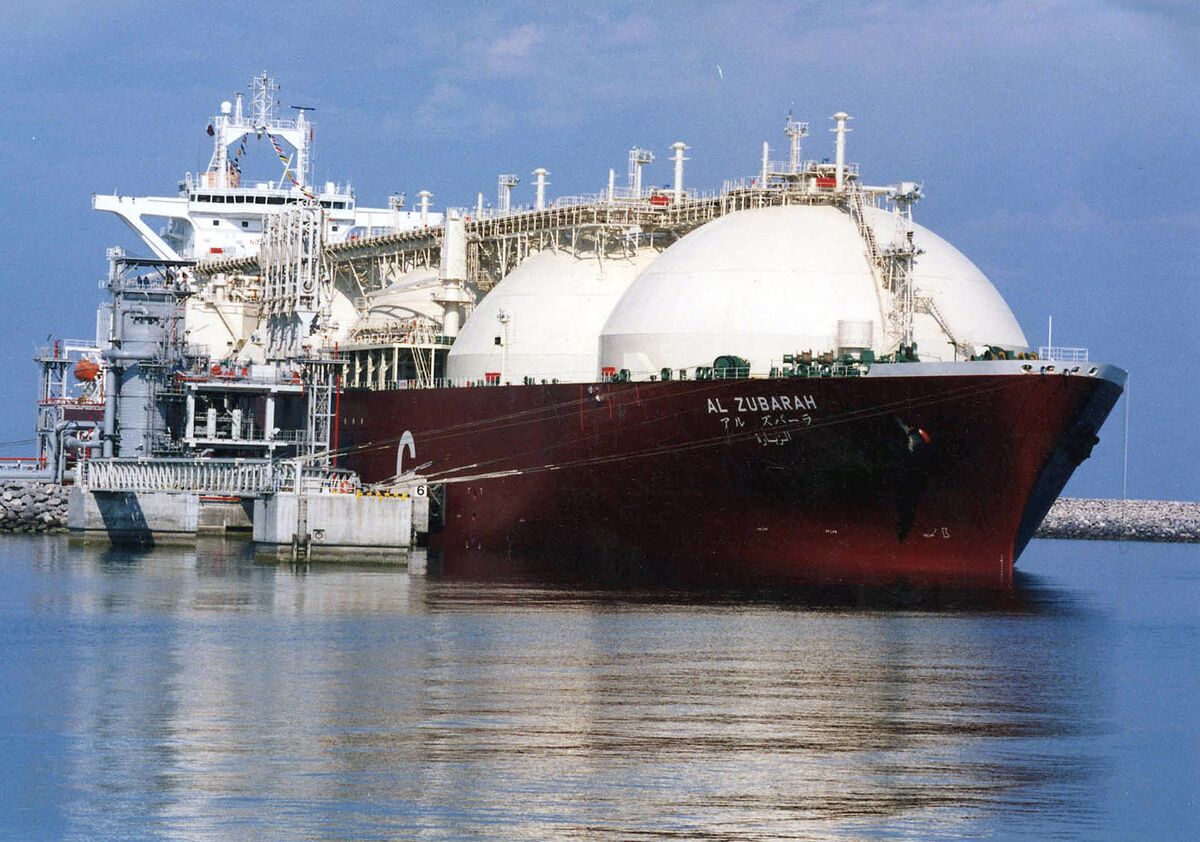
Qatar’s Energy Concerns: The Implications of AI on LNG and Natural Gas Supply
The Rising Demand for Energy
In recent years, the global energy landscape has undergone significant transformation, driven primarily by technological advancements and changing consumption patterns. One of the most striking trends is the surge in energy demand fueled by artificial intelligence (AI) applications. As AI systems become more integrated into various industries—from manufacturing to healthcare—the energy required to power these intelligent systems has skyrocketed. Qatar’s Energy Minister has voiced genuine concerns about this rising demand and its potential repercussions on the country’s liquefied natural gas (LNG) and natural gas supplies.
Investment Gaps in Energy Infrastructure
One of the core issues highlighted by Qatar’s Energy Minister is the alarming lack of investment in energy infrastructure. Despite the booming demand for energy resulting from AI and other technologies, investments in new LNG projects have not kept pace. This investment gap poses a significant threat to energy security, particularly in regions that rely heavily on natural gas. Without substantial financial backing to develop new resources, existing operations may struggle to meet future demand, leading to potential shortages.
The Interplay Between AI and Natural Gas
AI is not just a user of energy; it’s also reshaping industries and processes that depend on natural gas. As AI becomes more pervasive, industries may seek to optimize their operations through automation and predictive analytics, leading to increased natural gas consumption. This interplay raises critical questions: Can current natural gas supply chains adapt quickly enough to support this surge? Are countries like Qatar prepared for the future demands that AI will place on energy resources?
Global Market Dynamics
The dynamics of the global energy market further complicate the situation. As more countries strive for energy independence and sustainability, the reliance on LNG can shift dramatically. Competitive pressures may lead to geopolitical tensions, especially if major consumers of LNG face shortages. Qatar, being one of the leading LNG exporters, is acutely aware of these market fluctuations and the potential impact on its economy and energy strategy.
Technological Innovations and Sustainability
While AI poses challenges, it also offers solutions. Innovations in technology may provide ways to enhance the efficiency of natural gas usage, thus mitigating some of the risks associated with increased demand. For example, advanced energy management systems, powered by AI, could optimize consumption patterns across industries, reducing overall energy reliance. Qatar’s emphasis on investing in technology could play a crucial role in navigating these complex challenges.
Long-term Planning and Strategic Initiatives
In light of these concerns, long-term strategic planning becomes essential. Qatar’s Energy Minister emphasizes that a proactive approach to energy policy is necessary to ensure stability in the LNG and natural gas markets. This includes not only ramping up investment in extraction and production facilities but also fostering partnerships with technology firms to drive innovation in energy efficiency.
Consumer Awareness and Responsibility
Lastly, as individuals and businesses become increasingly aware of their energy consumption, there is a pressing need for consumer responsibility. The rise in energy demand driven by AI underscores the importance of making informed choices about energy usage. Encouraging initiatives that promote energy conservation can play a significant role in alleviating pressure on natural gas supplies.
By addressing these interconnected issues collaboratively, Qatar and other energy-producing nations can work towards a more sustainable and secure future in the face of evolving technological landscapes and increasing energy demands.