


The Ongoing Challenges of Defense Secretary Pete Hegseth Amidst Trump’s Unease
In the dynamic world of politics, few figures stand out as prominently as Defense Secretary Pete Hegseth. Recently, reports have emerged indicating that President Donald Trump is beginning to grow weary of Hegseth’s controversies, raising questions about the Secretary’s future in a position that has come under intense scrutiny.
The Pressures of Modern Governance
From reproductive rights to climate change and the rising influence of Big Tech, The Independent emphasizes the critical need for on-the-ground reporting in these profound issues. Quality journalism is vital, particularly in turbulent times, as it seeks to separate facts from the often overwhelming noise of political messaging. This quest for truth underpins the work of many journalists today, including those covering the complexities of national security.
Trump’s Dwindling Enthusiasm
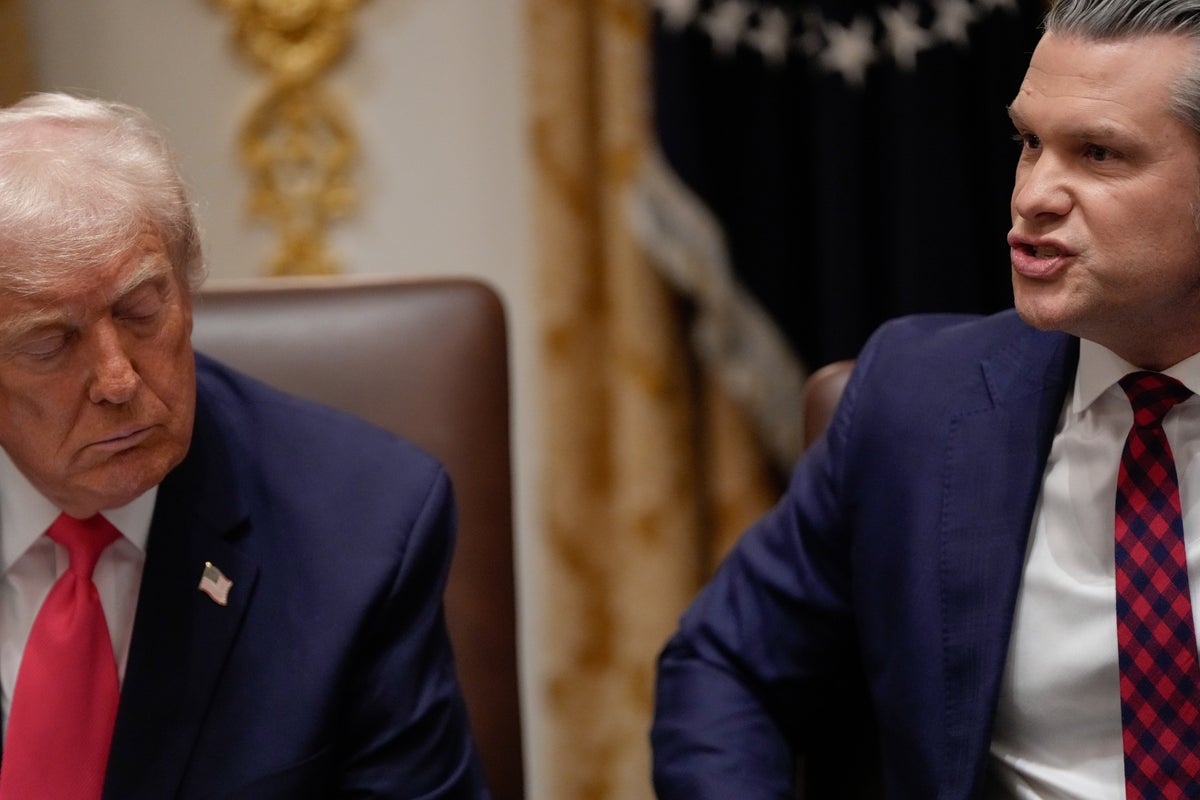
While President Trump has publicly supported Hegseth, behind closed doors, indications emerge that his enthusiasm is waning. According to The Atlantic, White House discussions suggest the President is tired of the incessant scandals surrounding the Secretary. This sentiment could create a chasm between Hegseth’s perceived effectiveness and Trump’s willingness to endure the fallout from his administration’s ongoing challenges.
Reports from unnamed sources within the administration describe it as a “rough week for Pete.” The repeated controversies are increasingly testing the loyalty of even the most steadfast supporters within the Republican Party.
Pentagon Under Fire
The situation grows more complex with the scrutiny the Pentagon faces regarding its operational decisions. A second strike authorized against an alleged drug boat in the Caribbean has drawn significant criticism and intensified questions about Hegseth’s judgment. The Pentagon’s actions, particularly the follow-up strike, have raised moral and legal concerns, sparking a national conversation about military protocols and the rules of engagement.
Admiral Frank “Mitch” Bradley, leading U.S. Special Operations Command, presented troubling footage of these strikes to lawmakers, triggering reactions from both sides of the aisle. Democratic Rep. Jim Himes described the footage as one of the most disturbing he has encountered in his career, while Republican Tom Cotton defended the strikes as lawful and necessary.
Broader Implications of Hegseth’s Leadership
Beyond the double-tap controversy, Hegseth’s aggressive approach towards suspected drug traffickers has led to severe consequences, including numerous fatalities. Critics have labeled these attacks as illegal and have expressed concern that they serve as a means of pressuring Venezuelan President Nicolás Maduro. Conversely, supporters within the GOP frame these military actions as crucial steps to curb the illicit drug trade flowing into the U.S.
On another front, the Inspector General’s report regarding Hegseth’s communications practices created further unrest. The findings highlighted risks to U.S. personnel, with calls for accountability intensifying as some lawmakers demand Hegseth testify under oath.
The Growing Rift in Republican Support
As Hegseth finds himself increasingly under fire, the once-solid backing from Republican lawmakers starts to fray. Senator Thom Tillis has criticized Hegseth’s claims of exoneration stemming from the Inspector General’s report, emphasizing that no rationalization can disguise the mishandling of classified information.
Moreover, Senator Rand Paul has publicly called for Hegseth to address the legality of the boat strikes, questioning the administration’s approach towards military engagement. Such dissent represents a notable shift in party loyalty as fractures emerge over Hegseth’s leadership capabilities.
Striking a Balance Between Loyalty and Competence
Despite the mounting criticisms, some Republicans continue to support Hegseth, asserting that the Pentagon operates effectively under his command. Some aides to Trump believe that Hegseth’s loyalty to the President may outweigh the baggage he carries, allowing him to remain in a position where his challenges will likely persist.
A senior administration official suggested that Trump may be reluctant to dismiss Hegseth entirely, aware of the political fallout that would accompany any change in leadership.
Future Military Engagements and Tactical Decisions
Amid these controversies, Trump has hinted at escalating military campaigns, asserting that operations could extend beyond the seas into land operations soon. Such statements indicate that the administration remains committed to its current military strategies despite the controversies swirling around Hegseth.
As the political landscape evolves, the relationship between Trump and Hegseth will continue to captivate observers, while the future of U.S. military engagement hangs in the balance. The unfolding narrative underscores the ongoing challenges faced by military and governmental leaders in navigating the complexities of modern governance.