


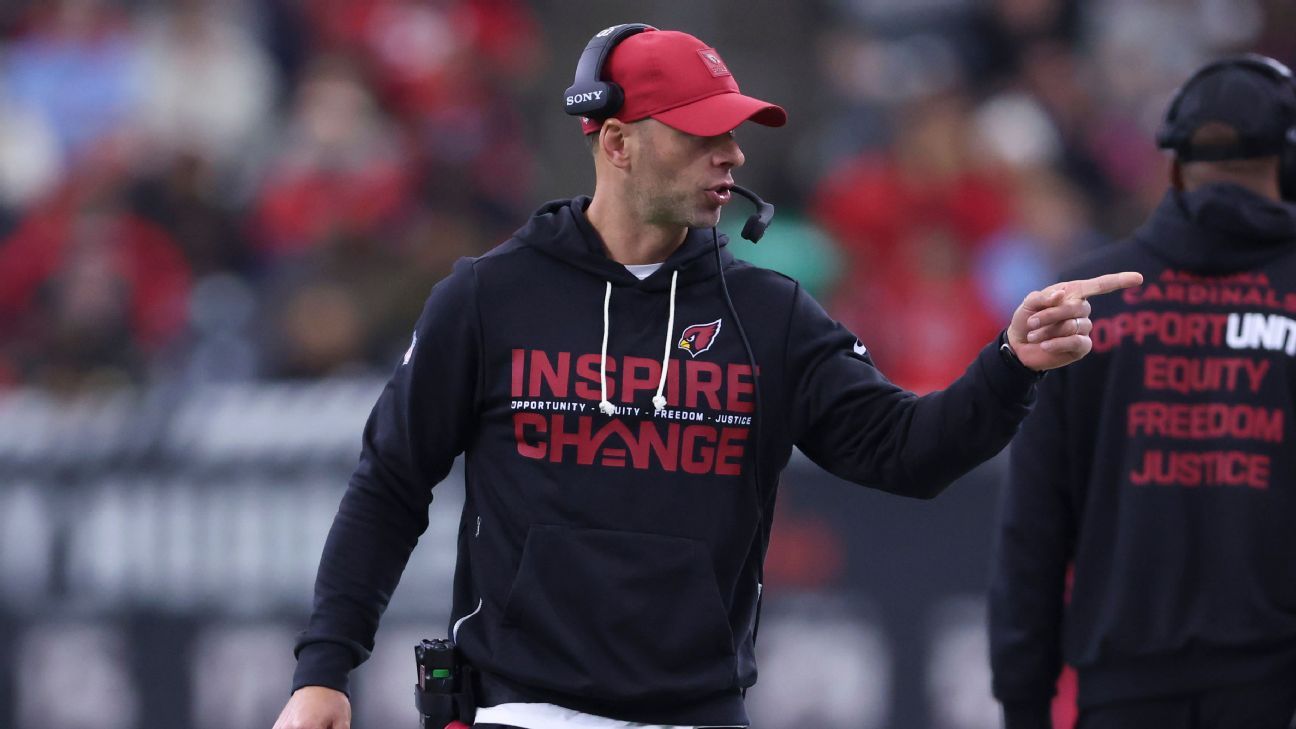
The Tackling Dilemma: Jonathan Gannon’s Perspective on NFL Practices
Introduction to Defensive Challenges
In the high-stakes world of the NFL, the art of tackling is one of the fundamental skills that define a defensive player’s effectiveness. As coaches strategize to improve their team’s defensive performance, the question arises: How do the rules surrounding practices and training restrict player development in this critical area? Arizona Cardinals head coach Jonathan Gannon recently shed light on this issue, expressing his dissatisfaction with current collective bargaining rules that limit how defensive players can hone their tackling skills.
The Cardinals’ Struggles
The Cardinals have faced challenges this season, particularly in the tackling department. Following a disappointing 40-20 defeat against the Houston Texans, Gannon highlighted the missed tackles as a significant factor contributing to the team’s struggles. Delving into the statistics, it becomes evident that the Cardinals have allowed 40 rushes with at least five yards gained after initial contact—ranking them third in the NFL for this unwanted statistic. Moreover, they currently sit at 18th in terms of yards allowed after contact per rush, according to ESPN Research.
Tackling Training Practices
When questioned about how the Cardinals refine their players’ tackling techniques, Gannon acknowledged that discussions within the coaching staff were ongoing. He mentioned that while they practice tackling drills “in some way, shape, or form,” the reality remains that no drill can truly replicate the intensity and unpredictability of a game situation.
Restrictions Imposed by Collective Bargaining
The landscape of NFL training practices has changed significantly since the 2020 collective bargaining agreement, which allows teams a mere 14 padded practices. Notably, 11 of these must occur within the first 11 weeks of the season, while offseason activities like OTAs and minicamps prohibit contact altogether. This restriction hampers not only the development of tackling skills but also the overall growth of defensive players.
The Skill Development Paradox
Gannon has expressed a desire for a more conducive environment for skill development but clarified that he would not be advocating for changes to the existing rules. “The rules are the rules,” he stated, presenting a pragmatic view without dismissing the challenges they impose on his coaching strategy. He likened the rules to telling a professional golfer, like Scottie Scheffler, that he can’t practice with a wedge during the offseason—an analogy that underscores the absurdity of restricting fundamental practice time for a crucial skill.
The Importance of Practice
Highlighting the importance of practice, Gannon emphasized that effective tackling requires dedicated training. “To get better at a skill, you have to practice the skill,” he argued. This necessity to engage in focused practice sessions presents a conundrum for defensive coaches navigating the restrictions. Gannon noted that although there is inherent risk in trying to practice tackling under these conditions, it is crucial for a defense aiming to excel.
Strategic Implications for Team Composition
The limitations on tackling practice do influence team strategy, including personnel decisions. Gannon humorously remarked that if tackling cannot be effectively practiced, some teams may lean towards acquiring players who already excel in that area, as opposed to trying to improve existing talent. This mindset reflects a broader trend in the league, as teams grapple with the implications of current practice regulations on performance.
Conclusion: The Ongoing Debate
As the NFL continues to evolve, the conversation surrounding tackling, skill development, and the impact of rules will likely persist. Coaches like Gannon are left to navigate this complex landscape while aiming to instill a sense of excellence within their teams. The tension between preserving player safety and fostering skill development remains a key challenge in the world of professional football.