


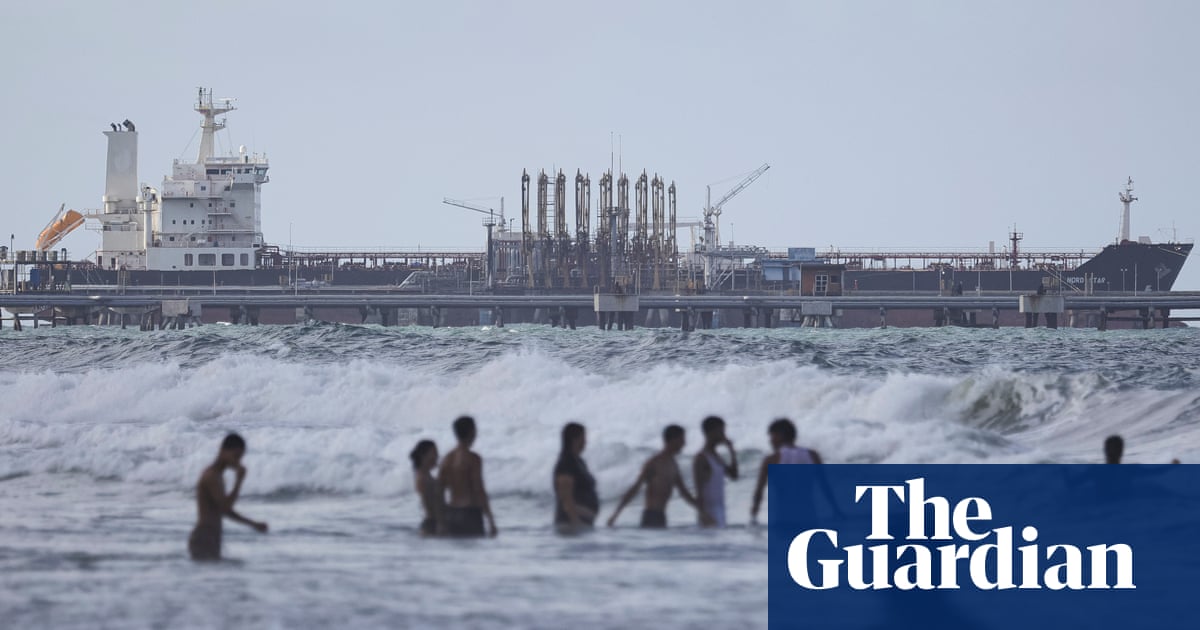
Recent Seizure of Merchant Vessels Off the Coast of Venezuela
On Saturday, American forces apprehended a second merchant vessel transporting oil in international waters off the coast of Venezuela. This incident occurred amid an intensified American blockade aimed at disrupting the country’s oil trade. According to the U.S. Department of Homeland Security, the United States will continue to take measures against illicit oil movement, particularly those linked to funding narcotics and terrorism within the region.
The Interception Details
This recent interception follows a notable seizure earlier in December, where a different oil tanker was stopped. Both vessels were reported to be en route to Asia, carrying significant quantities of crude oil. The British maritime risk management firm Vanguard identified the latest vessel as the Panama-flagged Centuries, intercepted in the Caribbean Sea east of Barbados. Interestingly, this vessel did not appear on the list of U.S.-sanctioned ships, indicating a possible escalation in the enforcement of the blockade.
U.S. Stance on Oil Movement
Homeland Security Secretary Kristi Noem announced the tanker was intercepted during a “pre-dawn action” on Saturday. She firmly stated that the United States would actively pursue any illegal movement of sanctioned oil, reinforcing the administration’s stance on combating narco-terrorism tied to this illicit trade. Noem’s comments emphasize the strategic importance of cutting off financial resources that could empower criminal organizations in the region.
The Broader Context of U.S.-Venezuela Relations
This apprehension occurs within a broader context of rising tensions between the United States and Venezuela, particularly under President Donald Trump’s administration. Following the initial seizure of an oil tanker deemed “sanctioned,” Trump has made it clear that aggressive measures against vessels carrying Venezuelan oil may be on the table. Trump referred to the U.S. blockade as a necessary action against what he labeled as the “theft” of American energy rights by the Venezuelan government.
Venezuelan Government’s Response
In the wake of these seizures, the Venezuelan administration, led by President Nicolás Maduro, has condemned the U.S. actions as acts of “international piracy.” Maduro has even encouraged his naval forces to escort oil tankers, defying the extensive U.S. military presence established in the region. This declaration underscores the increasingly combative rhetoric surrounding the maritime conflict.
Trump’s Open Conflict Remarks
Amidst escalating tensions, Trump did not shy away from discussing the possibility of open conflict with Venezuela. In a recent NBC interview, he stated that he does not rule out a military option against Maduro’s regime. This rhetoric reflects a growing seriousness about U.S. interventions in international waters, as the administration emphasizes its commitment to reinstate control over lost oil assets.
Enforcement of Sanctions
The U.S. government’s expanded efforts to enforce oil sanctions exemplify a broader strategy to choke off Venezuela’s oil exports. The sanctions imposed since 2019 have led to the emergence of a “shadow fleet” of tankers, which attempt to disguise their origins while transporting Venezuelan oil. Analysts indicate that this network complicates enforcement, as many vessels evade U.S. sanctions and attempt to navigate through waters rich with oil.
The Dark Fleet: Navigating Challenges
Reports indicate that the Centuries, which loaded oil under a false name, was part of this shadowy fleet and was carrying approximately 1.8 million barrels of Venezuelan crude oil destined for China. The vessel’s path mirrored a trend of utilizing intermediaries and misrepresented identities to evade detection while conducting oil trades, particularly with entities in Asia.
International Implications and Market Conditions
China is the largest consumer of Venezuelan crude oil, with December shipments projected to exceed 600,000 barrels daily. However, fluctuations in the oil market may arise if the U.S. blockade remains effective, potentially influencing global oil prices due to diminishing supplies from Venezuela.
The Standoff in Maritime Operations
The U.S. military recently escalated its operations against vessels engaged in drug trafficking, resulting in a rising death toll among suspected traffickers. This aggressive approach has drawn criticism from international observers, including Mexican President Claudia Sheinbaum, who urged the United Nations to intervene to prevent further violence in the region.
Conclusion: An Ongoing Crisis
As the U.S. steps up its enforcement against Venezuelan oil shipments, the bilateral relations between the two nations continue to deteriorate. The ongoing maritime confrontations highlight both the strategic and economic stakes involved, underlining the complex dynamics at play in the global oil market and U.S.-Venezuela relations.