


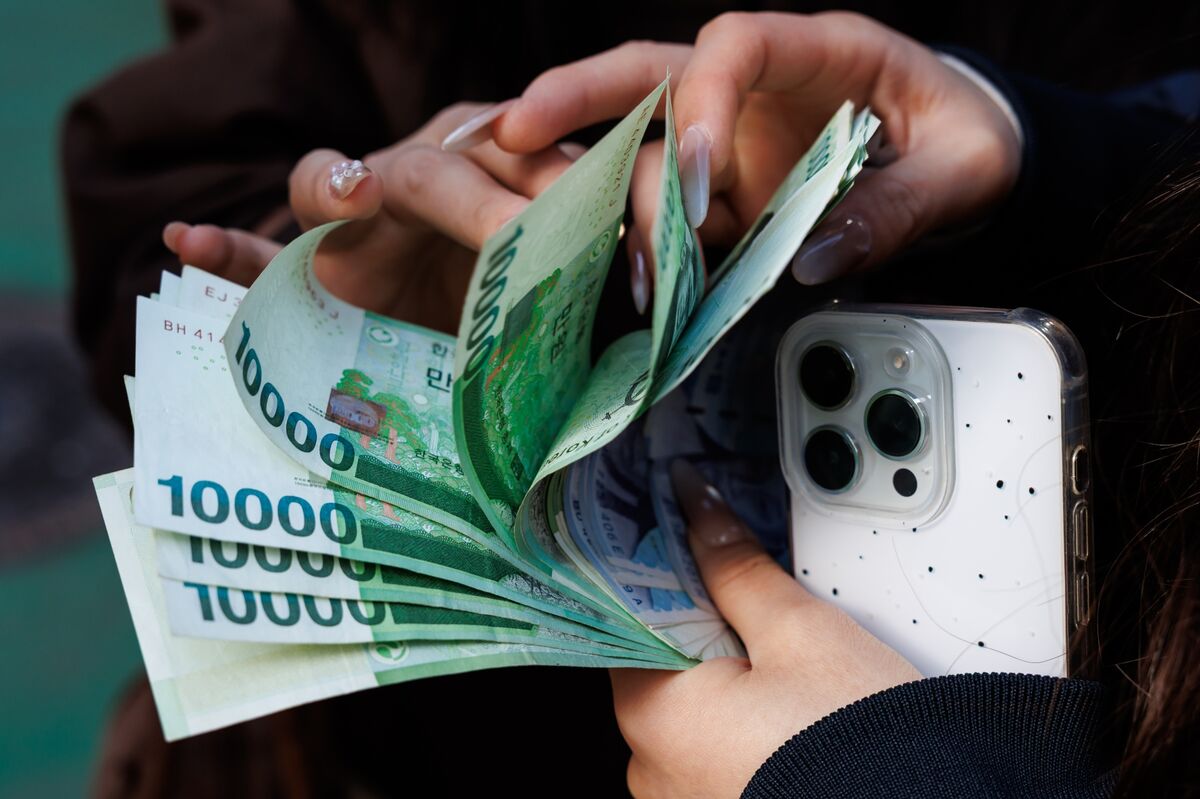
The Recent Surge of the South Korean Won: An Examination
The South Korean won has recently made headlines as it rallied to its strongest position since early November. This noteworthy movement caught the attention of traders and economists alike, particularly as it followed a period of notable weakness. Such fluctuations in currency valuation evoke various analyses, particularly about the influence of policymakers and economic conditions. Let’s dive into the factors that contributed to this recent upswing in the won.
Key Factors Behind the Rally
The rallying of the South Korean won can primarily be attributed to a proactive response from the nation’s policymakers. In the lead-up to this resurgence, South Korean authorities had expressed concerns over the won’s depreciation, which was driven by a mix of global economic pressures and domestic factors. Policymakers emphasized their commitment to stabilizing the currency, which not only reassured investors but also signaled their readiness to intervene if necessary. Such gestures of support can significantly influence market confidence, encouraging traders to favor the won.
Global Economic Context
To fully understand the dynamics of the won’s rally, it is essential to consider the broader economic context. The global market has seen considerable fluctuations, primarily influenced by ongoing geopolitical tensions, inflationary pressures, and changes in interest rates in major economies. The U.S. dollar, often seen as a safe haven during times of uncertainty, has historically influenced the valuations of other currencies, including the won. As the dollar’s strength wavers, currencies like the won often experience recovery, especially if domestic conditions appear stable and promising.
Domestic Economic Indicators
In addition to external influences, South Korea’s own economic indicators play a significant role in shaping the currency’s performance. Recent reports suggest positive trends in key sectors, including manufacturing and exports, which are both vital for the country’s economy. The export-driven economy remains sensitive to global demand, and signs of recovery, especially in technology and automotive sectors, can bolster the won’s value. Additionally, domestic consumption patterns have shown resilience, which also contributes positively to outlooks on the currency.
Market Reactions and Investor Sentiment
Market reactions to exchange rate movements are often driven by investor sentiment, which can be swift and volatile. The recent rally has been received favorably among investors who may have feared prolonged weakness. Increased confidence can lead to a self-reinforcing cycle; as more investors buy into the won, its value continues to appreciate, creating a robust market environment. Additionally, analysts are closely monitoring the response from investors in foreign markets. Such reactions often reflect leaders’ and policymakers’ credibility, reinforcing the notion of trust in economic strategies.
Impacts on Trade and Business
The strengthening of the won also carries implications for trade and business. A stronger currency can result in both benefits and challenges. On one hand, it can reduce the costs of imports, allowing for more affordable consumer goods and raw materials. However, it can also make South Korean exports more expensive for foreign buyers, potentially impacting the competitiveness of the country’s products. Businesses and export-oriented sectors are thus adapting to this floating currency landscape, recalibrating their strategies to mitigate possible adverse effects while leveraging any advantageous scenarios.
Looking Ahead
As the situation develops, many are curious about how policymakers will respond to ongoing changes in the financial landscape. Future moves may include additional monetary policy adjustments or fiscal measures aimed at sustaining confidence in the won. Central banks globally are also navigating similar issues related to inflation and currency valuations, which means that South Korea is part of a larger economic discourse.
Conclusion
The recent rally of the South Korean won illustrates the intricate interplay of local and global economic factors. From proactive policymaking to investor sentiment shifts, various elements contribute to currency dynamics. As developments unfold, keen attention will remain on how these factors evolve and influence the South Korean economy, offering a compelling narrative for economists and investors alike.