


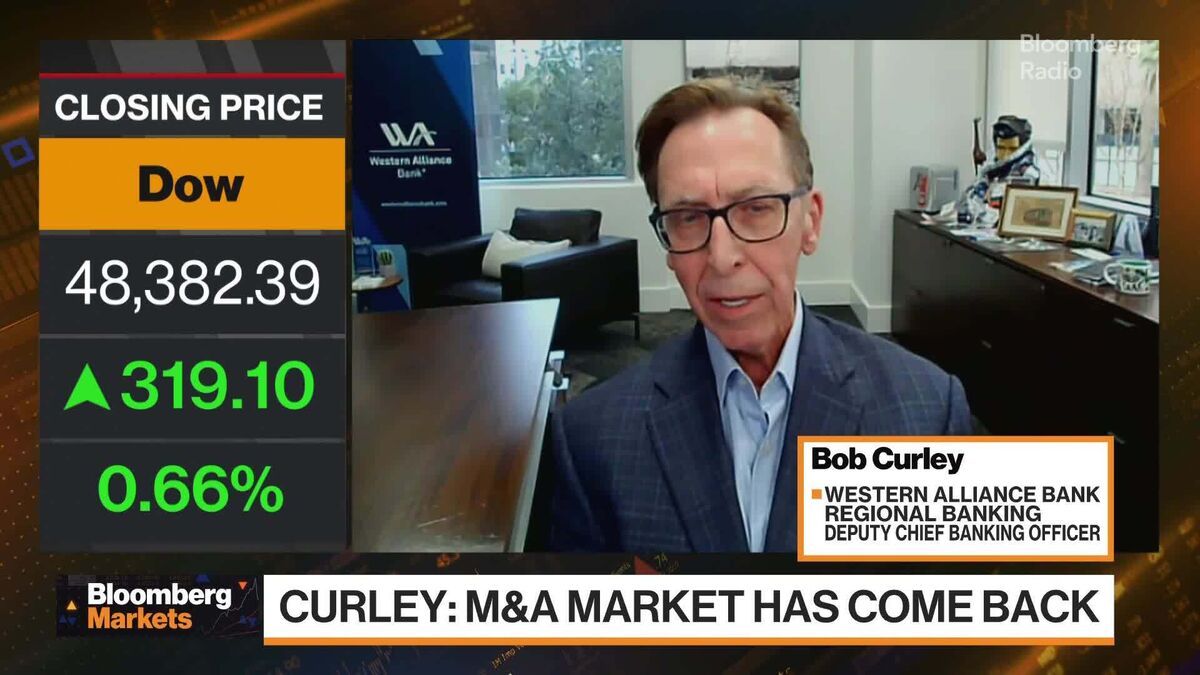
The Role of AI in Venture Capital: Insights from Bob Curley
In a recent interview with Bloomberg, Bob Curley, the deputy chief banking officer of regional banking at Western Alliance Bank, shared illuminating insights into the transformative impact of artificial intelligence (AI) on the venture capital landscape. As a veteran in the banking sector, Curley brings a wealth of experience to the table, offering a unique perspective on how technology is reshaping finance, especially in areas like energy and science.
AI as the Backbone of Venture Capital
Curley emphasized that AI is not just a tool but the backbone of the venture capital ecosystem today. This foundational role implies that AI technologies are molding investment strategies, facilitating more nuanced data analysis, and enabling deeper insights into market trends. By leveraging AI, venture capitalists can better assess the viability of startups, analyze consumer behaviors, and predict market shifts. This evolution allows investors to make more informed decisions, reducing risk and enhancing the potential for substantial returns.
Accelerated Growth in Energy and Science
One of the most exciting developments Curley pointed out is the acceleration of venture capital activity in the sectors of energy and science, driven largely by AI advancements. As societies increasingly prioritize sustainability, companies innovating in clean energy technologies are capturing investors’ attention. AI systems play a crucial role here, as they optimize energy grid management, enhance efficiencies in renewable energy production, and even contribute to breakthroughs in battery technology. This intersection of AI and sustainability presents not only a lucrative opportunity for investors but also a chance to address critical global issues.
The Rebound of the M&A Market
Curley also noted that the mergers and acquisitions (M&A) market has rebounded, providing additional sources of liquidity in the venture capital arena. Following a brief downturn, M&A activity has surged, signaling a renewed appetite for consolidation and collaboration. This resurgence is beneficial for venture capitalists who now have more options for exits, mergers, and collaborative ventures with established firms. The liquidity generated from M&A activities can further fuel investments in innovative startups, creating a symbiotic relationship between growth capital and established players.
Navigating Challenges in a Fluid Market
Despite the optimism surrounding AI and M&A, Curley acknowledged that challenges remain in a fluid market. Rapid technological advancements, shifting consumer preferences, and economic uncertainty pose hurdles for venture capitalists. For investors, keeping pace with technology while navigating regulatory landscapes is crucial for sustained growth. Curley’s insights highlight the necessity of adaptive strategies that respond to the fast-evolving environment, especially as emerging technologies continue to upend traditional business models.
The Human Element in Technological Integration
As engaging as it is to discuss the technological advancements driving venture capital, Curley also hinted at the importance of retaining a human touch. While AI can crunch numbers and predict trends, the role of experienced investors in interpreting this data remains indispensable. The emotional intelligence and strategic thinking that seasoned professionals bring to investment decisions cannot be overstated. By melding human insight with AI capabilities, venture capitalists can position themselves to harness the full power of technology while making decisions that resonate on a personal level.
Towards a Future Driven by Innovation
Looking forward, Curley’s outlook suggests that as AI continues to mature, its implications for the venture capital landscape will only deepen. Investors will likely see increased integration of AI in decision-making processes, further diversifying the types of innovations that receive funding. With the acceleration in sectors like energy and science, along with a revitalized M&A market, the future seems brimming with opportunities for well-informed investors willing to embrace the technological shifts ahead.
In a world where technology and finance intersect more than ever, Bob Curley’s insights illuminate the evolving dynamics of venture capital. His perspective serves as a guide for navigating an increasingly complex investment landscape, where innovation is not just an option but a necessity for success.