


India’s Aviation Industry: Navigating Turbulent Skies
India’s aviation sector is experiencing a pivotal moment, marked by crises at its leading carriers. This turbulence not only tests the resilience of these airlines but also highlights significant underlying issues within the rapidly expanding market. Understanding the current dynamics is essential for grasping the broader implications for travelers, the economy, and the future of air travel in India.
The Landscape of Indian Aviation
India boasts one of the fastest-growing aviation markets globally, fueled by a burgeoning middle class, increasing disposable incomes, and a rising appetite for air travel. Over the past few years, we have witnessed a surge in both domestic and international passenger traffic. Yet, this upward trajectory is juxtaposed with challenges that threaten to destabilize the industry. With a mix of low-cost airlines and legacy carriers, the competition is fierce, leading to aggressive pricing strategies that can sometimes compromise financial sustainability.
The Crises Unfold
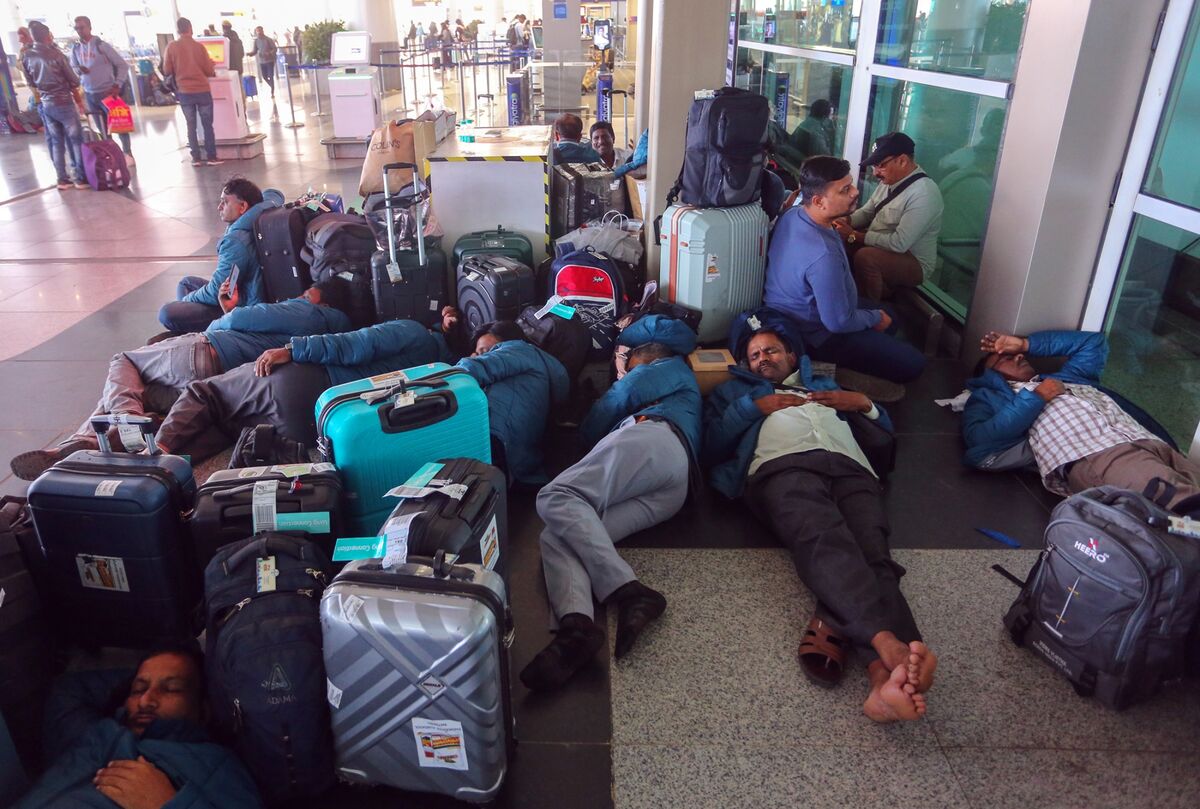
Recent events have placed India’s two dominant airlines under scrutiny. Issues such as operational inefficiencies, financial mismanagement, and customer dissatisfaction have emerged. For instance, one airline faced weeks of operational disruption due to maintenance and staffing issues, leaving countless passengers stranded. Meanwhile, another carrier struggled with mounting debts and a dwindling market share. These crises not only reveal the fragility of the airlines but signal a broader crisis of confidence within the industry.
Government Intervention: A Double-Edged Sword
In response to these crises, government intervention has become imperative. Authorities have stepped in to provide support and ensure the continuity of services, but this raises questions about market dynamics. While government aid can stabilize the immediate situation, it might also create a dependency that hinders long-term innovation and efficiency. Critics argue that injecting public funds without addressing systemic issues will only serve as a temporary fix for deeper problems.
Safety and Regulatory Challenges
Safety is paramount in aviation, and recent incidents have prompted renewed scrutiny of regulatory frameworks. The Directorate General of Civil Aviation (DGCA) has been called upon to enforce stricter regulations to ensure safety and operational efficiency. However, the challenge lies in balancing stringent oversight with the need to foster a competitive environment that encourages growth. Efforts to improve maintenance standards and operational protocols are essential, but they require cooperation from all stakeholders involved.
The Role of Technology
Embracing technology is pivotal for the future of India’s aviation industry. Innovations in digital ticketing, real-time data analytics, and improved customer service platforms can enhance operational efficiency and passenger experience. Airlines that invest in these technologies stand to gain a competitive edge, but the initial costs can be a barrier for some operators. As the market evolves, the integration of technology will play a crucial role in reshaping the aviation landscape.
Consumer Trust: Rebuilding Confidence
With the recent crises casting doubts over reliability, rebuilding consumer trust is paramount. Passengers are increasingly vocal about their experiences, turning to social media to express frustrations and share their stories. Airlines must prioritize transparent communication and offer exceptional customer service to regain loyalty. Implementing feedback mechanisms and actively addressing consumer grievances will be essential in restoring confidence and improving brand perception.
Competition and Market Dynamics
The competition within India’s aviation sector is intensifying, with new entrants constantly challenging established players. Low-cost carriers have changed the game, forcing traditional airlines to adapt their strategies. This competitive environment can lead to lower fares, benefiting consumers substantially. However, it can also escalate the race to the bottom in terms of service quality and operational integrity.
Environmental Considerations
As the industry grows, environmental sustainability is becoming a pressing concern. The aviation sector is a significant contributor to carbon emissions, and with growing awareness and regulation around environmental issues, Indian carriers face pressure to implement greener practices. Strategies such as investing in fuel-efficient aircraft, offsetting emissions, and optimizing flight paths are steps that must be taken to align with global sustainability goals.
Future Outlook
The outlook for India’s aviation industry is both promising and precarious. As the country rebounds from the pandemic, there is potential for recovery and growth; however, the path forward is fraught with challenges. The ability to adapt to changing market dynamics, embrace technological advancements, and prioritize safety and sustainability will ultimately determine which airlines thrive in this competitive landscape. With the right strategies and investment, the industry can navigate these turbulent times and emerge stronger.
India’s aviation sector stands at a crossroads, where the decisions made today will shape its future trajectory. Engaging in thoughtful discourse about these challenges will be essential for stakeholders, policymakers, and consumers alike as they work together to ensure a stable and prosperous aviation landscape.