


### Background of the Controversy
New York City Mayor Zohran Mamdani is currently at the center of a heated debate surrounding his newly appointed housing official, Cea Weaver. The backlash stems from Weaver’s past social media posts that have resurfaced, prompting discussions about their implications for her role in the Mayor’s Office to Protect Tenants. It’s a situation that not only raises questions about individual accountability but also highlights the complexities of navigating social justice issues in modern politics.
### Cea Weaver’s Appointment
Cea Weaver, a seasoned tenant activist, was appointed executive director of the Mayor’s Office to Protect Tenants last week. Mamdani emphasized the need for empowering this office to take “unprecedented” action against negligent landlords, pledging to address the longstanding housing crisis that affects so many New Yorkers. Weaver’s experience includes leading the Housing Justice for All coalition, which played a pivotal role in enacting a comprehensive tenant protection law in 2019.
### The Resurfaced Posts
However, Weaver’s past posts—now deleted—have drawn scrutiny for advocating the seizure of private property and labeling homeownership as a “weapon of white supremacy.” These statements were circulated widely on social media, leading to criticism from various high-profile figures, including officials from the U.S. Department of Justice and the editorial board of The Washington Post.
One particularly controversial tweet from 2017 claimed homeownership was a façade for wealth-building public policy that perpetuated racial inequities. Comments like “impoverishing the white middle class” further fueled the backlash, prompting condemnation even from fellow Democrats, such as former Mayor Eric Adams, who described the remarks as indicative of “extreme privilege and total detachment from reality.”
### Mamdani’s Defense
When pressed on Weaver’s controversial statements, Mayor Mamdani opted not to directly engage with the content of her posts. Instead, he underscored Weaver’s commitment to tenant advocacy across the city and state. Mamdani’s reluctance to delve into the substance of the posts signals a strategic choice to focus on housing policy rather than allowing personal opinions from the past to dominate the narrative.
### Weaver’s Response
In a local TV interview, Weaver acknowledged her previous tweets, describing them as “regretful” and stating they do not reflect her current viewpoints. She maintained that her primary focus now is on ensuring everyone has access to safe and affordable housing, irrespective of whether they rent or own. This pivot illustrates her awareness of the need for broad-based support, which is vital in a role aimed at bolstering tenant rights.
### Previous Controversy in the Administration
This situation comes on the heels of a previous resignation within Mamdani’s administration. Catherine Almonte Da Costa, another official, resigned after the Anti-Defamation League highlighted past antisemitic social media postings. While Mamdani claimed ignorance regarding Da Costa’s posts, the fact that Weaver’s views were known prior to her appointment adds another layer of complexity to the narrative surrounding this administration.
### The Challenges Ahead
Weaver’s leadership in the housing protection office places her at the forefront of one of Mamdani’s most contentious campaign promises: compelling negligent landlords to sell their properties if they cannot address violations or fines. This so-called “public stewardship” initiative has generated mixed reactions from landlord associations and skepticism from various sections of city governance.
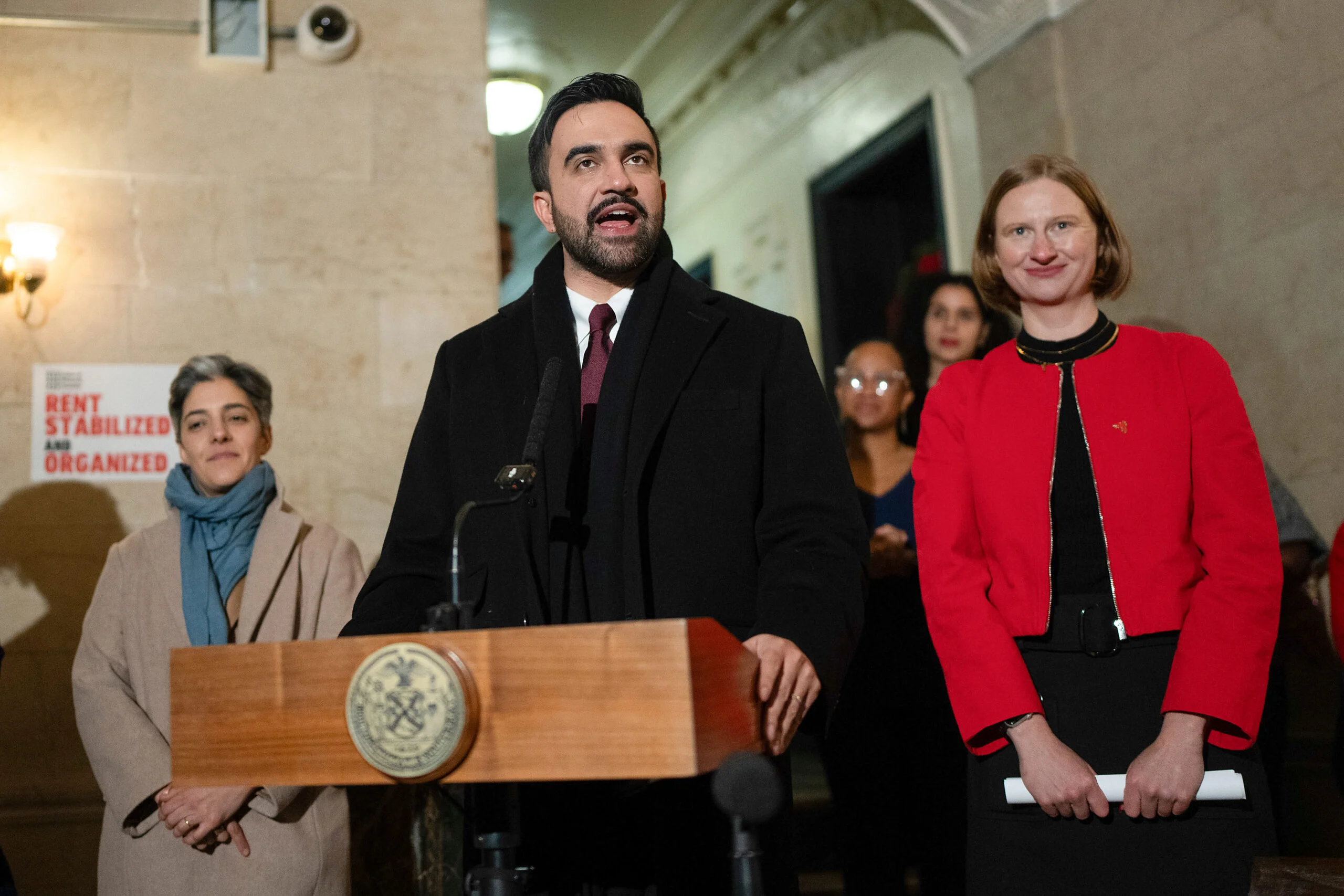
During her introductory press conference following her appointment, Weaver acknowledged the considerable challenges lying ahead. “New York is home to some of the most valuable real estate in the world,” she said. “Everything about New York politics is shaped by this reality.” The implications of that statement resonate throughout discussions on housing policy, signaling the intertwined nature of real estate and political dynamics.
### The Road Forward
Mayor Mamdani’s early actions suggest a determination to pursue radical reforms in how housing is managed in New York City. Following his inauguration, he indicated plans to take “precedent-setting” actions against a Brooklyn landlord owing significant debts to the city, coupled with Weaver’s appointment, seems to resonate with grassroots tenants’ movements—at least for now.
In conclusion, the unfolding situations surrounding Weaver’s appointment and Mamdani’s administration highlight the tension between progressive policy initiatives and the implications of past opinions in the political arena. As this story evolves, it remains to be seen how the administration will navigate these complex challenges while remaining true to its mission of ensuring housing justice for all.