


### A Paradigm Shift in U.S. Foreign Policy: Withdrawal from Global Organizations
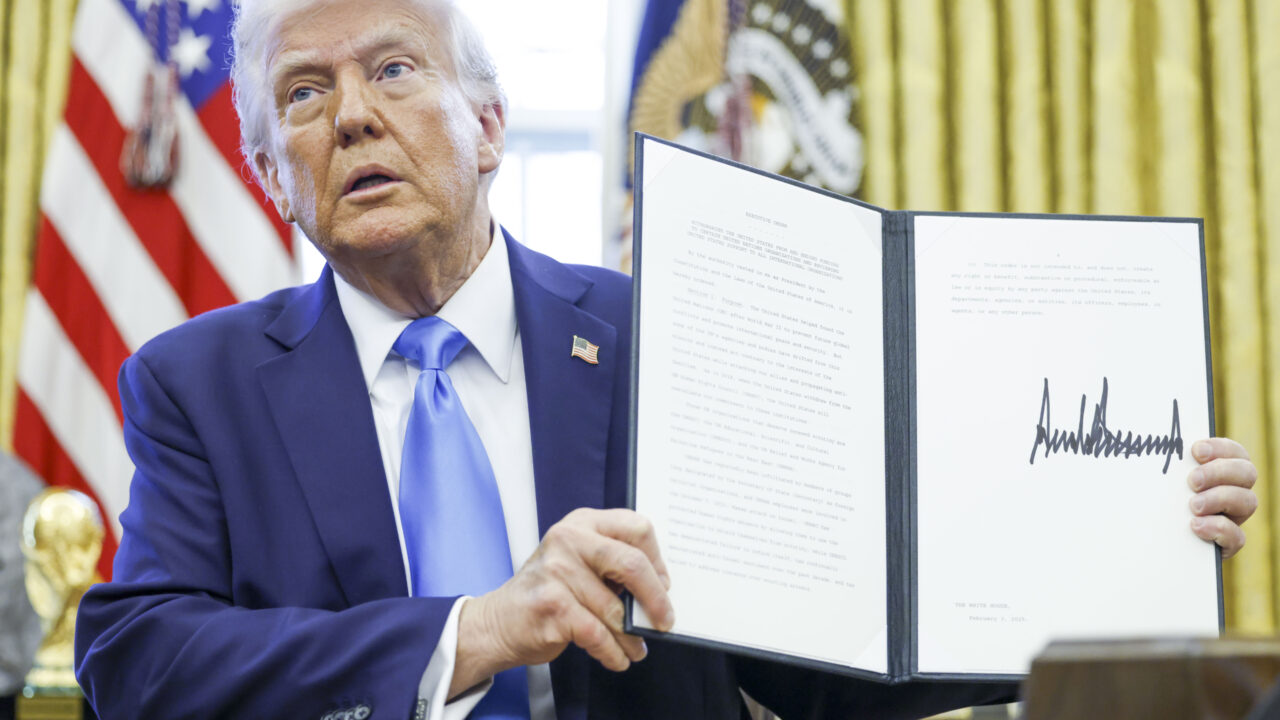
On a pivotal Wednesday, President Donald Trump escalated the United States’ retreat from multilateral cooperation by ordering the withdrawal from 66 international organizations. This includes significant United Nations agencies that tackle crucial issues such as population, climate change, labor, and migration. The move marks a departure from longstanding U.S. engagement in international affairs, fundamentally altering the landscape of global diplomacy.
### The Executive Order and Its Implications
The decision, made through an executive order, suspends U.S. support for numerous organizations following a comprehensive review conducted by the administration. Officials from the White House indicated that many of these agencies focus on climate policy, labor standards, and social issues—domains that the Trump administration has criticized as endorsing what they label “woke” initiatives. The organizations affected include highly regarded entities with global outreach, like the U.N. Framework Convention on Climate Change (UNFCCC) and the U.N. Population Fund, as well as non-U.N. bodies like the Partnership for Atlantic Cooperation and the Global Counterterrorism Forum.
### Criticism from Various Quarters
The ramifications of such withdrawals extend beyond the mere loss of funding. Critics argue that the approach could severely undermine global efforts to mitigate climate change. Gina McCarthy, the former national climate adviser, described the decision as “shortsighted, embarrassing, and foolish,” stressing that it compromises decades of American leadership in global climate negotiations. The withdrawal from the UNFCCC, a cornerstone treaty for international climate action, raises concerns that it could prompt other nations to backslide on their commitments, potentially stalling significant climate progress.
### The U.N. Population Agency: A Longstanding Target
Another significant withdrawal is from the U.N. Population Fund, an agency that provides essential sexual and reproductive health services worldwide. This agency has been a longstanding target of Republican criticism, particularly during Trump’s first term, when U.S. funding was cut following allegations of coercive practices in China—allegations that a later Biden administration review found to be unfounded. This withdrawal signals a continued push against international advocacy for reproductive rights, dampening global progress in this essential area of public health.
### The Broader Context of U.S. Foreign Policy
These withdrawals occur amid a broader reevaluation of U.S. foreign policy, which has sent ripples through the international community, leaving allies and adversaries alike unsettled. The move follows earlier decisions to withdraw funding from significant bodies like the World Health Organization and the U.N. Human Rights Council, showcasing an “à la carte” approach to multilateralism. Analysts suggest that this strategy reflects a stark U.S. vision of international cooperation framed in terms favorable to its national interests.
### Future Prospects: A Shift in U.S. Priorities
Despite such drastic measures, administration officials contend that the United States is not completely abandoning international cooperation. They emphasize that resources will be redirected to organizations where the U.S. can position itself competitively, particularly concerning nations like China. Entities such as the International Telecommunications Union and the International Maritime Organization are now seen as more aligned with U.S. strategic interests.
### Ongoing Reviews and Potential Further Withdrawals
The State Department has indicated that reviews of additional international organizations are underway, hinting that more withdrawals could be on the horizon. This suggests an ongoing reassessment of U.S. engagement in global governance, driven by a belief that American interests should dictate the terms of international collaboration.
### Conclusion: An Uncertain Path Ahead
In this rapidly changing global landscape, the decisions taken by the Trump administration are setting a precedent for future U.S. foreign policy. As international relations continue to evolve, the implications of these withdrawals will undoubtedly resonate beyond the immediate context, shaping international cooperation for years to come.