


The Reality of Flooding in Cahokia Heights: A Struggle for Infrastructure and Justice
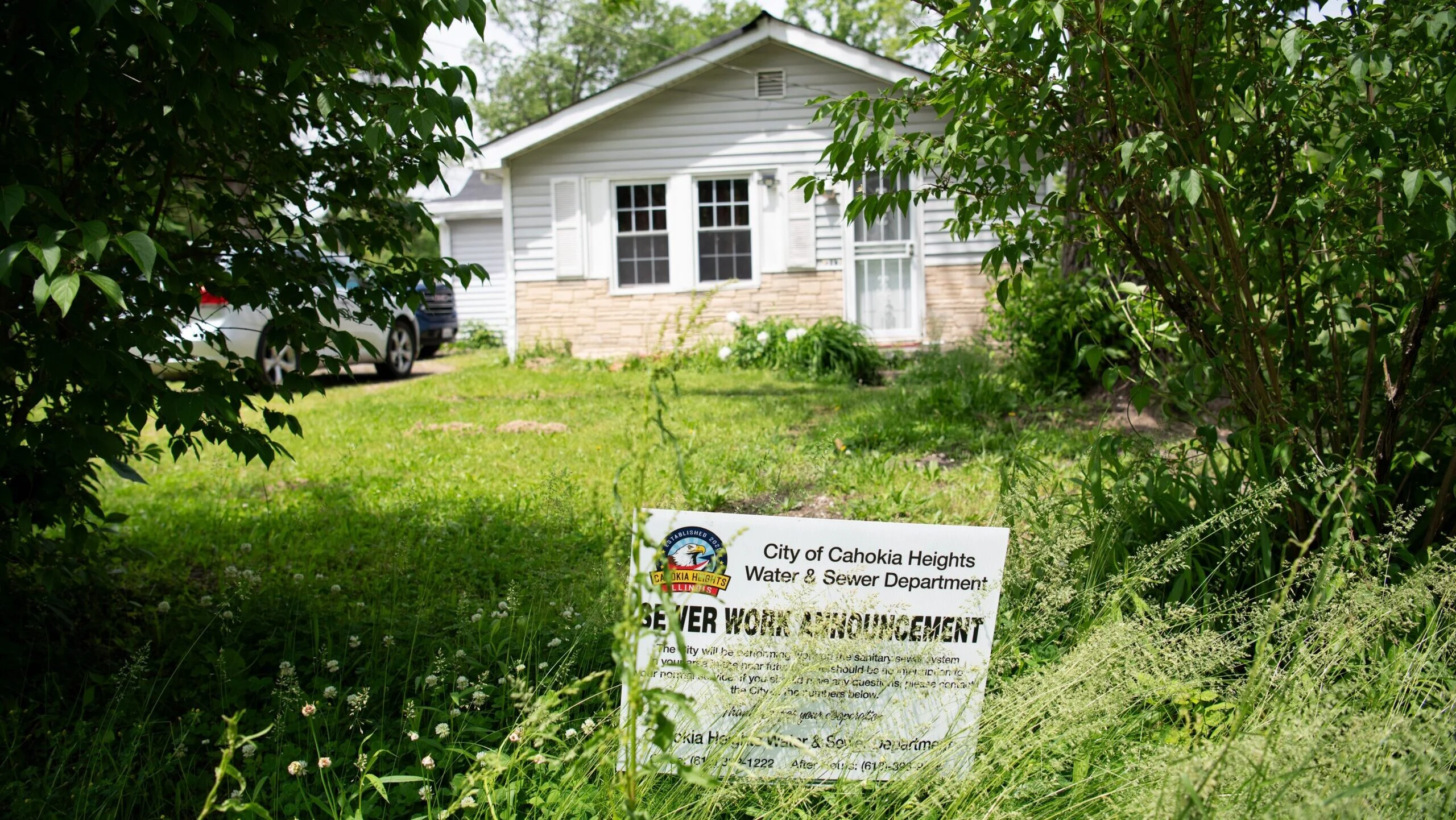
Yvette Lyles had dreamt of a new beginning when she purchased a modest brick ranch home in southern Illinois, envisioning it as a Christmas present for her family. The location was perfect—close to a state park where her children could picnic, fish, and enjoy the serene outdoors together. However, that dream quickly turned sour when her family encountered a harsh reality: recurring floods that sent untreated sewage cascading into their streets, yards, and, ultimately, their home.
A Flooded Disruption of Family Life
The first flood that affected Lyles’ family was nothing short of traumatic. Trapped indoors for days, the family’s sanctuary transformed into a distressing environment. “I had to turn my back so my children wouldn’t see me cry,” Lyles recounted. Her experience reflects a grim reality shared by many in Cahokia Heights, a city where a significant population faces an uphill battle against an outdated and fragile wastewater system.
The Broader Context: Aging Infrastructure
Cahokia Heights—predominantly Black and home to many families living in poverty—is emblematic of a larger national issue: numerous communities across the country grapple with aging and decrepit wastewater systems. Many of these places are underserved and lack the financial resources or expertise to implement necessary upgrades. As untreated sewage backs up through plumbing or floods homes, residents are at increased risk of health issues, a situation that’s particularly dire in rural areas and declining cities.
The Impact of Policy Changes
The urgency of addressing these infrastructural challenges has been further exacerbated by shifts in government policy. Under the Trump administration, multiple grants and loans designed to remedy racial and economic disparities were abruptly canceled or aimed for elimination. High-profile projects designed to assist majority-Black areas in Alabama, such as a $14 million initiative for septic systems, faced elimination, leaving communities stranded without viable options for sanitation and waste removal.
The Federal Role in Environmental Justice
In response to these mounting issues, the Biden administration’s Bipartisan Infrastructure Law pledged hundreds of millions to rectify longstanding inequities. However, the message of these initiatives was muddied by the actions of the previous administration—cancelling the Environmental Protection Agency’s (EPA) Environmental Justice office and retrenching funding for projects aimed at addressing climate adaptation in underserved communities.
Local Voices and Personal Experiences
Patricia Johnson, a Cahokia Heights resident, finds herself battling against the sewage backups that have worsened over the years. “It is just bad,” she said. The emotional toll is palpable; mosquitoes breed in the standing water around her home, compounding the problem. Johnson’s experience underscores a chilling reality that has persisted in this community. The U.S. Justice Department recently mandated a $30 million investment for sewer upgrades, but local officials have expressed concerns over securing adequate funding—especially amid federal budget cuts.
The Health Crisis in Overlooked Communities
There’s a palpable disconnect in the widespread perceptions of public health crises in the U.S. Many may believe such issues are relics of the past, yet stark evidence suggests otherwise. Recent studies showed alarming levels of infection from intestinal parasites among children in impoverished towns like Shaw, Mississippi, where sewage systems fail during storms. The situation is similar in Cahokia Heights: Lyles believes her health complications, including a serious bacterial infection, originated from exposure to raw sewage in her home.
The Vicious Cycle of Underfunding
Moreover, findings reveal that millions of Americans are served by wastewater systems falling drastically short of federal pollution limits. As conditions further deteriorate, the estimated funding needed for infrastructure improvements has skyrocketed to around $630 billion over the next two decades. The lack of financial support often leaves disadvantaged communities without the means to conduct the necessary studies and applications needed to secure funding for improvements.
The Complexity of Advocacy and Support
Advocates for underserved communities argue that labeling initiatives as “diversity and inclusion” fails to capture the severity of the issues faced by many. Catherine Coleman Flowers, founder of the Center for Rural Enterprise and Environmental Justice, stresses that this is fundamentally an infrastructure and health crisis. The monumental challenge of getting assistance is further complicated by an environment where projects for minority communities are often sidelined.
In Alabama, for example, Sherry Bradley noted how her organization had to strip away references to environmental justice or poverty to secure funding. Yet, despite these efforts, projects like engineered septic systems remain halted, leaving countless residents in limbo.
The Road Ahead: Challenges and Opportunities
As the landscape of federal funding continues to evolve, many communities remain in despair—hoping to see a day when they can have reliable and safe sewage systems. Yet, inadequate funding mechanisms and the cancellation of assistance programs create substantial barriers to progress.
In conclusion, the struggle for proper sewage infrastructure in places like Cahokia Heights isn’t simply a local problem; it’s a reflection of systemic inequities permeating through communities across the nation. Families long for the dignity of safe, healthy living conditions—an expectation that should be a given, yet remains a distant hope for many.