


Switzerland’s Economic Resilience: A Business-Friendly Haven
Switzerland, often celebrated for its stunning landscapes and high quality of life, is also a powerhouse in the realm of economics. With an economy characterized by stability, innovation, and a favorable business climate, it’s no wonder that companies from around the globe are drawn to this Alpine nation. One of the unique aspects of Switzerland’s labor market is its flexible policies, allowing businesses a level of operational fluidity that can seem daunting compared to other European countries. Let’s delve deeper into what makes Switzerland a beacon of economic resilience.
A Dynamic Labor Market
Switzerland’s labor market operates under a unique set of rules that seem to prioritize both business needs and employee rights. One of the eye-catching features is the relatively low level of job protection compared to many neighboring countries. This flexibility means that companies can make swift staffing decisions, including layoffs, in response to changing market demands. While this might raise eyebrows in terms of worker stability, it actually contributes to a dynamic economy where firms can adapt and remain competitive.
Low Unemployment Rates
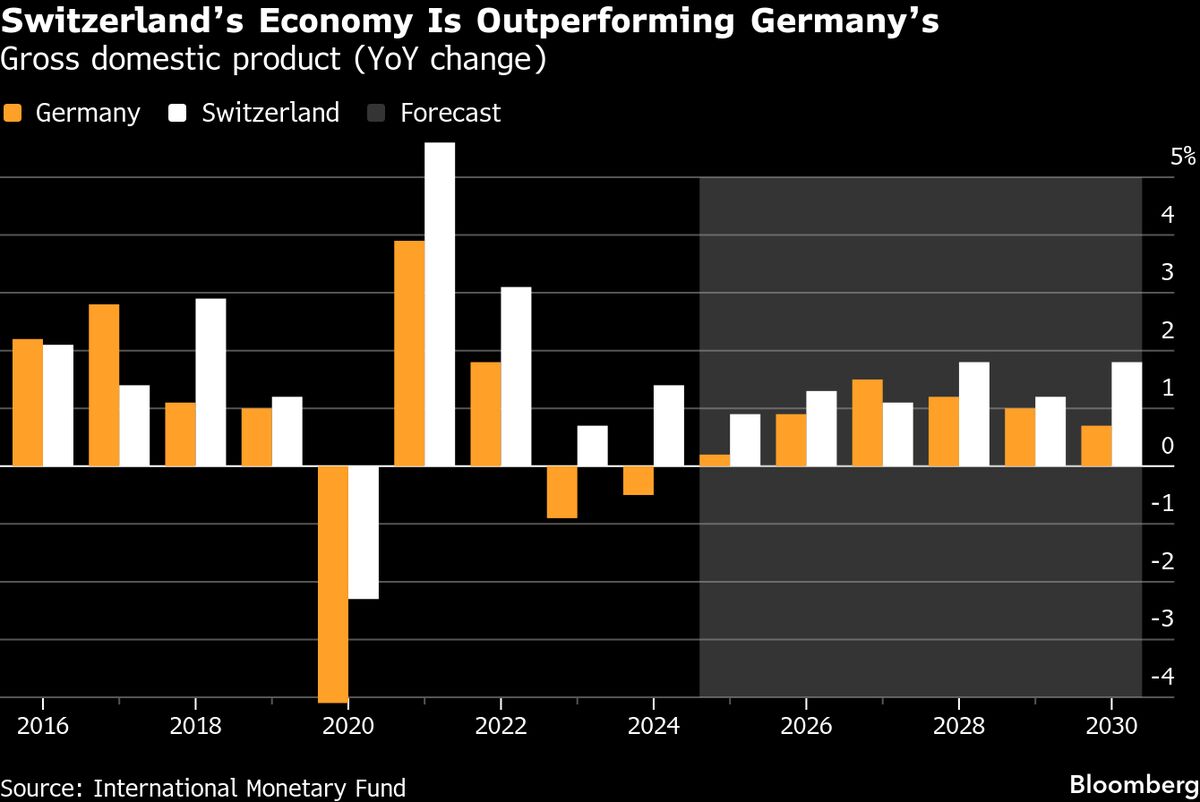
Amidst the discussions on labor flexibility, it’s important to note that Switzerland boasts one of the lowest unemployment rates in Europe. The Swiss economy has shown remarkable resilience, bouncing back from global economic downturns more robustly than many of its peers. This is not merely luck but rather a reflection of a structured approach to economic management, with an emphasis on maintaining low inflation and encouraging a culture of innovation.
Business-Friendly Regulatory Environment
Switzerland is often lauded for its regulatory framework that strikes a balance between encouraging entrepreneurship and protecting workers. The country’s pro-business sentiment is rooted in its political structure, which emphasizes decentralization. Local governments have significant autonomy to create policies that foster local economic development. This localized approach enables businesses to operate in a manner that aligns closely with community needs, fostering a sense of partnership between the public and private sectors.
Tax Advantages
Another compelling aspect of Switzerland’s appeal is its favorable tax regime. The country is known for having relatively low corporate tax rates compared to its European neighbors. This tax-friendly environment attracts multinational corporations seeking to optimize their operational expenses. Furthermore, various cantons (the Swiss equivalent of states) offer additional incentives, making it a lucrative destination for companies looking to establish a base in Europe.
Innovation and Education
Switzerland’s strong emphasis on education and innovation is another cornerstone of its economic resilience. With a strong vocational education system, the country produces a skilled workforce that meets the demands of diverse industries, from finance to technology. Swiss universities, consistently ranked among the top in the world, contribute to a continuous flow of research and development, ensuring that the Swiss economy remains at the forefront of technological advancements.
Robust Financial Sector
The Swiss financial services sector is another pillar of its economic stability. Renowned for its banking system’s reliability, Switzerland serves as a hub for wealth management and investment banking. The financial services industry not only contributes significantly to the GDP but also enhances the global prestige of the Swiss economy. With a reputation for discretion and professionalism, Swiss banks attract clients from all over the world, further solidifying the country’s standing as a global financial center.
Social Stability and Quality of Life
A factor that often gets overshadowed in discussions about economic resilience is the social stability that Switzerland enjoys. The country’s well-developed social safety nets and high standards of living contribute to a content populace, which, in turn, fosters a productive workforce. While businesses have the flexibility to make difficult staffing decisions, the overarching social framework ensures that citizens have access to support when needed, promoting a sense of community and shared responsibility.
Conclusion: A Model for the Future
While this exploration has not formed a traditional conclusion, it does highlight the key elements of Switzerland’s economic resilience. By fostering a business-friendly environment while maintaining low unemployment rates, Switzerland serves as a model for balancing economic dynamism with social stability. As global economies continue to grapple with uncertainties, the Swiss model provides valuable insights into creating a vigorous and sustainable economic landscape.