


The Rise of GLP-1s: A Revolutionary Approach to Weight Loss
In recent years, the landscape of weight loss has been significantly transformed by a new class of medications known as GLP-1 receptor agonists, with Ozempic being a frontrunner. Originally developed to manage type 2 diabetes, these drugs have attracted attention for their dramatic effects on appetite suppression and weight loss. But what does this mean for social behaviors, particularly dining out?
Understanding GLP-1s and Their Impact on Hunger
GLP-1, or glucagon-like peptide-1, is a hormone that plays an essential role in regulating appetite and insulin secretion. When GLP-1 receptor agonists like Ozempic are introduced into the bloodstream, they mimic the natural hormone’s effects. Users often report significant reductions in hunger and cravings, leading to weight loss. This appetite-suppressing effect can be a game-changer for many struggling with obesity and related health issues.
Dining Out: A Paradoxical Behavior
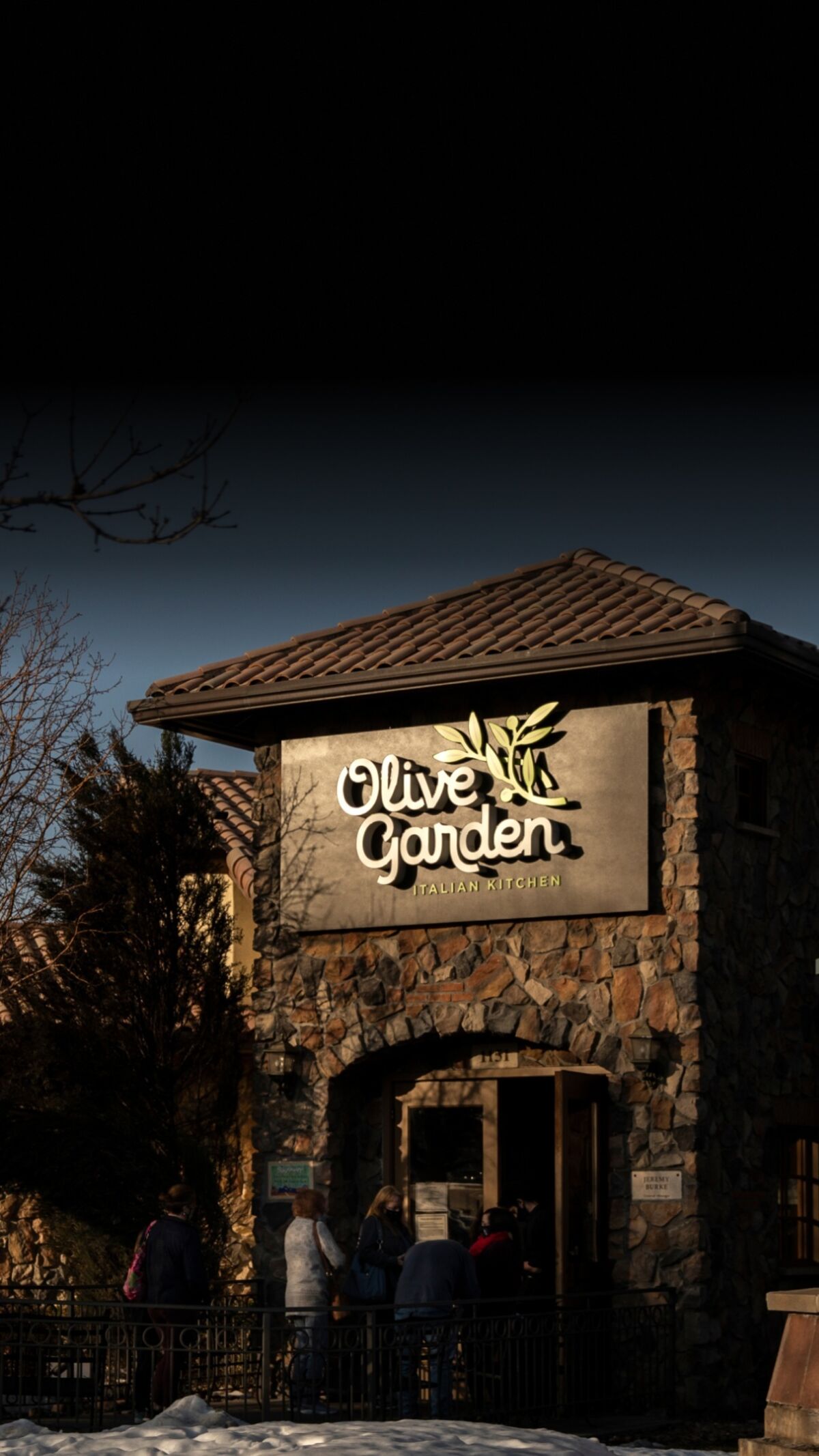
Despite the appetite-suppressing benefits of GLP-1s, there’s a fascinating trend emerging: individuals on these medications are still frequently dining out. This paradox raises questions about the motivations behind restaurant visits. While one might assume that reduced hunger would lead to eating less in social settings, many are finding that the social experience of dining is simply too enticing to resist. The atmosphere, connection with friends, and pleasure of food still hold significant value, even for those taking these medications.
Economic Implications for the Restaurant Industry
As more people turn to GLP-1s for weight loss, the restaurant industry may unexpectedly benefit from this trend. With appetite suppression allowing for smaller consumption sizes, diners are more likely to explore a variety of menu items, leading to higher expenditure per visit. Instead of indulging in larger portions of fewer items, people often try more shared dishes, engaging in a diverse culinary experience.
The Social Elements of Eating
Food is often intertwined with social interaction, and dining out brings opportunities for connection that go beyond mere nourishment. The experience of gathering with friends, celebrating milestones, or simply escaping the routine is precious. For many individuals taking GLP-1s, the joy of these experiences outweighs the immediate need to consume large quantities of food. As the podcast featuring Bloomberg Businessweek’s Deena Shanker discusses, this reflects a broader shift in how we perceive dining – as a celebration rather than a problem to be solved.
Behavioral Patterns and Food Choices
Individuals on GLP-1s might also exhibit different food choices while dining out. With reduced hunger, there may be a greater inclination to opt for healthier or lighter menu items. This can lead to restaurant menus evolving as they cater to an audience that is more health-conscious yet still values taste and experience.
The Future of Dining Out in the Era of GLP-1s
As the popularity of GLP-1 drugs continues to rise, it will be intriguing to see how restaurants adjust their offerings and marketing strategies. Expect to see more attention to sharing plates, lighter fare, and innovative health-conscious options that appeal to diners looking for both satisfaction and nutrition.
The Conversation Continues
This ongoing discussion among industry experts underscores the intersection of health, society, and commerce. The weight loss drug trend isn’t just shifting individual habits; it’s reshaping entire industries, including restaurants and hospitality. As diners continue to navigate their experiences with these medications, the broader implications on social behavior and economic structures will keep evolving, offering a compelling narrative for consumers and business owners alike.
Through this multifaceted lens, the relationship between GLP-1s and dining out serves as a microcosm of changing attitudes toward food, health, and well-being, reflecting a society in transition. This unique situation demands attention and understanding as we explore the complexities of modern life and the choices that define our dining experiences.