


Communication Between Iran and the U.S.: Unpacking Recent Developments
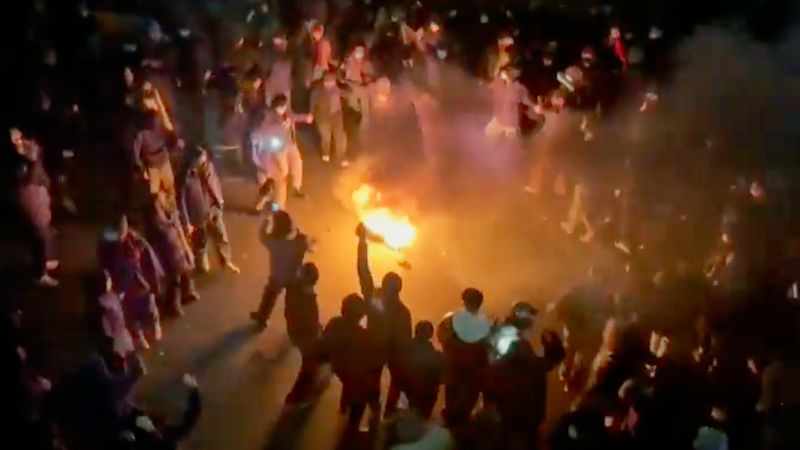
Recent interactions between Iran’s Foreign Minister Abbas Araghchi and Steve Witkoff, a special envoy under President Donald Trump, have stirred interest in the evolving dynamics of U.S.-Iran relations. The backdrop of these discussions is particularly poignant, given the ongoing tensions in the region and the protests in Iran that have drawn international scrutiny.
The Nature of Recent Communication
In the days leading up to these conversations, Araghchi reached out to Witkoff amidst intensifying discussions in Washington about potential U.S. actions regarding Iran’s domestic unrest. The unrest has been fueled by widespread discontent, prompting discussions about possible U.S. responses, which could further complicate an already fraught bilateral relationship.
The motives behind Araghchi’s outreach remain somewhat ambiguous. However, some U.S. officials perceive this as an attempt to de-escalate tensions, considering the harsh rhetoric emanating from the Trump administration. The nature of these conversations appears to be rooted in the desire to maintain open lines of communication, even when political climates are turbulent.
Historical Context of Dialogue
This is not the first time diplomatic channels between Iran and the U.S. have been established. Last year, Araghchi and Witkoff initiated discussions aimed at negotiating a nuclear agreement, following the U.S.’s withdrawal from the Joint Comprehensive Plan of Action (JCPOA). However, those talks foundered after U.S. airstrikes targeted Iranian nuclear facilities.
The recent outreach signifies a potential revival of dialogue, but whether it will lead to fruitful negotiations remains uncertain. The complexities of U.S.-Iran relations, marked by decades of mistrust and animosity, cast a long shadow over current interactions.
Trump’s Perspective
In a recent statement, Trump revealed that Iran had reached out to him just a day before to express interest in negotiations. His comments suggested a belief that Iranian leaders are weary of ongoing hostilities with the U.S., hinting at a readiness to engage in talks. “The leaders of Iran, they want to negotiate,” he asserted, portraying this outreach as a significant step towards diplomatic engagement.
This understanding not only reflects Trump’s perspective but also showcases how both nations might see an opportunity to recalibrate their relationship amid external pressures and public unrest within Iran.
The Iranian Government’s Position
Adding depth to these developments, Iranian foreign ministry spokesperson Esmail Baghaei confirmed that the communication channel between Araghchi and Witkoff “remains open.” This statement underscores Iran’s willingness to engage in dialogue and emphasizes that messages are communicated as necessary through established channels.
Baghaei’s remarks also indicate that certain points have been conveyed by the U.S., though specifics about these ideas remain undisclosed. This mutual acknowledgment of a communication channel could serve as a stabilizing factor in a volatile relationship, allowing both governments to navigate their differences more effectively.
Implications for Future Relations
The implications of this ongoing communication could extend beyond immediate diplomatic goals. The ability to maintain dialogue amidst rising tensions could pave the way for more constructive interactions in the future. Both sides have significant stakes in stabilizing their relationship, whether it be concerning nuclear negotiations, regional security, or domestic political considerations.
As this story unfolds, the world watches closely, recognizing that each step taken—whether towards diplomacy or conflict—carries the potential to reshape the geopolitical landscape. The commitment to dialogue, even when fraught with challenges, may offer a sliver of hope in an otherwise complex and often hostile interaction.