


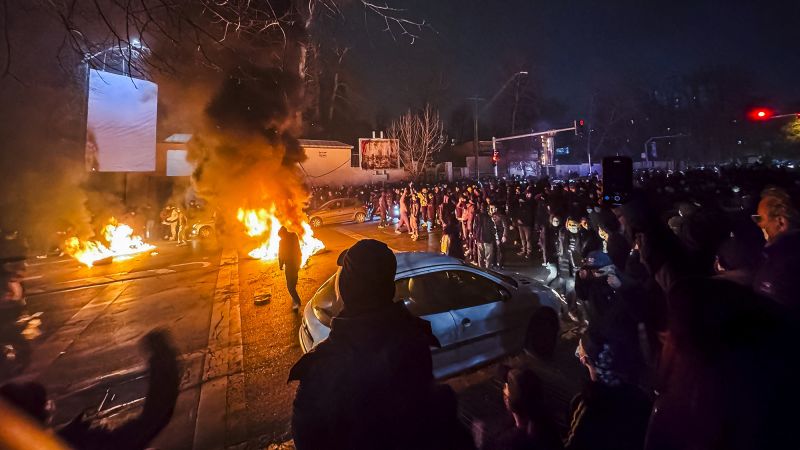
The Unfolding Crisis in Tehran: A City Divided
In recent days, Tehran has become a city torn apart by contrasts. Amidst the backdrop of anti-regime protests, some residents flee the unrest, while others prepare to join demonstrations after long workdays. This duality highlights the tension and fear gripping the Iranian capital.
A local, who preferred to remain anonymous due to safety concerns, described the situation: “During the day, the city feels eerily quiet, almost like a ticking clock waiting for an explosion of unrest at night.” As dusk falls, life shifts gears, and individuals change from their work attire to protest-ready outfits. They gather, mobilizing not only for their rights but for their futures.
Daily Life Amidst Danger
Tehran’s businesses reflect the city’s turbulent climate. Coffee shops and stores operate with a grim awareness of the chaos outside. “You’ll speak to people working in the coffee shops,” the source shared. “They finish their shifts at 6, go home, change, and head into the night.” For many, this is not merely a protest; it’s a fight for something they believe in—something worth risking it all for.
Despite the disquiet, some residents report a recent decline in the intensity of protests. Yet, the atmosphere is charged. Hospitals are reaching capacity, and cemeteries are overwhelmed, with some refusing to accept more bodies due to the rising numbers of casualties.
The Faces of Protest
Witness accounts from the early days of protests reveal a diverse picture. “The first two nights—the Thursday and Friday of the protests—were monumental,” the resident noted, highlighting the participation of varied demographics. “People of all ages came out; it was a true representation of Tehran, with young people marching alongside their parents.”
However, as the weekend approached, the tone shifted dramatically. “Saturday got really, really violent,” they recounted. “Many who once joined the protests decided it was too dangerous.”
Navigating Protest: A Sense of Individualism
For some, the motivations behind attending these protests are deeply personal. Acknowledging the risks involved, individuals are now choosing to go alone, allowing for a quicker, more agile response to the unpredictability of the situation. This level of strategic distancing may serve as a protective measure against both authorities and potential violence spiraling out of control.
However, with such outbursts of violence, personal safety has become a priority. Reports indicate that some protesters have armed themselves with makeshift weapons. The nature of these protests has turned into something that requires vigilance and careful navigation.
Organized Chaos: An Underlying Strategy?
The resident provided insight into a seemingly coordinated effort among some protesters. “It feels like there’s planning involved,” they noted. “The front lines consist of individuals who are directing the protests—choosing locations, start times, and even engaging in acts of vandalism.”
This observation raises questions about the dynamics of dissent in Iran. Are these protests entirely grassroots, or is there a more organized element at play? Amidst this uncertainty, speculation arises: some believe that the Iranian regime, or foreign powers, could be instigating the violence.
Devastating Conditions in Iran
While speculation about external influences hangs in the air, the everyday realities for most residents of Tehran paint a sobering picture. “People are just fed up with the current situation,” the resident explained. A sentiment echoed across many who find life increasingly unbearable, as economic hardships deepen.
“The situation is really, really dire; people are hungry and angry,” the resident expressed passionately. “Living costs are unattainable for the wealthy, let alone for the poor and lower classes.” This growing frustration serves as both a catalyst for protests and a stark reminder of the socioeconomic divides present within the country.
A City on Edge
Tehran stands as a microcosm of unrest and resilience. The recent movements against the regime offer a window into a society grappling with significant internal turmoil. Amidst a backdrop of cries for justice, the residents move between fear and hope, between retreat and protest—a portrait of a city on the edge.