


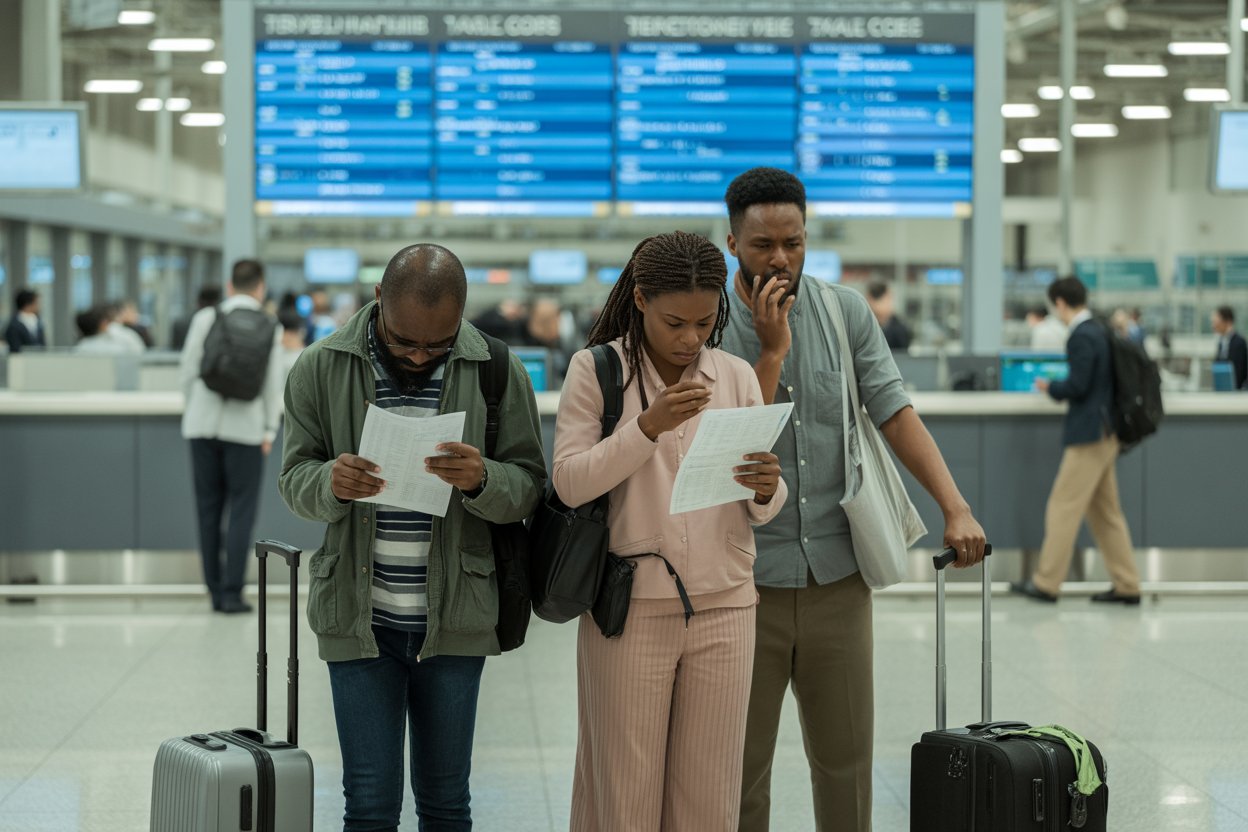
Why U.S. Travel Bans Are Hurting African Travelers – And What It Means for the Future of Tourism
In recent years, the United States has enacted a series of stringent immigration and travel policies that have significantly impacted travelers from African nations. These policies, which include an expanding travel ban and tighter visa restrictions, create considerable obstacles for numerous African citizens who wish to visit the U.S. Whether for tourism, business, education, or family reasons, many now face additional challenges. This article explores how these policy shifts are affecting African travelers, the broader implications for tourism and cultural exchange, and what these developments signify for U.S.-Africa relations.
Introduction: Expanding Travel Restrictions and Their Impact on Africa
The U.S. has historically been a sought-after destination for African travelers, drawn by opportunities for business, education, and leisure. Unfortunately, recent expansions of the travel ban and an intensification of immigration policies have led to increased visa rejection rates and prolonged wait times. Official reports from the U.S. Department of State indicate that several African nations are experiencing heightened scrutiny and travel hurdles that complicate entry into the U.S. This tightening of immigration policies is not only disheartening for individuals but also detrimental to sectors reliant on South-to-North travel, such as tourism and education.
The Effects on African Travelers
Increased Barriers for Tourism
Many African tourists wanting to visit the U.S. for holiday or sightseeing experiences now face significant hurdles. With stricter visa requirements and the imposition of travel bans, a considerable number of African nationals find themselves unable to enter the U.S. This presents a setback for those who have engaged in cultural exchange, vacationed, or attended business conferences in the past. Consequently, travelers may begin to divert their plans towards countries offering more accessible visa policies, hampering the U.S.’s potential tourism revenue.
Educational and Academic Setbacks
The U.S. has long been a favored destination for African students seeking higher education, particularly in disciplines like medicine, engineering, and business. However, the travel bans and increased visa restrictions have complicated the entry process for students from the continent. Heightened scrutiny during the application process and elevated costs associated with securing a visa may dissuade many from pursuing their academic aspirations in the U.S. The ripple effect of this trend could reduce academic exchanges and stifle opportunities for mutual understanding and collaboration in education.
Business and Professional Travel Impact
African professionals frequently journey to the U.S. for crucial business activities, conferences, and networking opportunities. However, as securing visas becomes increasingly elusive, professionals may struggle to attend pivotal industry events. This obstacle could impede economic growth and trade partnerships between the U.S. and African nations, limiting collaborative ventures in vital sectors such as technology, healthcare, and agriculture.
Economic Burden on African Travelers
The expansion of the travel ban and the tightening of immigration protocols impose an extra financial strain on African travelers. With higher costs for the visa application process and substantial documentation requirements, planning a trip to the U.S. becomes more cumbersome. This uncertainty, coupled with the prospect of eventual rejection, forces many travelers to reconsider their plans or seek alternative, more affordable travel destinations.
The Impact on U.S.-Africa Relations
The expanding travel restrictions and immigration policies might have significant ramifications for diplomatic and economic relations between the U.S. and African nations. Historically, the U.S. has held vital partnerships with African countries in various areas, including trade, development, healthcare, and security. Yet, these new policies could create tension, with African leaders perceiving the restrictions as unjust and harmful to their citizens.
Strained Diplomatic Relations
The U.S. immigration and travel policies have already led to discord with some African governments. Such measures may be viewed as discriminatory, potentially reversing strides made in U.S.-Africa relations. Restrictions disproportionately affecting African nations could hinder collaborative efforts on critical international issues like climate change, trade, and security.
Economic Implications
In light of the increased travel restrictions, African countries may look to diversify their international alliances, engaging with alternative partners such as China, Russia, or the European Union. This pivot could diminish the U.S.’s economic sway on the continent, particularly in crucial sectors such as trade, infrastructure, and development assistance.
Cultural Exchange Setback
The travel bans also stifle cultural exchanges between Africa and the U.S., traditionally vital for fostering mutual understanding and respect. With fewer African travelers visiting the U.S. and a downturn in American tourists to Africa, the channels for cultural learning and shared experiences risk widening.
The Future of African Travel to the U.S.
While the current landscape of U.S. travel restrictions poses significant hurdles for African travelers, the duration and evolution of these policies remain uncertain. As some travelers pivot towards nations with more favorable access, there is hope for diplomatic negotiations that might lead to policy revisions in the coming years. Additionally, African nations may continue to bolster their regional travel infrastructure and establish connections with countries like China and Russia, who are actively seeking to open doors for African travelers.
In this evolving situation, African travelers are likely to face challenges, yet they will also strive to explore new destinations that offer greater accessibility. This dilemma reflects a broader shift in global travel dynamics that may redefine the landscape for both African and American travelers, impacting personal journeys, cultural exchanges, and economic collaborations alike.