


The Arrest of Garrison Gibson: A Controversial ICE Operation
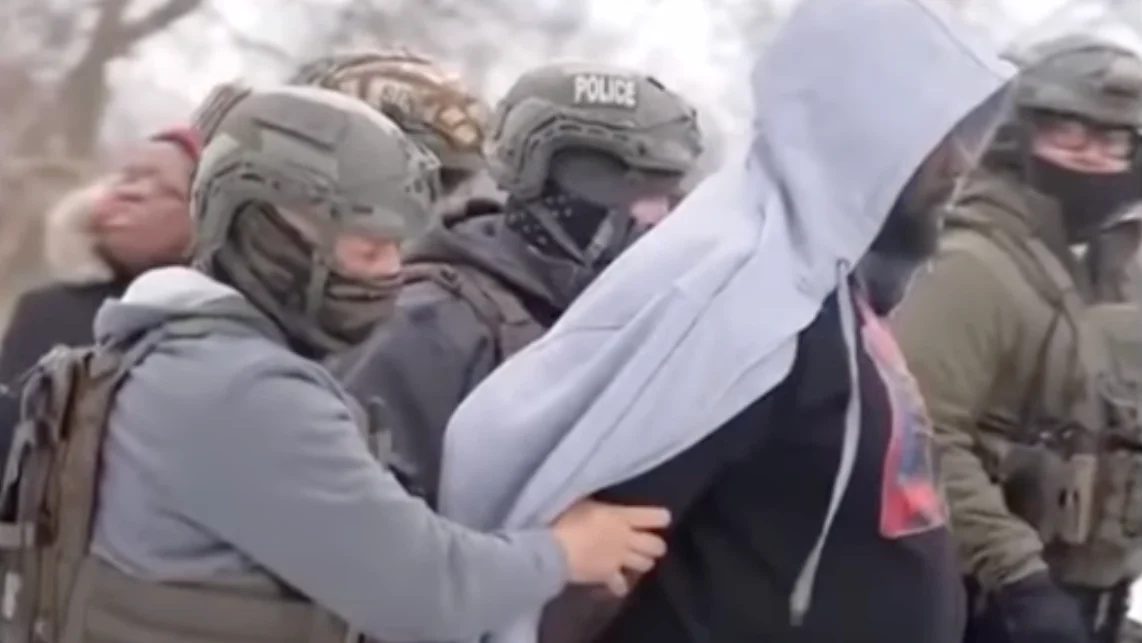
The recent arrest of Garrison Gibson, a 37-year-old Liberian man, has ignited a heated debate about immigration enforcement in the United States. The operation, conducted by ICE agents in Minneapolis, unfolded dramatically, capturing widespread attention and raising serious questions about the legality of the methods used.
The Incident: A Shocking Scene
On a Sunday morning, ICE agents arrived at Gibson’s home heavily armed, employing a battering ram to gain entry. The scene quickly turned distressing as family members and neighbors watched in horror while Gibson was taken into custody, handcuffed, and led away. Footage of this intense interaction swiftly circulated on social media, further fueling public outrage and concern.
Legal Concerns: A Potential Violation of Rights
Gibson’s attorney, Marc Prokosch, describes the situation as a “blatant violation” of legal protocols. According to Prokosch, the agents acted without a proper warrant; they only possessed an administrative warrant. While this type of warrant can authorize an arrest, it does not grant agents the right to forcibly enter a private residence. In contrast, a criminal warrant—signed by a judge—is required for such actions, especially when involving potentially violent entry.
Prokosch raised alarms about the implications of this event, emphasizing that any American should be terrified by such an egregious violation of the Fourth Amendment, which protects against unreasonable searches and seizures.
Background on Garrison Gibson
Garrison Gibson is not just a random individual caught up in immigration enforcement; his story is more complex. He fled the Liberian civil war as a child and had been living in the U.S. under an order of supervision. This status mandated regular check-ins with federal immigration authorities, something Gibson had complied with up until just days before his arrest.
Although Gibson had a drug conviction from 2008 that was subsequently dismissed, the narrative surrounding his legal status has led to conflicting reports. DHS Assistant Secretary Tricia McLaughlin subsequently described him as having “a lengthy rap sheet,” yet details of these charges remained vague and did not appear to correlate with crimes committed in Minneapolis.
The Immediate Aftermath
The immediate aftermath of Gibson’s arrest was chaotic and emotionally charged. His wife, Teyana Gibson Brown, was present during the raid, alongside their 9-year-old child, adding to the distress of the situation. As the scene unfolded, neighbors and local activists gathered, shouting slogans and attempting to disrupt the operation. Some activists were forcibly removed, illustrating the community’s deep concern and opposition to the tactics employed by federal agents.
Legal Proceedings: A Complicated Path Forward
After his arrest, Gibson was briefly transported to Texas by immigration authorities. However, a swift legal response led to his return to Minnesota following a habeas corpus petition filed by his attorney. This legal action is critical as it seeks to establish whether Gibson’s imprisonment is lawful. At present, the courts have yet to rule on the petition, leaving Gibson’s fate uncertain.
For now, he remains in an immigration detention center in Albert Lea, Minnesota. A judge has mandated that he not be moved while the Department of Homeland Security (DHS) is given additional time to respond to the allegations surrounding the arrest.
Broader Context: Immigration Enforcement and Public Response
This incident occurs against the backdrop of a contentious national dialogue regarding immigration policies and enforcement. Just days before Gibson’s arrest, a similar situation unfolded in Minneapolis involving ICE agents, where Renee Good, a U.S. citizen, was shot dead. This violent event has heightened awareness and concern about the methods employed by immigration enforcement.
The contrasting narratives surrounding individuals like Gibson and the rhetoric surrounding deportation highlight the complexities and human nuances involved in immigration enforcement. Community reactions are increasingly vocal, spanning a spectrum of opinions about the appropriateness and effectiveness of current policies.
As this case continues to unfold in the legal system, it serves as a reminder of the real human lives affected by immigration law and the often-overlooked stories behind enforcement actions. Each arrest carries with it not just legal implications, but also emotional and social repercussions extending beyond the individuals directly involved.