


Controversy Surrounds Canada’s Skeleton Team Ahead of Winter Olympics
Canada’s skeleton team has recently found itself at the center of a controversy involving allegations of unfair practices that could impact the qualifications for the upcoming Winter Olympics in Milano Cortina. Specifically, the allegations emerged when USA’s Katie Uhlaender, a five-time Winter Olympian, accused the Canadian team of deliberately withdrawing athletes from a crucial qualifying event in Lake Placid, New York.
The Allegations: A Tactical Withdrawal?
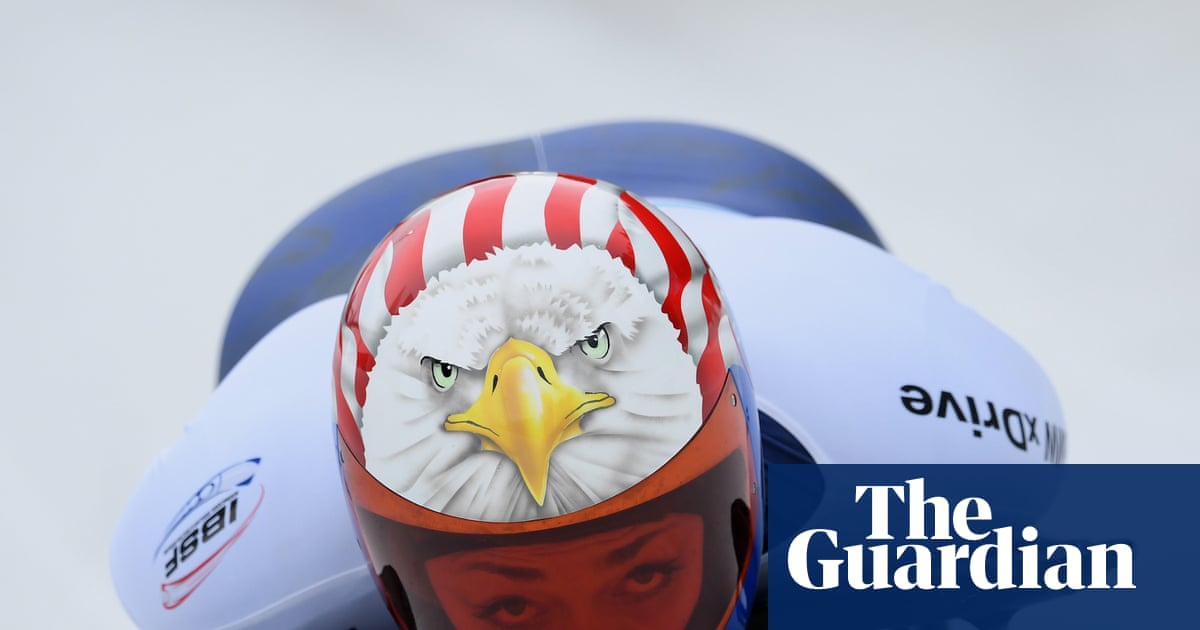
Uhlaender claimed that the Canadian team pulled four of its six athletes from the race to create a more challenging qualifying environment for competitors from other nations. This strategic maneuver reduced the number of qualifying points available, which directly impacted Uhlaender’s qualification for the Winter Games. Uhlaender won the event but felt the decision was detrimental to her chances of securing a spot in the Olympics, alleging that Joe Cecchini, head coach of Canada’s skeleton team, openly discussed this strategy with her.
The Official Response: Investigation and Verdict
In light of these serious claims, the International Bobsleigh & Skeleton Federation (IBSF) undertook an investigation. Ultimately, the federation announced that it would not pursue any action against the Canadian team. Their ruling clarified that current IBSF rules allow national federations the discretion to withdraw athletes from competition at any time, thus deeming the Canadian team’s actions compliant with regulations.
According to the IBSF’s statement, the Interim Integrity Unit evaluated the complaints and concluded that there were no grounds for a breach of international rules, code of conduct, or code of ethics. This verdict raised eyebrows among other national teams whose athletes were affected by the Canadian withdrawals.
Reactions from the Athletic Community
Coaches from various countries, including the US, Denmark, Israel, and Malta, voiced their “serious concerns” over the integrity of the qualification process following these withdrawals. In contrast, Bobsleigh Canada Skeleton defended the decisions made, citing the necessity for athlete rest after multiple races in a short timeframe. They argued that the coaching decisions were appropriate, transparent, and in line with both athlete welfare and the sport’s integrity.
Uhlaender’s Olympic Journey: A Bittersweet Ending?
The upcoming Winter Olympics may mark the final chapter in Uhlaender’s storied career. At 41, she has expressed that these Games will be her last, and the situation surrounding the qualification could overshadow what should be a moment of jubilation. Despite her impressive victory at the 2012 skeleton world championships, her nearest brush with Olympic glory came in 2014 when she finished fourth in Sochi, a sore spot for an athlete of her caliber.
Currently, Uhlaender still has a chance to qualify for the Games, although the remaining US spots are likely to go to other athletes like Kelly Curtis and Mystique Ro. As she navigates this contentious situation, Uhlaender’s path to the Olympics remains fraught with complexity.
The Larger Context: Spirited Rivalry and National Identity
The pent-up rivalry between Canada and the US adds an extra layer of tension to this already fraught situation. In recent months, the sports narratives between the two nations have been charged with political undertones, notably during events where Canadian fans booed the US national anthem and various public figures took to social media to express national pride and outrage over perceived encroachments by the US.
This backdrop of increasing rivalry makes the skeleton team’s controversy feel like part of a larger narrative—one in which sports is not just a competition but also a battleground for national identity and pride.
As the Winter Olympics approach, all eyes will be on how this situation unfolds and what implications it might have for the athletes involved, both on and off the track.