


The 500 Million Ticket Request Buzz: What Does It Mean for the 2026 World Cup?
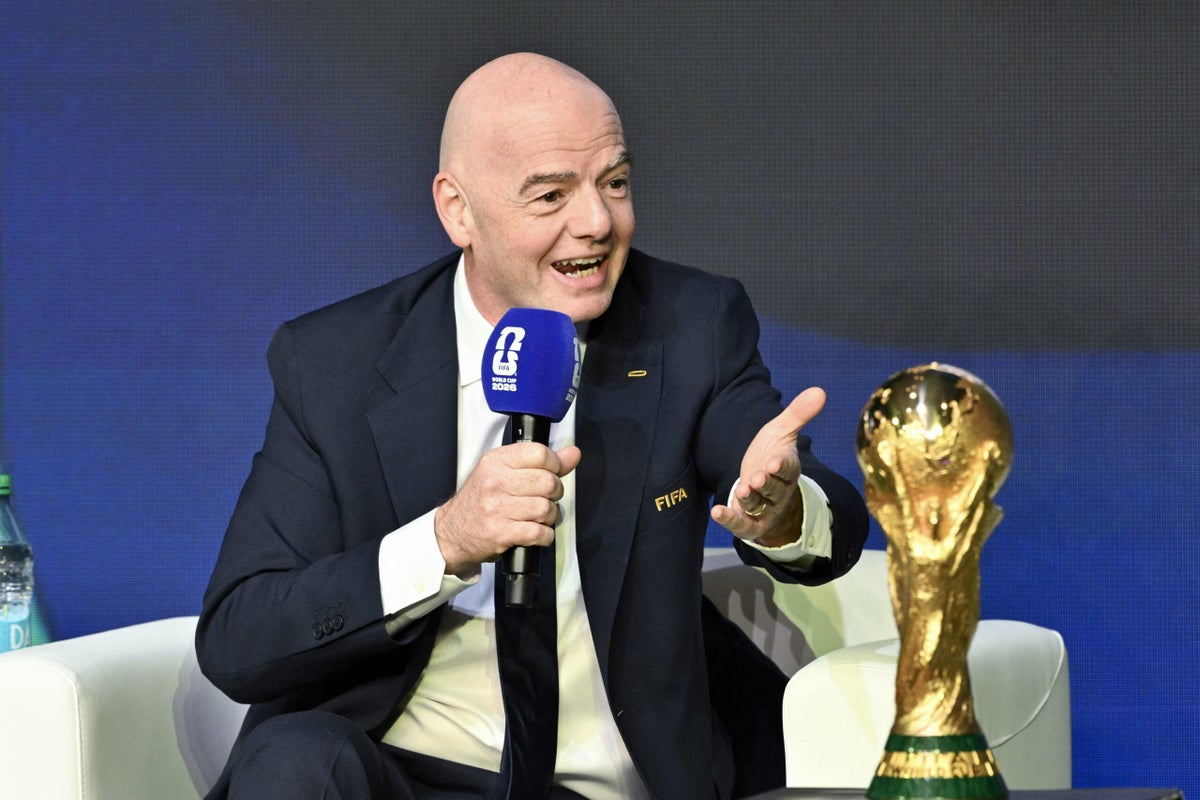
“BREAKING NEWS,” exclaimed Gianni Infantino triumphantly on Instagram, “UNBELIEVABLE.” With booming enthusiasm, FIFA’s president revealed that requests for 2026 World Cup tickets have skyrocketed to a staggering 500 million, a remarkable increase from 350 million just days before and an astounding leap from 150 million earlier that month.
Infantino’s proclamation suggests more than mere statistics; it represents a fervor that transcends borders and demographics. “Half a billion ticket requests in just over a month is more than demand — it’s a global statement,” he noted. Yet, lurking beneath this sensational figure lies a more complex narrative that FIFA has yet to fully disclose.
The Challenge of Interpretation
The figure of 500 million, while impressive, lacks essential context. Without a breakdown of how these requests are distributed across the 104 matches set to take place, the number remains largely abstract. Are fans clamoring for blockbuster matchups or are some less-publicized games being overlooked? Take this example: while a match featuring iconic teams such as Brazil and Argentina naturally garners widespread interest, a game featuring less prominent squads may not attract the same fervor.
Additionally, one must consider the implications of FIFA’s pricing strategy. The initial excitement surrounding high-profile matches may be offset by unaffordable ticket prices for many games, creating a disparate landscape of demand across the tournament.
Historical Context and Expectations
Historically, the World Cup has seen massive interest, especially in lucrative markets like North America. The 1994 World Cup in the United States holds the record for attendance, featuring 24 teams. The 2026 tournament is set to feature double the teams, promising a spectacle that is impossible to ignore. Given the sheer size of the event, the inflated ticket request numbers seemed inevitable.
Yet, the narrative that Infantino and FIFA seek to construct with the “unprecedented” demand serves a dual purpose. It conveys an image of overwhelming enthusiasm while countering criticisms over ticket costs. The overarching message seems to imply that, despite disputes over pricing, the demand warrants even higher ticket prices — potentially branding tickets as “underpriced” in light of significant interest.
Understanding the Demand Dynamics
The striking 500 million requests might seem to denote a thriving demand across the board, but deeper analysis raises questions about the distribution. What if a majority of these requests are funneled toward only a handful of matches? For instance, if Portugal faces Colombia and draws millions of requests, what does that say about other fixtures?
FIFA’s ticket prices for less desirable matchups must also be examined. How many fans will pay $500 or $400 for a match that’s perceived as lackluster? Observations suggest there may indeed be millions of requests for high-stakes games, but curiosity lingers around underwhelming fixtures — will fans flock to see lesser-known matchups, or is that enthusiasm simply not there?
The Scalpers’ Influence
Moreover, the landscape of ticket requests is complicated by the secondary market. With FIFA’s reluctant stance on regulating ticket resales, scalpers can easily manipulate demand figures by submitting requests across multiple games. This influx adds a layer of confusion: how many of those 500 million requests genuinely reflect fans hoping to attend versus those simply looking to profit from reselling?
The Importance of Match-Specific Data
While the overall ticket request number is grand, the real narrative lies beyond it. Questions remain over how many requests were made for matches deemed less appealing by the average spectator. Take, for example, a game like Cape Verde vs. Saudi Arabia. How many fans are really excited for such a contest? Would a ticket request count hit a million, or would it barely scrape the surface?
Insights into the demand dynamics for middle-tier matchups can provide a clearer picture of the tournament’s reception. Understanding how many people are looking to buy tickets for games like Japan against an unknown playoff winner can shine a light on emerging patterns of fandom, excitement, and overall cultural interest in the world of football.
Looking Ahead
As anticipation builds and tickets begin to sell, the question isn’t merely about the number of requests. What truly matters is the atmosphere in stadiums across North America. Will venues echo with cheers for every match, or will some go unrepresented? Fan engagement will dictate the overall success of the event more than any lofty numbers.
As June approaches, all eyes will be on how these matches unfold in terms of attendance and enthusiasm. While the 500 million figure certainly dazzles, it will be the electric atmospheres and the heartfelt cheers from passionate fans that ultimately define the 2026 World Cup experience.