


Advancements in Military Innovation: The US Army’s New Advanced Capabilities Directorate
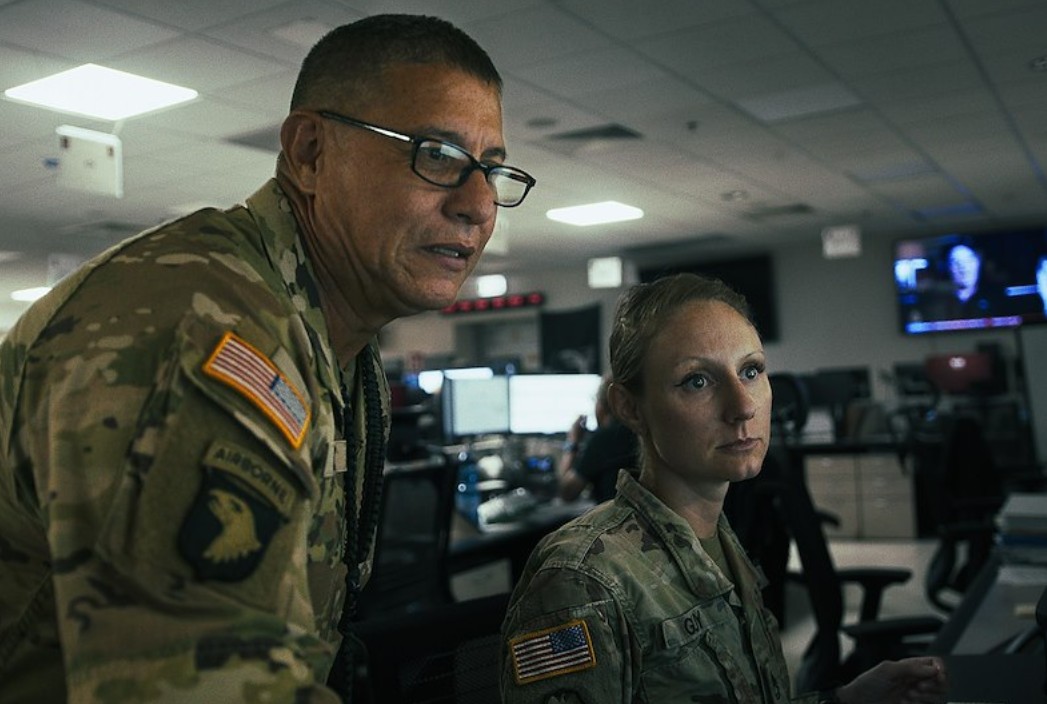
The US Army Southern European Task Force, Africa (SETAF-AF), has taken a significant step towards enhancing operational effectiveness by launching a new Advanced Capabilities Directorate (ACD). This initiative is designed to streamline and improve decision-making processes within the Army, fostering a culture of innovation that is crucial for modern warfare.
The Purpose and Structure of the ACD
The ACD merges two pivotal elements: the innovation division and the operational data team. This integration allows the Army to rigorously evaluate emerging technologies and test them in realistic environments. By sharing outcomes with Army leadership, industry partners, and doctrine developers, the ACD aims to ensure that new technologies are not only adopted but also effectively implemented.
The team comprises officers and specialists from various branches, fostering a multidisciplinary approach. This diverse composition enables the ACD to address operational integration, align internal processes, engage with external stakeholders, and provide vital support for accelerated procurement. Lt. Col. Armand L. Balboni, the science and technology advisor and innovation branch deputy, emphasizes that true innovation transcends mere technology acquisition. It involves understanding the interplay between human operators and technology in complex operational settings.
The Role of the ACD in Future Operations
One of the ACD’s primary upcoming missions will be its involvement in the 2026 African Lion exercise (AL26), which stands out as US Africa Command’s largest annual joint exercise. Scheduled to unfold in April and May of this year, this exercise will see participation from over 5,600 personnel representing more than 30 nations.
During AL26, the ACD will evaluate a myriad of systems—over 45 in total—ranging from unmanned aerial systems to counter-drone capabilities and loitering munitions. This extensive testing aims to assess the effectiveness of these technologies across various operational scenarios.
The Scope of Testing and Evaluation
The evaluation will span three critical types of operations: defending positions, executing deep strikes, and conducting counterattacks. This triad of operational scenarios is essential for determining how new technologies can perform under the stressful conditions of real-world military engagements.
The ACD’s approach involves the collection of operational data and subsequent analysis of system performance. This process is crucial for refining recommendations about which technologies to procure and integrate into the Army’s operational framework.
Lt. Col. Nicholas R. Dubaz, the innovation branch chief, highlighted how this exercise will offer many industry partners their first opportunity to witness their technologies in action. The challenges of real-world conditions—including heat, dust, electronic warfare, and battlefield chaos—are elements that simulations cannot replicate. This firsthand experience reveals system strengths and weaknesses, providing invaluable insights that laboratory settings often miss.
Bridging Technological Potential and Battlefield Reality
The findings from the ACD’s evaluations will have significant implications for procurement and investment strategies. By closely monitoring how technologies perform in the field, the Army aims to bridge the gap between theoretical capabilities and actual battlefield utility. This is critical to ensuring that new systems are not only theoretically sound but also effective and quickly deployable in combat situations.
In summary, the establishment of the Advanced Capabilities Directorate represents a forward-thinking approach to military innovation, emphasizing the necessity of adapting to the complexities of modern warfare through rigorous testing and comprehensive evaluation. The collaboration of diverse expertise within the ACD sets the stage for a more integrated, responsive military force poised to meet the challenges of the future.