


The U.S. Withdrawal from the WHO: Key Insights
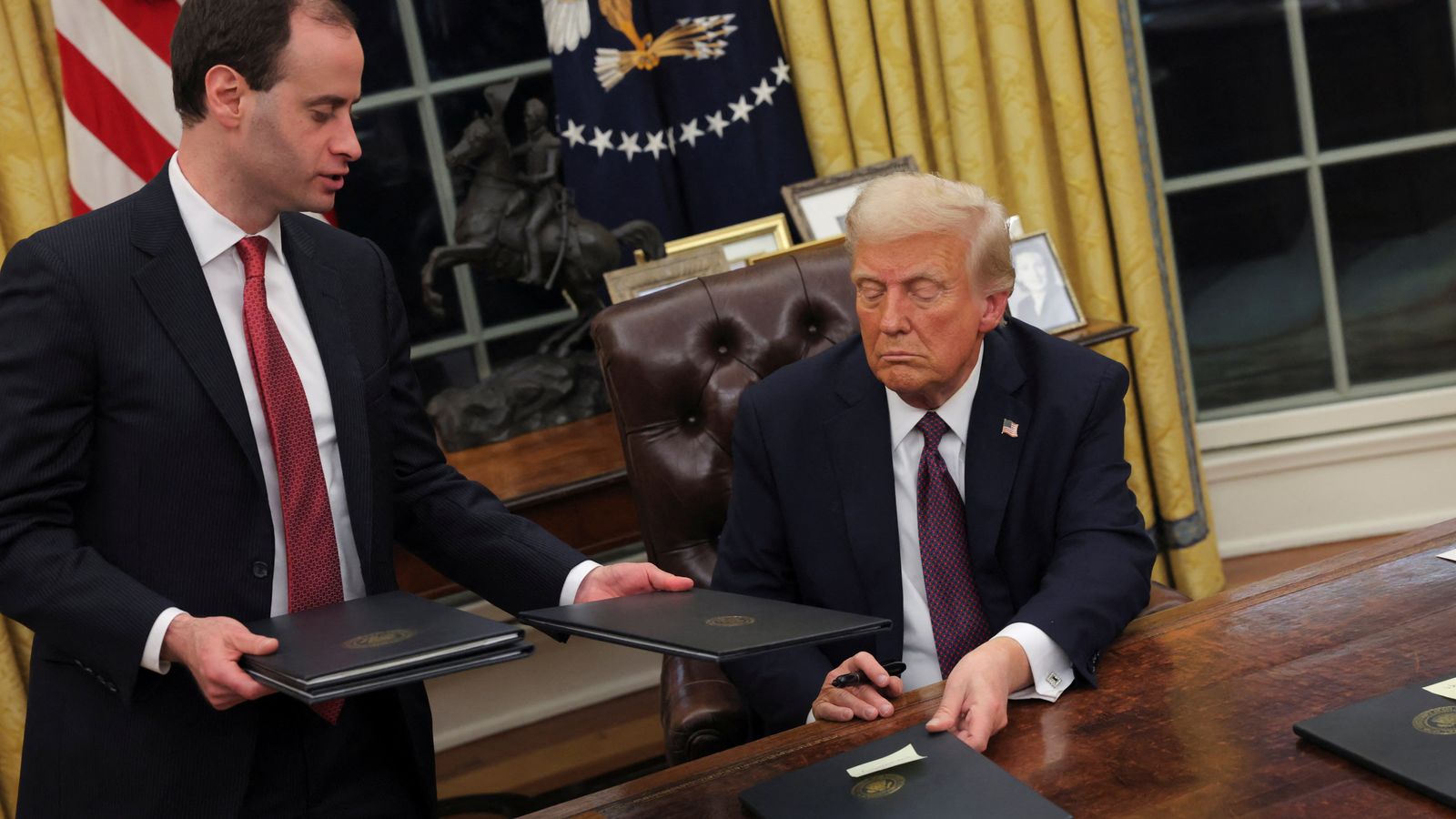
A major turning point in global health governance occurred when former President Donald Trump signed an executive order a year ago, initiating the United States’ withdrawal from the World Health Organization (WHO). This decision has raised significant questions about its implications for global public health, especially in the wake of the COVID-19 pandemic.
Reasons Behind the Withdrawal
Trump’s rationale for leaving the WHO primarily revolved around financial grievances. He accused the organization of unfairly demanding hefty payments from the U.S., stating, “World Health ripped us off; everybody rips off the United States. It’s not going to happen anymore.” His administration’s executive order highlighted that the U.S. contributed disproportionately compared to other nations, particularly pointing out that China, with its massive population, contributed nearly 90% less than the U.S. to the WHO’s budget.
Moreover, the order criticized the WHO for its handling of the COVID-19 crisis and other health challenges, asserting the organization failed to enact necessary reforms and exhibited undue political influence from its member states.
Understanding the WHO’s Role
The World Health Organization acts as the United Nations’ specialized health agency, coordinating responses to global health threats such as outbreaks of diseases like Ebola, polio, and mpox. Its responsibilities include providing technical assistance to underprivileged nations, distributing vaccines, and establishing guidelines for various health conditions. Despite its advisory role, the WHO lacks enforcement authority, relying instead on member nations’ cooperation.
Potential Consequences of the Withdrawal
Experts have voiced concerns that the U.S. withdrawal could weaken the global defense network against infectious diseases. Historically, the U.S. has been one of the WHO’s largest contributors, providing between $160 million and $815 million annually to support its essential initiatives. Without this financial backing, efforts aimed at eradicating diseases like polio or responding to emerging viral threats could face significant setbacks.
Dr. Tom Frieden, former head of the Centers for Disease Control and Prevention (CDC), emphasized that withdrawing from the WHO not only cuts crucial funding but also silences the U.S. voice in global health discussions. He argued that reforming the organization requires active participation, rather than abandonment.
Impact on Global Health Initiatives
The loss of American resources could lead to a decline in the WHO’s capabilities in global health surveillance and epidemic response. Experts warn this may increase the likelihood of new diseases emerging and spreading uncontrollably, potentially sparking further pandemics. Lawrence Gostin, a legal expert in global health, echoed these sentiments, asserting that the repercussions of losing U.S. support could be catastrophic.
WHO’s Response to U.S. Actions
In response to Trump’s executive order, the WHO issued a statement emphasizing its critical role in safeguarding global health. The organization pointed out that it has been instrumental in dealing with disease outbreaks and building resilient health systems worldwide. The WHO expressed hope that the U.S. would reconsider its withdrawal, reaffirming its commitment to collaborative efforts aimed at improving global health outcomes.
The organization reminded that the U.S. has been a founding member since its inception in 1948, contributing significantly to worldwide health initiatives. It highlighted the historic successes achieved through cooperation, like the near-eradication of polio and the elimination of smallpox.
Financial Obligations to the WHO
Prior to the formal withdrawal, the U.S. faced outstanding financial obligations to the WHO. Reports indicated that the U.S. owed approximately $228 million for the fiscal year 2024-25, a payment that had yet to be fulfilled as of January. This financial disconnect raised questions about the lasting impact of U.S. withdrawal on global health programs.
The Bigger Picture
The U.S. withdrawal from the WHO is not just a national policy decision but a critical moment in the broader landscape of global health governance. As the world increasingly confronts complex health crises, the implications of the U.S. absence from the WHO could reverberate well beyond American borders, affecting populations globally. The call for cooperation and engagement in the face of health challenges has never been more pressing.