The urgency of this discussion is accentuated given the imminent global sporting events involving the United States. The nation is on the brink of co-hosting the FIFA World Cup later this year alongside Mexico and Canada, and it is also gearing up for the Summer Olympics in 2028. The intertwining of sports and politics is becoming increasingly pronounced, with President Trump’s remarks about which teams might participate in the World Cup further complicating matters.
Read also: Why Chelsea’s defence still isn’t settled
How the IOC Defines Its Role in Global Sport
In response to the mounting tensions, the IOC has reiterated its commitment to political neutrality—a foundational principle of its operations. In a statement reported by BBC Sport, the IOC clarified, “As a global organization, the IOC has to manage a complex reality and navigate the current political context.” Reinforcing its broader mission, the IOC articulated that bringing athletes together regardless of nationality is vital for promoting values-based, truly global sports and fostering hope across nations.
The organization additionally stressed that it cannot directly engage in political matters or conflicts between countries, as these issues fall beyond its jurisdiction, affirming that political institutions are tasked with these responsibilities.
A Familiar Dilemma for International Sport
This scenario encapsulates a longstanding challenge within international sports: balancing the ideal of neutrality against rising political pressures. As the Winter Olympics approach, the IOC’s stance suggests that, for the time being, the participation of athletes will be determined independently of diplomatic relations. Thus, the intricate web of politics and athletics continues to unfold, raising questions about the future of both the Olympics and global sporting events at large.
Sources: BBC Sport
Read also: Lucas Hernandéz accused of human trafficking in France
Read also: Inter quietly test waters for Martínez switch as summer window looms
The political implications are not confined to diplomatic discourse; they have spilled over into the realm of sports. In the United Kingdom, a bipartisan assembly of Members of Parliament has drafted a motion urging international sports organizations to contemplate suspending the United States from major competitions. This parliamentary motion calls for such actions to remain until the U.S. demonstrates “clear compliance” with international law and respect for the sovereignty of other nations.
The motion specifically condemns the interventions in Venezuela as direct interference in the sovereignty of an independent country, coinciding with widespread criticism from entities like the United Nations. Moreover, it asserts that America’s ongoing threats toward several nations jeopardize the established norms of international relations.
Major Tournaments Add Urgency to the Debate
The urgency of this discussion is accentuated given the imminent global sporting events involving the United States. The nation is on the brink of co-hosting the FIFA World Cup later this year alongside Mexico and Canada, and it is also gearing up for the Summer Olympics in 2028. The intertwining of sports and politics is becoming increasingly pronounced, with President Trump’s remarks about which teams might participate in the World Cup further complicating matters.
Read also: Why Chelsea’s defence still isn’t settled
How the IOC Defines Its Role in Global Sport
In response to the mounting tensions, the IOC has reiterated its commitment to political neutrality—a foundational principle of its operations. In a statement reported by BBC Sport, the IOC clarified, “As a global organization, the IOC has to manage a complex reality and navigate the current political context.” Reinforcing its broader mission, the IOC articulated that bringing athletes together regardless of nationality is vital for promoting values-based, truly global sports and fostering hope across nations.
The organization additionally stressed that it cannot directly engage in political matters or conflicts between countries, as these issues fall beyond its jurisdiction, affirming that political institutions are tasked with these responsibilities.
A Familiar Dilemma for International Sport
This scenario encapsulates a longstanding challenge within international sports: balancing the ideal of neutrality against rising political pressures. As the Winter Olympics approach, the IOC’s stance suggests that, for the time being, the participation of athletes will be determined independently of diplomatic relations. Thus, the intricate web of politics and athletics continues to unfold, raising questions about the future of both the Olympics and global sporting events at large.
Sources: BBC Sport
Read also: Lucas Hernandéz accused of human trafficking in France
Read also: Inter quietly test waters for Martínez switch as summer window looms
The controversy ignited earlier this month when U.S. President Donald Trump announced that American forces had conducted a significant military strike in Venezuela, detaining President Nicolas Maduro and his wife, Cilia Flores. This declaration of military involvement underlies growing concerns not only in Venezuela but also about U.S. operations in other regions.
U.S. officials have since confirmed military activities in Nigeria, which adds to the unease surrounding Washington’s foreign policy. Additionally, remarks from senior officials hinting at potential future operations in places like Greenland, Mexico, Colombia, and Iran have raised eyebrows globally. These developments have drawn criticism from lawmakers and international observers, amplifying scrutiny on America’s military and foreign engagement strategies.
Read also: Trump tensions drag football into calls for a World Cup boycott
Pressure from Lawmakers Enters the Sports Arena
The political implications are not confined to diplomatic discourse; they have spilled over into the realm of sports. In the United Kingdom, a bipartisan assembly of Members of Parliament has drafted a motion urging international sports organizations to contemplate suspending the United States from major competitions. This parliamentary motion calls for such actions to remain until the U.S. demonstrates “clear compliance” with international law and respect for the sovereignty of other nations.
The motion specifically condemns the interventions in Venezuela as direct interference in the sovereignty of an independent country, coinciding with widespread criticism from entities like the United Nations. Moreover, it asserts that America’s ongoing threats toward several nations jeopardize the established norms of international relations.
Major Tournaments Add Urgency to the Debate
The urgency of this discussion is accentuated given the imminent global sporting events involving the United States. The nation is on the brink of co-hosting the FIFA World Cup later this year alongside Mexico and Canada, and it is also gearing up for the Summer Olympics in 2028. The intertwining of sports and politics is becoming increasingly pronounced, with President Trump’s remarks about which teams might participate in the World Cup further complicating matters.
Read also: Why Chelsea’s defence still isn’t settled
How the IOC Defines Its Role in Global Sport
In response to the mounting tensions, the IOC has reiterated its commitment to political neutrality—a foundational principle of its operations. In a statement reported by BBC Sport, the IOC clarified, “As a global organization, the IOC has to manage a complex reality and navigate the current political context.” Reinforcing its broader mission, the IOC articulated that bringing athletes together regardless of nationality is vital for promoting values-based, truly global sports and fostering hope across nations.
The organization additionally stressed that it cannot directly engage in political matters or conflicts between countries, as these issues fall beyond its jurisdiction, affirming that political institutions are tasked with these responsibilities.
A Familiar Dilemma for International Sport
This scenario encapsulates a longstanding challenge within international sports: balancing the ideal of neutrality against rising political pressures. As the Winter Olympics approach, the IOC’s stance suggests that, for the time being, the participation of athletes will be determined independently of diplomatic relations. Thus, the intricate web of politics and athletics continues to unfold, raising questions about the future of both the Olympics and global sporting events at large.
Sources: BBC Sport
Read also: Lucas Hernandéz accused of human trafficking in France
Read also: Inter quietly test waters for Martínez switch as summer window looms
The controversy ignited earlier this month when U.S. President Donald Trump announced that American forces had conducted a significant military strike in Venezuela, detaining President Nicolas Maduro and his wife, Cilia Flores. This declaration of military involvement underlies growing concerns not only in Venezuela but also about U.S. operations in other regions.
U.S. officials have since confirmed military activities in Nigeria, which adds to the unease surrounding Washington’s foreign policy. Additionally, remarks from senior officials hinting at potential future operations in places like Greenland, Mexico, Colombia, and Iran have raised eyebrows globally. These developments have drawn criticism from lawmakers and international observers, amplifying scrutiny on America’s military and foreign engagement strategies.
Read also: Trump tensions drag football into calls for a World Cup boycott
Pressure from Lawmakers Enters the Sports Arena
The political implications are not confined to diplomatic discourse; they have spilled over into the realm of sports. In the United Kingdom, a bipartisan assembly of Members of Parliament has drafted a motion urging international sports organizations to contemplate suspending the United States from major competitions. This parliamentary motion calls for such actions to remain until the U.S. demonstrates “clear compliance” with international law and respect for the sovereignty of other nations.
The motion specifically condemns the interventions in Venezuela as direct interference in the sovereignty of an independent country, coinciding with widespread criticism from entities like the United Nations. Moreover, it asserts that America’s ongoing threats toward several nations jeopardize the established norms of international relations.
Major Tournaments Add Urgency to the Debate
The urgency of this discussion is accentuated given the imminent global sporting events involving the United States. The nation is on the brink of co-hosting the FIFA World Cup later this year alongside Mexico and Canada, and it is also gearing up for the Summer Olympics in 2028. The intertwining of sports and politics is becoming increasingly pronounced, with President Trump’s remarks about which teams might participate in the World Cup further complicating matters.
Read also: Why Chelsea’s defence still isn’t settled
How the IOC Defines Its Role in Global Sport
In response to the mounting tensions, the IOC has reiterated its commitment to political neutrality—a foundational principle of its operations. In a statement reported by BBC Sport, the IOC clarified, “As a global organization, the IOC has to manage a complex reality and navigate the current political context.” Reinforcing its broader mission, the IOC articulated that bringing athletes together regardless of nationality is vital for promoting values-based, truly global sports and fostering hope across nations.
The organization additionally stressed that it cannot directly engage in political matters or conflicts between countries, as these issues fall beyond its jurisdiction, affirming that political institutions are tasked with these responsibilities.
A Familiar Dilemma for International Sport
This scenario encapsulates a longstanding challenge within international sports: balancing the ideal of neutrality against rising political pressures. As the Winter Olympics approach, the IOC’s stance suggests that, for the time being, the participation of athletes will be determined independently of diplomatic relations. Thus, the intricate web of politics and athletics continues to unfold, raising questions about the future of both the Olympics and global sporting events at large.
Sources: BBC Sport
Read also: Lucas Hernandéz accused of human trafficking in France
Read also: Inter quietly test waters for Martínez switch as summer window looms
Why the IOC Spoke Out Now
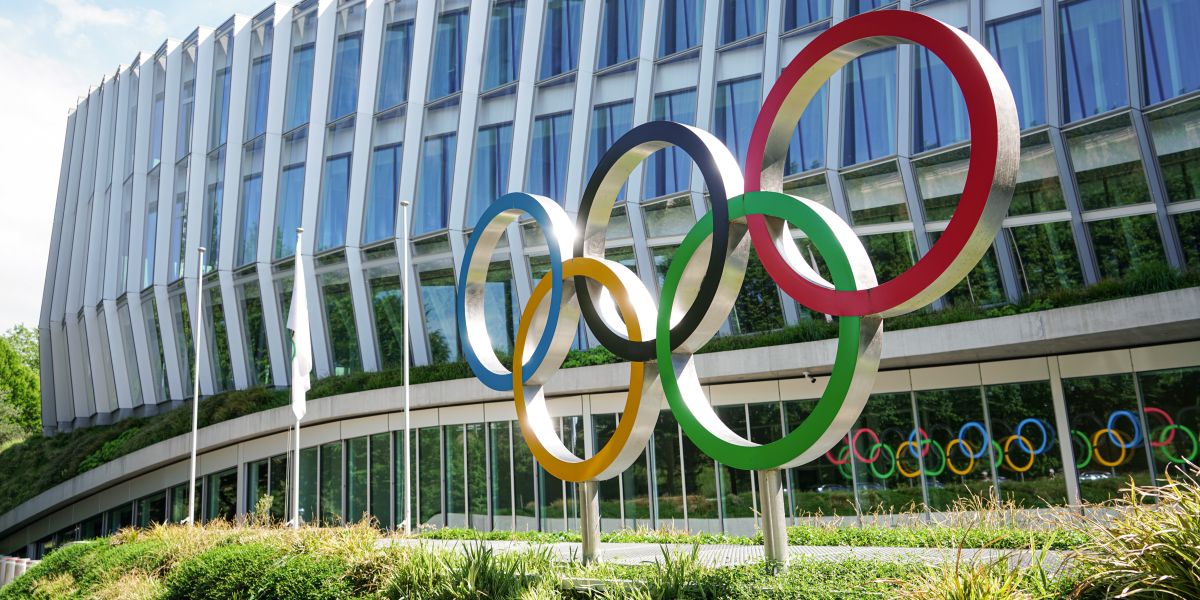
As the Winter Olympics prepare to kick off in early February 2026, co-hosted by Milan and Cortina, the International Olympic Committee (IOC) has recently made headlines for addressing speculation surrounding Team USA’s potential exclusion from the Games. This public intervention follows a surge of political debate regarding the implications of recent U.S. actions on the international stage. According to BBC Sport, the IOC’s statement comes amid increasing discussions about whether geopolitical tensions should impact Olympic participation.
Events that Triggered International Concern
The controversy ignited earlier this month when U.S. President Donald Trump announced that American forces had conducted a significant military strike in Venezuela, detaining President Nicolas Maduro and his wife, Cilia Flores. This declaration of military involvement underlies growing concerns not only in Venezuela but also about U.S. operations in other regions.
U.S. officials have since confirmed military activities in Nigeria, which adds to the unease surrounding Washington’s foreign policy. Additionally, remarks from senior officials hinting at potential future operations in places like Greenland, Mexico, Colombia, and Iran have raised eyebrows globally. These developments have drawn criticism from lawmakers and international observers, amplifying scrutiny on America’s military and foreign engagement strategies.
Read also: Trump tensions drag football into calls for a World Cup boycott
Pressure from Lawmakers Enters the Sports Arena
The political implications are not confined to diplomatic discourse; they have spilled over into the realm of sports. In the United Kingdom, a bipartisan assembly of Members of Parliament has drafted a motion urging international sports organizations to contemplate suspending the United States from major competitions. This parliamentary motion calls for such actions to remain until the U.S. demonstrates “clear compliance” with international law and respect for the sovereignty of other nations.
The motion specifically condemns the interventions in Venezuela as direct interference in the sovereignty of an independent country, coinciding with widespread criticism from entities like the United Nations. Moreover, it asserts that America’s ongoing threats toward several nations jeopardize the established norms of international relations.
Major Tournaments Add Urgency to the Debate
The urgency of this discussion is accentuated given the imminent global sporting events involving the United States. The nation is on the brink of co-hosting the FIFA World Cup later this year alongside Mexico and Canada, and it is also gearing up for the Summer Olympics in 2028. The intertwining of sports and politics is becoming increasingly pronounced, with President Trump’s remarks about which teams might participate in the World Cup further complicating matters.
Read also: Why Chelsea’s defence still isn’t settled
How the IOC Defines Its Role in Global Sport
In response to the mounting tensions, the IOC has reiterated its commitment to political neutrality—a foundational principle of its operations. In a statement reported by BBC Sport, the IOC clarified, “As a global organization, the IOC has to manage a complex reality and navigate the current political context.” Reinforcing its broader mission, the IOC articulated that bringing athletes together regardless of nationality is vital for promoting values-based, truly global sports and fostering hope across nations.
The organization additionally stressed that it cannot directly engage in political matters or conflicts between countries, as these issues fall beyond its jurisdiction, affirming that political institutions are tasked with these responsibilities.
A Familiar Dilemma for International Sport
This scenario encapsulates a longstanding challenge within international sports: balancing the ideal of neutrality against rising political pressures. As the Winter Olympics approach, the IOC’s stance suggests that, for the time being, the participation of athletes will be determined independently of diplomatic relations. Thus, the intricate web of politics and athletics continues to unfold, raising questions about the future of both the Olympics and global sporting events at large.
Sources: BBC Sport
Read also: Lucas Hernandéz accused of human trafficking in France
Read also: Inter quietly test waters for Martínez switch as summer window looms