


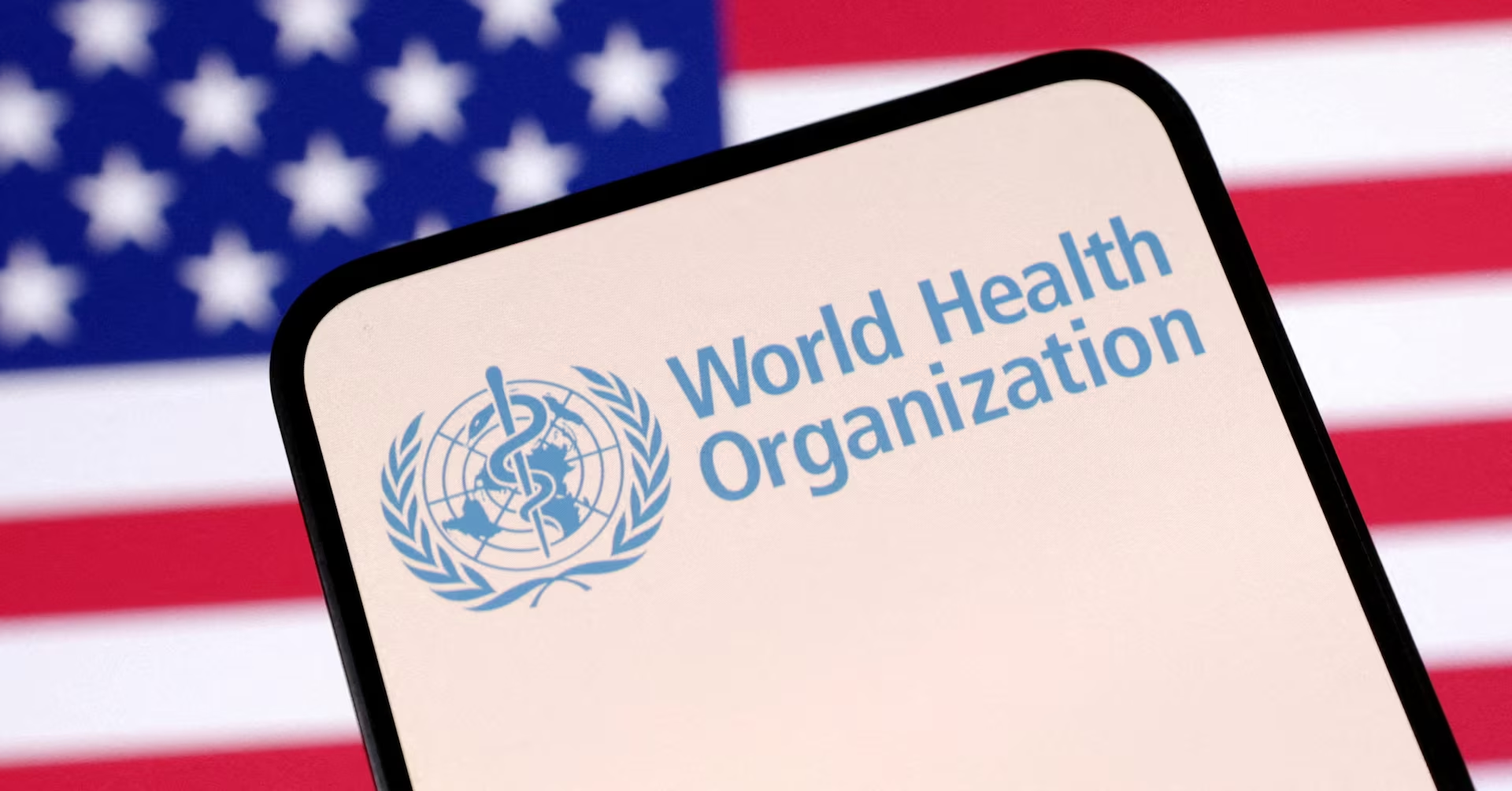
The U.S. Departure from the World Health Organization: A Closer Look
The United States’ withdrawal from the World Health Organization (WHO) has sent shockwaves through global health circles, raising critical questions about the future of international health cooperation. As the world’s largest economy and a major contributor to WHO funding, the U.S. exit not only impacts its own public health landscape but also reverberates worldwide.
Financial Implications: Unpaid Dues and Budget Crisis
At the heart of the U.S. departure is the outstanding $260 million in fees. Officially, the U.S. was required to pay these dues prior to leaving, as stipulated by U.S. law. However, government officials argue that this requirement is not enforceable, claiming that the American populace has already contributed enough to the organization. This dispute has triggered a financial crisis within the WHO, forcing it to halve its management staff and scale back projects, threatening public health initiatives globally.
Historically, the U.S. has been the largest funder of the WHO, contributing about 18% of the organization’s annual budget. The absence of these funds has left a substantial gap, which some experts warn could critically compromise the agency’s ability to respond to global health emergencies.
Leadership and Programs at Risk
The WHO has already faced challenges in its leadership and operational efficiency, and the U.S. exit poses additional risks. Experts caution that the withdrawal could weaken international systems for disease detection and response, as the organization relies heavily on collaboration among nations. With the U.S. stepping back, many fear that other nations might follow suit, further destabilizing the health infrastructure.
Currently, the WHO is in talks about how to manage the U.S. departure and the implications it will have on global health strategies. The agency’s Director General, Tedros Adhanom Ghebreyesus, has advocated for a reconsideration of the U.S. stance, emphasizing the importance of collective action in combating health crises.
The Political Landscape and Future Prospects
Former President Donald Trump’s administration initiated the withdrawal, blaming the WHO for mismanagement during the COVID-19 pandemic. His administration’s choice to limit interaction with the organization reflects a broader trend of skepticism towards international bodies, favoring direct bilateral engagements. This political shift marks a departure from decades of U.S. leadership in global health.
As discussions about potential reforms circulate, some critics suggest creating anew agency to replace the WHO. However, there are arguments for strengthening the existing structure rather than dismantling it. Advocates for reform within the WHO emphasize the need for American leadership to guide improvements rather than abandon the organization altogether.
Expert Opinions on the Withdrawal
Global health experts have issued stark warnings regarding the implications of the U.S. exit. Kelly Henning from Bloomberg Philanthropies articulated that the U.S. pullout could severely undermine efforts to tackle health threats, including epidemics and pandemics. Meanwhile, philanthropic leaders like Bill Gates advocate for a return to WHO, emphasizing that the organization is essential for achieving health goals on a global scale.
Current Collaborations and Future Paths
Despite the withdrawal, limited collaboration between the U.S. and WHO continues, though this relationship remains tenuous. The U.S. plans to pursue health priorities directly with other nations rather than through the WHO framework. This shift could alter how public health initiatives are managed and funded, potentially isolating the U.S. from vital international health conversations and collaborative efforts.
Summary of Key Concerns
In summary, the ramifications of the U.S. exit from the WHO raise pressing questions about international health cooperation, funding for global health initiatives, and the future of the WHO itself. The departure reflects shifting political tides and challenges the very fabric of collaboration that underpins public health interventions across borders. As the global community watches closely, the dynamics of health governance and international collaboration are poised for significant change, highlighting the intricate balance between national interests and global responsibilities.