


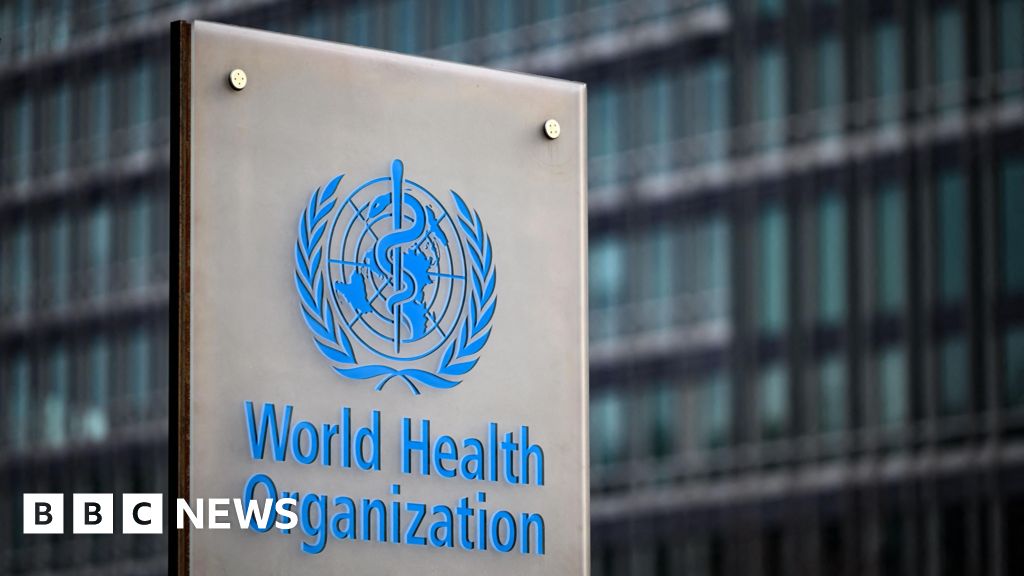
U.S. Withdrawal from the WHO: An Overview
In a significant shift on the global health landscape, the United States has officially withdrawn from the World Health Organization (WHO), leaving a noticeable gap in one of the UN agency’s largest funding sources. This decision follows a year-long series of criticisms from former President Donald Trump, who deemed the organization excessively “China-centric” amid the Covid-19 pandemic.
The Executive Order
The withdrawal was formalized when President Trump signed an executive order that underscored his administration’s grievances towards the WHO. The U.S. Department of Health and Human Services cited the organization’s alleged “mishandling” of the pandemic, a failure to enact necessary reforms, and political influence from member states as driving forces behind the decision.
WHO’s Response
In contrast, the WHO has firmly rejected these accusations. Director-General Tedros Adhanom Ghebreyesus expressed regret over the departure, deeming it a “loss for the U.S. and the world.” The organization has highlighted its many accomplishments, including global efforts to combat polio and HIV/AIDS, improve maternal health, and implement an international treaty on tobacco control.
The International Pandemic Treaty
In light of the pandemic’s dire challenges, WHO member states collaborated on an international pandemic treaty aimed at fostering preparedness, equitable vaccine distribution, and timely responses to health crises. Notably, the treaty was finalized in April last year, with the United States as the only holdout among member nations.
Financial Implications
Traditionally, the U.S. has been one of the largest donors to the WHO, contributing significant funding over the years. However, the nation has halted its fees for 2024 and 2025, leading to major job losses within the organization. WHO’s legal team has indicated that the U.S. is still obligated to pay its arrears—estimated at $260 million—but officials in Washington have asserted that they see no basis for fulfilling that commitment.
Operational Changes
Following the withdrawal announcement, the U.S. government took decisive measures. All funding to the WHO was terminated, American personnel were recalled from the Geneva headquarters and its global offices, and hundreds of engagements with the organization were either suspended or discontinued.
U.S. Health Secretary Robert F. Kennedy and Secretary of State Marco Rubio issued a statement claiming that the WHO “abandoned its core mission” and acted against American interests. They further criticized the agency for failing to return the American flag, which had historically flown at its Geneva office.
Future Engagements
Going forward, the U.S. plans to limit its engagement with the WHO strictly to the logistics of its withdrawal. The government has indicated intentions to establish bilateral relationships with other countries to ensure disease surveillance and pathogen sharing, but details on specific partnerships remain unclear.
When asked about continued support for global health initiatives like polio and HIV, officials stated that the U.S. would collaborate with “NGOs and faith-based groups” moving forward, although specific alliances have yet to be disclosed. Furthermore, uncertainty looms over whether the U.S. will maintain its role in developing and sharing information on the annual global flu vaccine.
WHO’s Call for Reconsideration
After the official withdrawal was logged, the WHO optimistically hoped that the U.S. would reconsider its decision. They emphasized that past collaborative efforts had saved countless lives and insisted that a re-engagement would benefit the health and well-being of millions worldwide.
The Agenda Ahead
The U.S. withdrawal from the WHO is set to be discussed at an upcoming board meeting slated for February. The organization has stated that it will comply with guidance from its governing bodies as the situation advances.
Critique of Pandemic Responses
The pandemic has ushered in widespread criticism of responses from many nations, including the U.S. and the UK. Critics have pointed out slow and flawed initial responses, with governments hesitating to impose lockdowns due to public pushback. Studies show that delays in these responses notably contributed to the rapid spread of the virus.
The U.S. reported one of the highest Covid-19 death rates worldwide, attributed in part to inconsistent adherence to WHO recommendations on mask-wearing and social distancing. Drew Altman, a former U.S. public health official, explored these failures in a 2020 article, accusing the administration of politicizing health guidelines, leading to fragmented responses across states.
A research study published in the UN National Library of Medicine took aim at the federal response, declaring it “slow and mismanaged” under the Trump administration.
This historical moment serves as a crucial inflection point in global health governance, raising pressing questions about coordination, leadership, and the future of international health initiatives.