


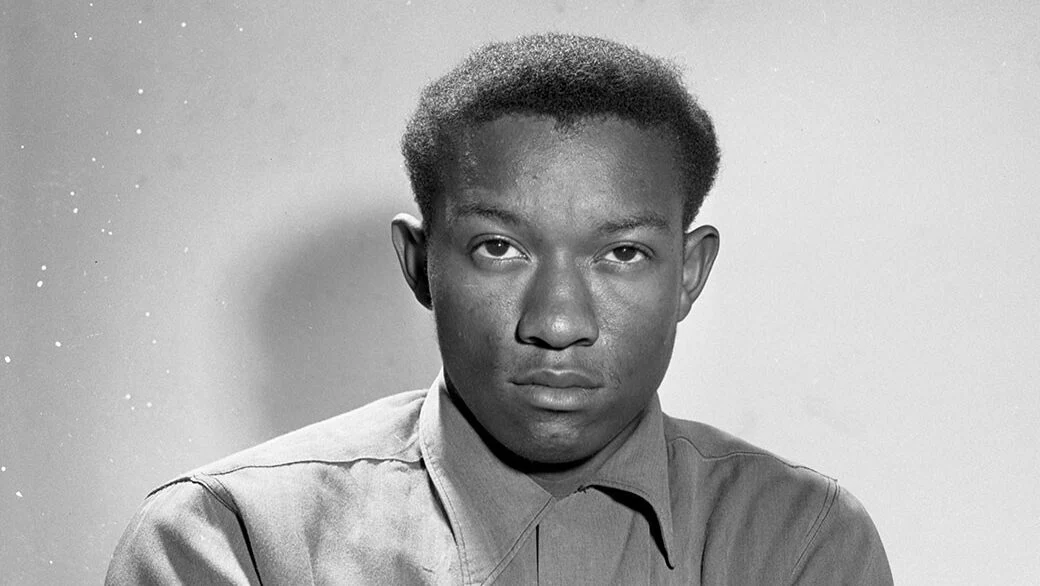
The Case of Tommy Lee Walker: A Journey Through Injustice and Exoneration
Seventy years after the tragedy of execution, Dallas County has taken a significant step toward justice for Tommy Lee Walker, a young man who was wrongfully convicted and executed for a crime he did not commit. Walker’s story, marked by deep-seated racial prejudice and judicial misconduct, stands as a stark reminder of the failings of the justice system and the lasting impact of systemic racism.
Dallas County officials recently declared Walker’s 1954 conviction and 1956 execution a “profound miscarriage of justice.” This acknowledgement comes after decades of tireless advocacy and investigation by various groups, including the Dallas County District Attorney’s Conviction Integrity Unit and the Innocence Project. The resolution explicitly points out that Walker’s prosecution was marred by reliance on “false or unreliable evidence,” coercive interrogation tactics, and racial bias that fundamentally compromised his constitutional rights.
The Context of Racial Panic
Walker was arrested at just 19 years old in connection with the 1953 murder of Venice Parker, a 31-year-old white store clerk. Parker was tragically raped and fatally stabbed while waiting for a bus near Dallas Love Field. Her murder incited racial panic in a deeply segregated community already rife with fear and speculation about a so-called “Negro Prowler.” Amidst this turmoil, law enforcement indiscriminately rounded up Black men, questioning them without any substantial evidence.
Though Walker had little to no criminal background and was witnessing the birth of his child at the time of the crime—an alibi substantiated by ten witnesses—he found himself caught in a web of racialized suspicion. A police officer’s claim that Parker had identified her attacker as Black lingered in the shadows, despite substantial evidence contradicting this assertion.
The Coercive Confession and its Aftermath
Despite the lack of tangible evidence linking him to the crime, prosecutors focused heavily on an alleged confession from Walker, which he later recanted, stating it was coerced. The Dallas County resolution highlighted that “the only direct evidence” against Walker stemmed from that dubious confession, obtained under questionable circumstances.
The trial itself was not a search for truth but rather a performance in which an all-white jury swiftly convicted him. During his sentencing, Walker said, “I feel that I have been tricked out of my life.” His execution on May 12, 1956, sparked an uproar within the Black community of Dallas, igniting discussions about racism and injustice that continue to resonate.
The Role of Institutional Bias
The resolution from the Dallas County Commissioners Court outlines the extensive bias that permeated Walker’s case. It cites egregious misconduct by then–District Attorney Henry Wade, who struck nonwhite jurors, withheld exculpatory evidence, and exhibited racially inflammatory behavior during the proceedings. Wade would eventually gain fame for his role in the infamous Roe v. Wade case, yet his actions in Walker’s trial remain a troubling chapter in his legacy.
A New Hope: Exoneration After Decades
Walker’s son, Edward “Ted” Smith, found a glimmer of solace in the recent resolution, as it validates the long-held belief of his family and community: that Walker was innocent. Smith recalls the challenges of growing up without a father, feeling the weight of that absence during conversations with classmates. “This won’t bring him back, but now the world knows what we always knew,” he expressed, highlighting the emotional toll the wrongful conviction had taken on generations.
In a poignant moment at the recent hearing, Smith met Joseph Parker, the son of Venice Parker. Their embrace symbolized a shared acknowledgment of the past and a step toward healing for both families. Parker also affirmed Walker’s innocence, highlighting the importance of reconciliation, even decades after the tragedy.
The Importance of Acknowledging Historical Injustice
Chris Fabricant, one of Smith’s attorneys, emphasized the gravity of recognizing the truth behind Walker’s conviction. “Acknowledging what we know to be truth— that false evidence, misconduct, and overt racism led to the execution of an innocent man— is essential to the integrity of our legal system,” he stated. The resolution serves as a powerful reminder of the burdens carried by families affected by wrongful convictions, as well as the broader implications for justice in society.
Dallas County District Attorney John Creuzot also underscored the significance of justice persisting irrespective of time. “Justice does not expire with time,” he declared, reinforcing the need for accountability and truth in the pursuit of justice.
Through Walker’s exoneration, a chapter of pain and injustice finally receives the recognition it deserves, igniting conversations about the urgent need for reforms to prevent similar errors from occurring in the future. The legacy of Tommy Lee Walker serves not only as a cautionary tale but also as a catalyst for change, prompting a collective reckoning with racial injustice in the American legal system.