


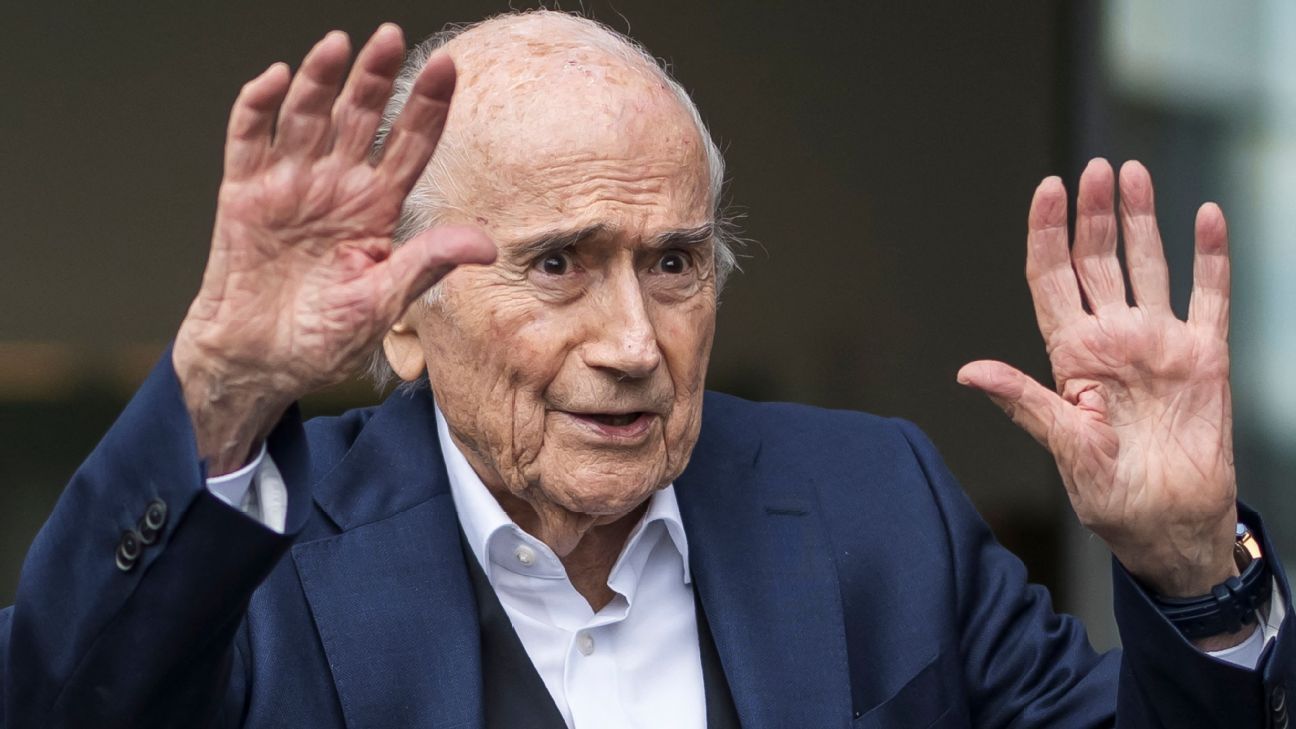
Sepp Blatter’s Controversial Call for Fans to Boycott the 2026 World Cup
On January 26, 2026, former FIFA president Sepp Blatter stirred significant discussions within the soccer community by backing calls for fans to “stay away” from the FIFA World Cup matches in the United States. This statement followed concerns raised regarding the conduct of President Donald Trump and his administration both domestically and internationally.
Blatter and Pieth’s Concerns
Blatter’s comments came after an interview with Mark Pieth, a Swiss attorney and anti-corruption specialist, who previously chaired the Independent Governance Committee overseeing FIFA reform. Pieth’s candid advice for soccer fans was clear: “Stay away from the USA!” He highlighted the potential issues fans might face upon their arrival, suggesting that their enjoyment could be curtailed by bureaucratic complications or a lack of hospitality. Blatter echoed Pieth’s sentiments in a post on X, underlining the growing unease about hosting the World Cup in a politically charged environment.
The Context of the 2026 World Cup
As the United States prepares to co-host the World Cup alongside Canada and Mexico from June 11 to July 19, these remarks tap into broader apprehensions among international figures regarding the United States’ eligibility as a host nation. Specific to these concerns are Trump’s controversial policies, including his approach to immigration, travel bans, and geopolitical claims such as the pursuit of Greenland.
Impact on Fans from Africa and Beyond
The implications of these political decisions extend beyond mere rhetoric, affecting travel arrangements for fans from various countries. Just last December, the Trump administration enacted a travel ban that would hinder supporters from nations like Senegal and Ivory Coast, effectively prohibiting their attendance unless they possessed existing visas. Such policies have exacerbated feelings of alienation, particularly among fans eager to support their national teams.
Moreover, the situation worsens for fans from Iran and Haiti—countries that have qualified for the World Cup—who also face travel restrictions imposed under earlier iterations of Trump’s travel ban. With these realities unfolding, the call for boycotting the World Cup becomes not just a political statement but a reflection of genuine concerns for fans’ safety and rights.
Growing Calls for Boycotts Within the Soccer Community
Blatter isn’t alone in voicing these concerns. Oke Göttlich, a vice president of the German soccer federation, indicated that the possibility of boycotting the World Cup should seriously be considered. This mounting pressure from various figures and organizations highlights a broader dissatisfaction with how political climates are impacting global sporting events.
Rising Ticket Prices and Fan Discontent
As if political controversies weren’t enough, the 2026 World Cup has also faced intense backlash over its ticket pricing. Unprecedented demand and dynamic pricing strategies have inflated the cost of access, with some Category 1 tickets reportedly reaching as high as $8,680 for the final. This raises further questions about accessibility for average fans and the vision of inclusivity that sporting events should embody.
FIFA’s Position and Future Expectations
In light of the political climates and economic barriers, FIFA president Gianni Infantino commented on the situation. While he acknowledged the soaring ticket prices, he maintained optimism that fans would still gather to celebrate football. His words reflect a desire for unity even amidst division—a reminder of the sport’s power to bring people together.
As the date for the World Cup approaches, the convergence of political issues, logistical challenges, and fan engagement remains a complex tapestry that could define the event for years to come.