


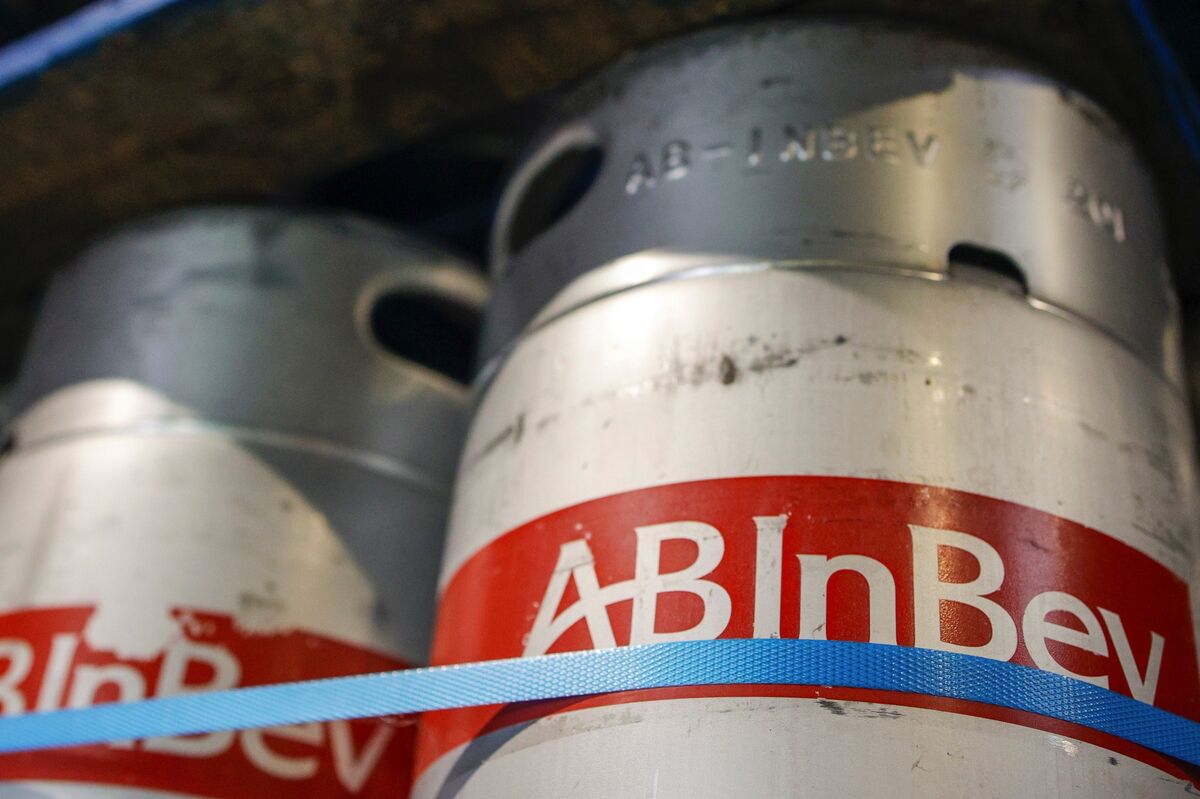
Anheuser-Busch InBev’s Strategic Move: Reacquiring a Stake in Metal Container Plants
In a significant shift within the beverage industry, Anheuser-Busch InBev SA/NV, a global leader in brewing, is set to reacquire a 49.9% stake in its U.S. metal container plants. This move comes in a deal estimated to be around $3 billion and involves a consortium of institutional investors led by Apollo Global Management Inc. The decision reflects broader trends in the industry and positions the company strategically for future growth.
The Rationale Behind the Reacquisition
Anheuser-Busch InBev’s reacquisition stems from a keen understanding of the market dynamics surrounding metal containers, especially given the rising demand for canned beverages. As consumers increasingly gravitate toward eco-friendly packaging solutions, securing a larger stake in metal container production allows the company to ensure consistent supply and quality while reducing dependency on external partners. This foresight echoes the company’s ongoing commitment to sustainability and innovation in packaging, aligning perfectly with contemporary consumer preferences.
The Role of Apollo Global Management
Apollo Global Management Inc., a leading investment firm, played a pivotal role in this transaction. The consortium of institutional investors that Apollo led ventured into the metal container sector, taking advantage of the attractive returns associated with the booming beverage market. Their experience in managing and optimizing industrial assets added considerable value during their period of ownership. As Anheuser-Busch reclaims its stake, it signals confidence in its operational capabilities and strategic foresight.
Financial Implications of the Deal
Valued at approximately $3 billion, the reacquisition stands as one of the larger financial maneuvers in the beverage sector this year. This substantial investment underscores Anheuser-Busch’s renewed focus on vertical integration—controlling more of its supply chain to enhance operational efficiency and profitability. By owning a greater stake in production, the company may also be well-positioned to mitigate risks associated with commodity price volatility, which has been particularly pertinent in recent years.
Market Trends Influencing the Decision
The beer market has experienced notable shifts, with a growing preference for canned beverages over bottled alternatives. This trend has been amplified by the COVID-19 pandemic, which propelled outdoor consumption and an uptick in at-home drinking. Additionally, cans are perceived as more sustainable, making them a favorable choice among environmentally conscious consumers. Thus, Anheuser-Busch’s decision to invest heavily back into its metal container production reflects not only current market needs but also future projections of consumer behavior.
Impacts on Production and Workforce
Reacquiring operational control of the metal container plants can lead to significant changes in production dynamics. Anheuser-Busch may optimize manufacturing processes and explore innovative techniques to enhance efficiency and output. Moreover, this move could stimulate job creation and workforce stability in regions where these plants operate, further supporting local economies. The company has previously demonstrated commitment to its workforce, and this reacquisition may reaffirm its role as a key employer in the sector.
Competitive Landscape and Future Outlook
The craft beer sector continues to expand, introducing new players and intensifying competition within the beverage industry. Anheuser-Busch’s reacquisition can be viewed as a proactive measure to solidify its standing against emerging craft breweries, which often favor unique packaging solutions. By ensuring robust internal production capabilities, Anheuser-Busch can also respond more agilely to market trends and consumer preferences, maintaining its competitive edge in an evolving landscape.
Conclusion
While this article has outlined the motivations and implications of Anheuser-Busch InBev’s strategic decision to reacquire a stake in its U.S. metal container plants, it also highlights a broader narrative about adaptability and foresight in the beverage industry. The ongoing developments in this sector serve as a testament to the ever-changing needs of consumers and the necessity for companies to respond effectively. With such strategic moves, Anheuser-Busch is set to navigate its path forward, adapting to both challenges and opportunities in the market.