


Nigerian Navy and Maritime Security: A Technological Journey
When the Nigerian Navy pursued the oil tanker MT Heroic Idun into the Gulf of Guinea, they suspected it was involved in oil theft from a Port Harcourt terminal. In an unexpected twist, the crew of the tanker misidentified the approaching naval patrol boat as pirates and reported themselves as under attack. Consequently, they fled into the arms of international scrutiny.
Using the tools provided by the Yaoundé Architecture Regional Information System (YARIS), Nigerian authorities reached out to Equatorial Guinea, which impounded the ship upon its entry into their waters. The crew was held as suspected thieves. Although they were eventually acquitted, this incident underscores the effectiveness of regional technological initiatives in enhancing maritime domain awareness (MDA) along Africa’s bustling Atlantic and Indian Ocean coasts.
The Role of Technology in Maritime Security
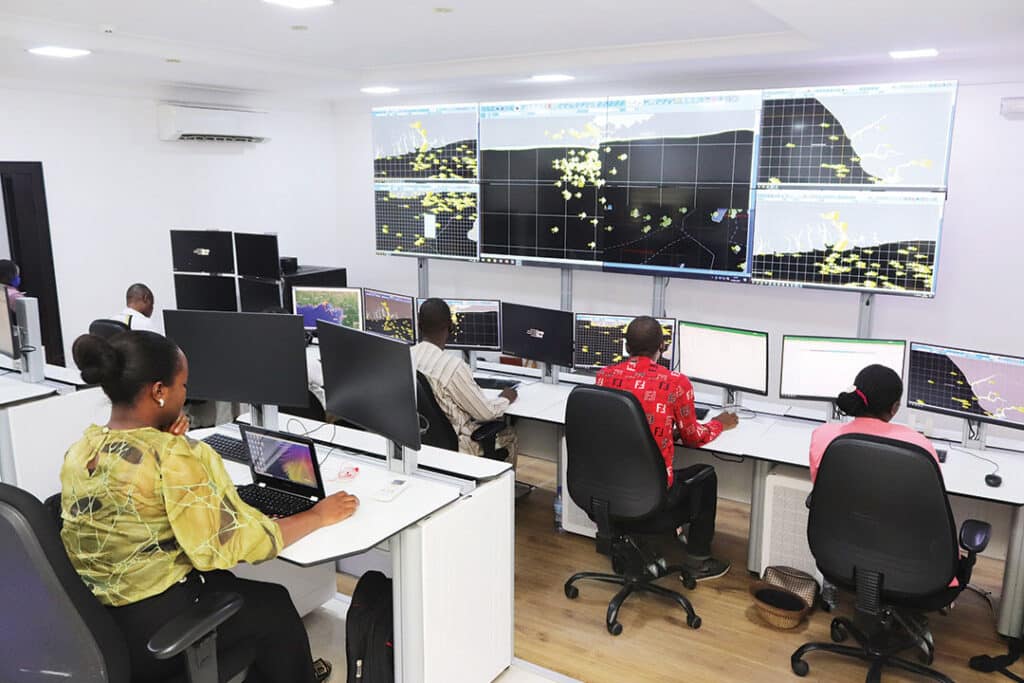
As analyst Ifesinachi Okafor-Yarwood pointed out, Nigeria exemplifies how technology can transform national security efforts. The country has emerged as a maritime security leader in West Africa, leveraging sophisticated tools to combat threats such as piracy and illegal fishing. Among these tools is the Falcon Eye system, which employs a comprehensive network of radars, electro-optic systems, and cameras to monitor vessel movements. Additionally, the Deep Blue Project enhances Nigeria’s maritime capabilities with a fleet of 19 ships, unmanned aerial vehicles, and a command center dedicated to data collection and incident response.
These systems have significantly contributed to Nigeria’s success in reducing piracy incidents, leading to a notable delisting from a piracy hotspot roster in 2022.
Collaborative Efforts and Regional Support
While Nigeria has the resources to fund its own MDA initiatives, many African nations do not. This is where regional systems like YARIS play a crucial role. These cooperative frameworks enable countries to collaborate and address their individual maritime challenges. Yet, these systems face sustainability issues and trust-building hurdles with shipping entities. Sam Megwa, a former shipping executive, emphasizes the importance of fostering cooperation, asserting that a secure maritime environment benefits all stakeholders.
The Struggle Against ‘Sea Blindness’
Africa’s coastal countries manage a staggering 48,100 kilometers of coastline and more than 100 ports, but many have struggled with “sea blindness”—the inability to effectively patrol these expansive areas. Researchers note that this condition has led to decades of maritime challenges, including piracy and human trafficking.
However, advancements in technology are changing the landscape. Government investment in internet-based, land-based, and space-based systems is revolutionizing how countries perceive and respond to activities in their territorial waters. The evolution of MDA is closely tied to these technological innovations, enhancing surveillance and maritime security efforts.
Cutting-Edge MDA Tools in Use
Several MDA tools are available to African nations, including:
-
SeaVision: An accessible tool requiring only an internet connection that tracks commercial vessels globally.
-
Radar Systems: Low-cost, land-based units that can operate in adverse weather, providing localized monitoring of vessels.
-
Satellite Imagery: Although capable of covering vast territories, they often lack the resolution necessary for identifying smaller vessels.
-
Skylight: A system using a combination of satellite images and AIS data, focusing particularly on illegal fishing activities.
-
Synthetic-aperture Radar: This advanced technology provides higher-resolution images and can track vessels that disable their AIS transponders.
-
Vessel Infrared Imaging Radiometer Suite: This relies on detecting the light emitted by vessels, particularly effective against illegal fishing practices.
Despite the proliferation of these technologies, the absence of structured coordination among nations often undermines their effectiveness.
Building Trust in Maritime Operations
Effective maritime security hinges not only on technology but also on trust and collaboration among countries. Many nations struggle to establish confidence with commercial shipping operators. In instances of suspected piracy, ships frequently seek help from external entities like the International Maritime Bureau rather than the regional information centers established by YARIS and the Djibouti Code of Conduct.
This mistrust further complicates the effectiveness of regional MDA systems. Megwa highlights the necessity of prompt reporting to local authorities, stating that doing so provides the best chances of a swift and effective response to distress calls.
Challenges for the Future
While collaborative initiatives can help overcome certain challenges, hurdles remain. The priority given to land-based issues like insurgency often diverts attention from maritime concerns. Regional frameworks like YARIS serve as essential tools in tackling maritime crime but require ongoing support for sustainability.
The Djibouti Code of Conduct, since its inception in 2008, has become a framework for curbing piracy in the Indian Ocean region. Its 20 signatories have made significant strides in reducing piracy-related threats, demonstrating the power of collective action.
Ongoing Maritime Threats
Despite achievements in reducing piracy, African nations still confront other maritime challenges. Drug trafficking has increasingly routed through the continent, posing threats to regional stability. The interplay between terrorism and drug transport further complicates the scenario, as evidenced by intercepted weapons intended for terrorist groups.
Island nations in the Indian Ocean collaborate in monitoring vast oceanic territories due to their geographic realities. Madagascar’s information fusion centers, for instance, have been pivotal in coordinating regional MDA efforts.
Future Directions for Maritime Security Initiatives
Going forward, continued investment in maritime security technologies and collaborative frameworks will be vital. YARIS’s reliance on European Union funding limits its long-term sustainability, prompting discussions around diversifying financial support.
Human capital also remains a critical issue, as many nations lack the trained personnel necessary to effectively operate and manage MDA systems. To make significant progress, a concerted effort is needed to enhance the capacity and readiness of regional stakeholders.
By focusing resources and attention on maritime security, African nations can address the multitude of challenges facing their waters, ensuring they are better prepared for the future. As Okafor-Yarwood articulates, effective maritime security technologies are only as good as the strategic decisions underpinning them.