


The Tragic Death of Alex Pretti: A Community in Mourning
The recent fatal shooting of Alex Pretti by a federal agent in Minneapolis has sent shockwaves through the community and sparked intense debates about federal immigration policies and community safety. Pretti, a dedicated ICU nurse at a US Department of Veterans Affairs hospital, was more than just a victim; he symbolized the intersection of healthcare, immigration enforcement, and community relations.
AFL-CIO’s Reaction
The AFL-CIO, a powerful coalition representing nearly 15 million workers, quickly condemned Pretti’s death as “senseless.” They articulated their outrage with a powerful statement, urging an end to what they described as the Trump administration’s horrifying operations that are inciting violence and chaos within communities across the nation.
“As tens of thousands of Minnesotans made clear peacefully and powerfully yesterday, this must end,” stated the labor group. They demanded that federal agencies like ICE exit Minnesota immediately to prevent further tragedies. Their request underscores the growing frustration among labor leaders regarding the administration’s aggressive tactics.
The Circumstances Surrounding the Shooting
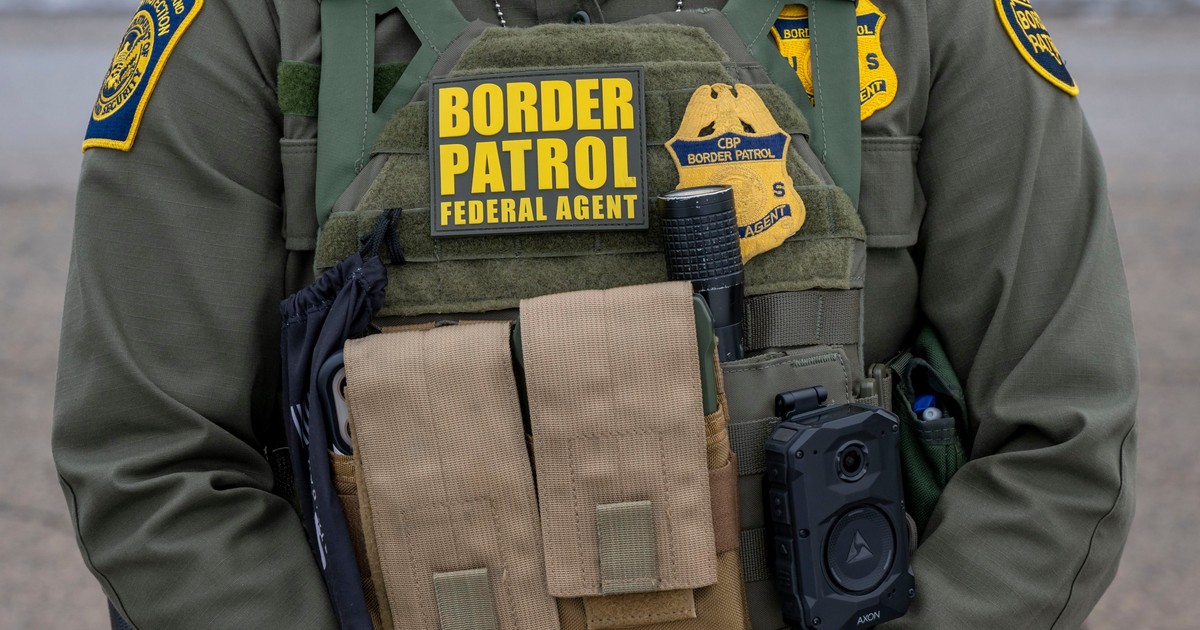
On the day of the incident, Pretti was reportedly filming federal agents during an immigration enforcement operation, part of the controversial Operation Metro Surge, launched by the Department of Homeland Security (DHS). The DHS claimed that Pretti approached agents while carrying a 9 mm handgun, and despite their attempts to disarm him, he allegedly resisted. However, witness accounts and multiple videos contradict this narrative, showing that he was subdued before being shot.
Minneapolis police confirmed that Pretti was a US citizen and had a permit for his firearm, raising questions about the appropriateness of the actions taken by federal agents. The circumstances surrounding his death have left many community members demanding accountability and transparency.
Protests and Community Response
The outrage that followed Pretti’s death was palpable. Local residents and business owners voiced their grievances against the methods employed by federal agents to detain individuals suspected of being in the country illegally. Protests erupted across Minnesota, fueled by a similar incident a week prior, where ICE shot and killed another American citizen, Renee Good. The escalation of violence has turned the spotlight on Operation Metro Surge, turning public opinion against the militarization of immigration enforcement.
In the aftermath, Minnesota’s most influential CEOs—including leaders from Target, Cargill, and UnitedHealth—also issued a call for “immediate de-escalation” in response to the federal operations permeating the state. Their collective voice highlights the corporate sector’s concern for community safety and the societal implications of governmental policies.
Calls for Investigation
A growing number of voices within the community are now calling for a thorough investigation into the recent shootings. Bernie Burnham, President of the Minnesota AFL-CIO, emphasized the need for fairness and accountability. He articulated his belief that operations like Metro Surge are not purely about immigration enforcement but reflect a punitive approach taken by the administration against a state that has openly disagreed with its policies.
The American Federation of Government Employees (AFGE), which includes Pretti as a member due to his employment with the VA hospital, also criticized the administration. AFGE National President Everett Kelley remarked that Pretti’s tragic death is symptomatic of a broader issue involving reckless policies and inflammatory rhetoric that compound existing tensions.
The Broader Context of Immigration Enforcement
The implications of Pretti’s death extend beyond individual tragedy. It reignites the debate surrounding the federal government’s approach to immigration enforcement, which many see as excessively aggressive and dangerous. The escalation in the deployment of federal agents raises alarming questions about community safety, public perception of law enforcement, and the ethical considerations that must guide immigration policies.
As fear ripples through neighborhoods due to the presence of armed federal agents, residents find themselves navigating a landscape where a simple confrontation can turn deadly. This unsettling atmosphere fosters unease and division within communities already marked by complexity and diversity.
Community Solidarity and Resilience
In a time of grief and anger, Kelley urged community members to remain disciplined and measured in their responses. He emphasized that anger should be channeled into advocacy for accountability rather than chaos. The calls for justice echo loudly in Minnesota, where many are committed to ensuring that Pretti’s death serves as a catalyst for meaningful change rather than another statistic in a long line of tragedies related to federal enforcement actions.
Looking Ahead
With the community in mourning and tensions on the rise, the need for constructive dialogue surrounding immigration and law enforcement has never been more urgent. Alex Pretti’s untimely death has catalyzed a movement that advocates not only for justice but also for a re-evaluation of how immigration policies are enforced, and the human cost they entail.