


Philippine Bonds: A Bright Spot in the Asian Market
Attractive Yields Amidst a Shifting Landscape
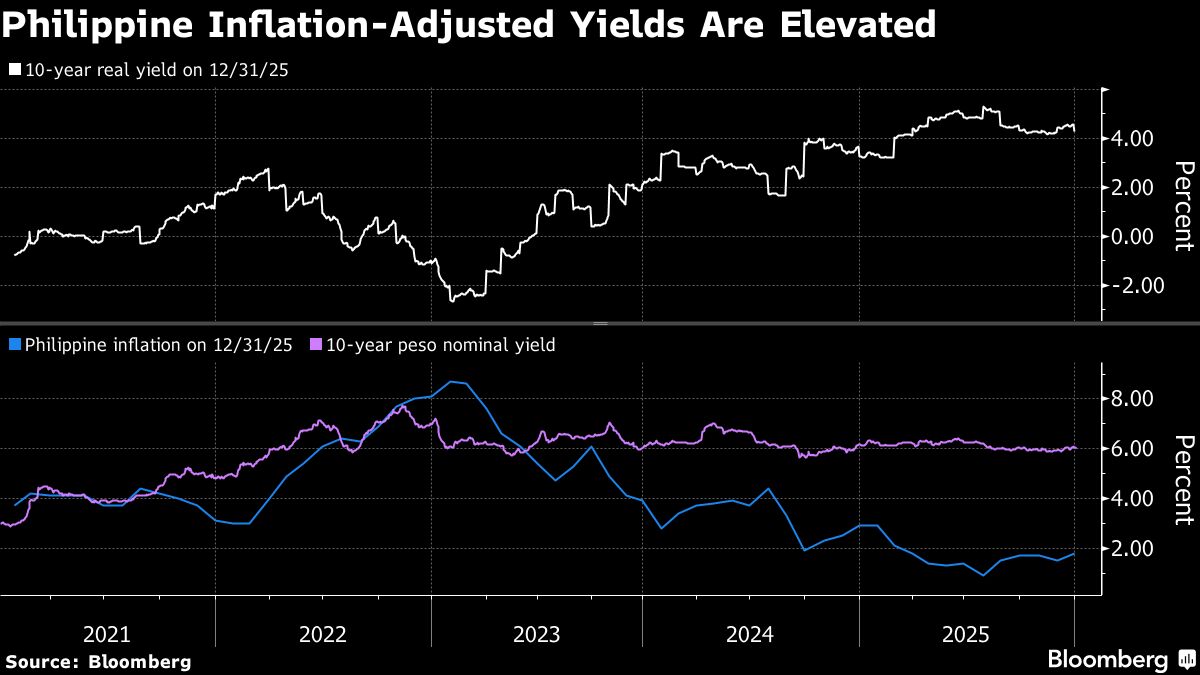
As we approach early 2026, Philippine bonds are garnering significant attention in the Southeast Asian financial landscape. Investors are drawn to the attractive yields they offer, which stand out amidst a backdrop of fluctuating interest rates and varying economic conditions across the region. This situation creates a compelling investment opportunity for those looking to optimize their portfolios with stable returns.
The Interest Rate Dynamic
One of the key factors influencing the appeal of Philippine bonds is the prospect of interest rate cuts. In recent months, central banks worldwide have adopted more dovish stances, aiming to stimulate economic growth in the face of potential downturns. If the Bangko Sentral ng Pilipinas (BSP) follows suit and reduces rates, the value of existing bonds—especially those with higher yields—could jump significantly. This scenario presents a dual advantage: existing investors would benefit from capital appreciation, while new investors might enjoy additional incentives to enter the market.
Comparative Performance with Asian Peers
Philippine bonds are uniquely positioned compared to their Asian counterparts. Many of the region’s economies are grappling with varying levels of debt and uncertain growth trajectories. In contrast, the Philippines boasts a robust economic outlook bolstered by strong domestic consumption and remittances. This economic foundation provides a buffer that enhances the attractiveness of its bonds as safe-haven investments.
Risk Factors to Consider
While the prospects for Philippine bonds appear bright, investors must also be aware of the various risks associated with them. Economic volatility, external shocks such as geopolitical tensions, and domestic policy changes can affect bond performance. Moreover, investors should monitor inflation trends, as rising prices can erode real yields, diminishing the attractiveness of fixed-income investments. Awareness of these factors is essential for making informed investment decisions.
Investor Sentiment and Market Activity
The sentiment surrounding Philippine bonds is generally optimistic among investors. The consistent flow of capital into the bond market reflects a strong belief in the country’s economic resilience and the potential for long-term growth. Market activity has intensified as institutions and individual investors alike position themselves advantageously for the anticipated interest rate cuts, stimulating demand for these debt instruments.
Global Context and Emerging Markets
The Philippine bond market also benefits from the broader context of emerging market investments. As global bond yields face pressures from varied monetary policies, many investors seek opportunities in markets that offer both yield and stability. The Philippines, with its favorable economic prospects, becomes an attractive candidate in this space. Comparatively, emerging markets that fail to demonstrate robust growth or face significant political risks may deter investors looking for safe investments, placing Philippine bonds in a favorable light.
Conclusion
Investing in bonds often requires a nuanced understanding of economic indicators and market sentiment. As the Philippine bond market continues to evolve, the interplay between yields, interest rate dynamics, and broader economic factors will remain crucial in guiding investment strategies. Whether seeking growth, income generation, or risk mitigation, Philippine bonds present a compelling opportunity in the Asian financial arena as we look towards 2026.