


Chicago P.D. Episode Recap: “Heroes”
A Deep Dive into Episode 9’s Emotional Impact
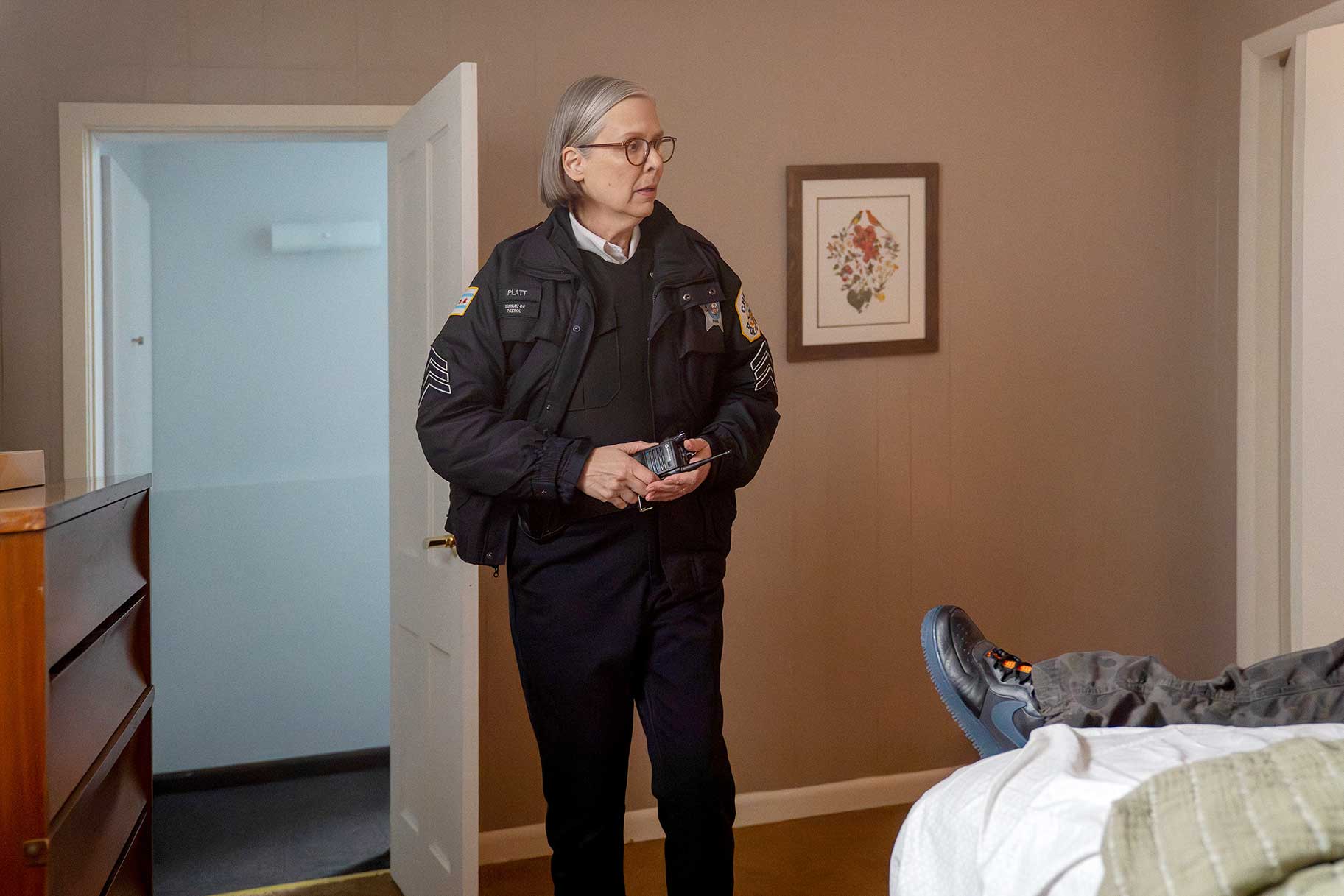
The January 14 episode of Chicago P.D., titled “Heroes,” showcases a storyline that resonates deeply with fans and audiences alike, particularly surrounding the topic of mental health within law enforcement. Viewers witnessed Intelligence Unit favorite Trudy Platt, portrayed by Amy Morton, go through an unspeakable tragedy that highlights the unsettling reality of suicide among police officers.
Platt’s heart-wrenching journey begins as she reconnects with a former recruit, narcotics officer Robbie McKay, to assist in taking down a notorious gang leader. However, when McKay fails to make an appearance at the critical raid they planned together, Platt performs a wellness check, only to discover McKay’s lifeless body with a gunshot wound.
The Depth of Grief
The initial investigation by homicide detectives swiftly categorizes McKay’s death as a suicide. This ruling leaves Platt shattered, grappling with both confusion and a sense of betrayal. As she strives to turn the investigation into a homicide case, the evidence seems to reinforce the narrative of suicide, forcing Platt to confront her own assumptions and fears.
Jason Beghe, who plays Detective Hank Voight, supports Platt in her pursuit of truth. However, as more evidence surfaces, it becomes increasingly challenging to dismiss the suicide narrative, further complicating Platt’s emotional turmoil.
Real-Life Inspirations
Morton shared insights with NBC Insider about the significance of this episode, emphasizing its human element. “It just was not a hard episode for me to get close to because it’s so human,” she noted. The show is often commended for addressing real-world issues, and in this instance, it delivers a searing representation of the struggle against mental health stigma—especially among those tasked with protecting others.
The episode’s plot had roots in real-life experiences. Brian Luce, a producer for Chicago P.D., drew upon his own painful experiences as a Chicago police officer who was blindsided by the suicide of a colleague. This connection helped anchor the episode in authenticity, giving it a depth that could resonate with audiences who may see parallels in their own lives.
An Epidemic
The statistics surrounding law enforcement suicides are staggering. According to a U.S. Justice Department report, the suicide rate among Chicago police officers is alarmingly higher than the national average, with 31 CPD employees taking their own lives between 2016 and 2023. This reflects a broader national crisis, where a report indicates that 1,287 public safety personnel have died by suicide over a six-year span. Officers are found to be 54% more likely to succumb to suicide than individuals in other professions.
The Painful Discoveries
As the episode progresses, Platt’s determination to uncover the truth leads her down a harrowing path. Detective Kim Burgess, played by Marina Squerciati, offers her a more grounded perspective, suggesting they look for evidence that would indicate McKay’s struggles. In a pivotal moment, Burgess finds a video message on McKay’s cell phone, revealing that he had been battling intense emotional pain and ultimately planned to end his life, trapped under the weight of PTSD.
When Burgess shares this devastating finding, it shatters Platt, a seasoned officer who missed the warning signs. Burgess reminds her that the signs of distress can be incredibly subtle, pointing to the deeply human struggle that every individual may face.
Navigating Accepting the Truth
Despite the devastating revelations, the episode does not shy away from shedding light on the lingering impact of McKay’s legacy. Burgess reassures Platt that McKay’s contributions as a good officer will not be forgotten. This emotional exchange serves as a reminder of the critical conversations that need to happen around mental health in law enforcement.
The Weight of Responsibility
In the closing moments of the episode, Platt visits McKay’s family to share the grim details of his death. This task, though heart-wrenching, is handled with respect and dignity, showcasing the importance of compassion in times of grief. Morton reflected on the writing, stating, “It was relatable and poignant,” underlining the episode’s dedication to telling a genuine and urgent story.
Through “Heroes,” Chicago P.D. invites viewers to engage with the difficult discourse around mental health in the police force. By drawing on real-life experiences and statistics, the series not only honors those who have suffered but also encourages understanding and support in confronting this epidemic.
Resources and Support
If you or someone you know is in need of help, resources exist. You can call or text 988 for immediate support or visit 988lifeline.org for free, confidential help 24/7.
The episode “Heroes” stands as a testament to the complexities of human emotions in the face of tragedy, inviting audiences to reflect on the ongoing conversations surrounding mental health, not just in law enforcement but in society as a whole.